3 Vessels Struck in Strait of Hormuz After Iran Warns Ships of U.S., Israel and Allies Are «Legitimate Targets»


/https%3A%2F%2Fcdn-tor.buminteractif.com%2F2026%2F03%2F11145815%2Ftrump-iran-war-4534534545354.jpg)
Tensions in the Strait of Hormuz intensified after at least three commercial vessels were struck by projectiles in and around the critical maritime corridor, raising fears that the Iran war is expanding to global shipping routes. Maritime security agencies reported that a cargo vessel near Oman, a bulk carrier north of Dubai and a container ship near Ras al-Khaimah were hit in separate incidents. The attacks occurred as hostilities between Iran, the United States and Israel continue to escalate following U.S. and Israeli strikes on Iranian targets. Shipping companies have begun diverting vessels away from the narrow waterway as the threat environment worsens and the risk of further attacks grows.
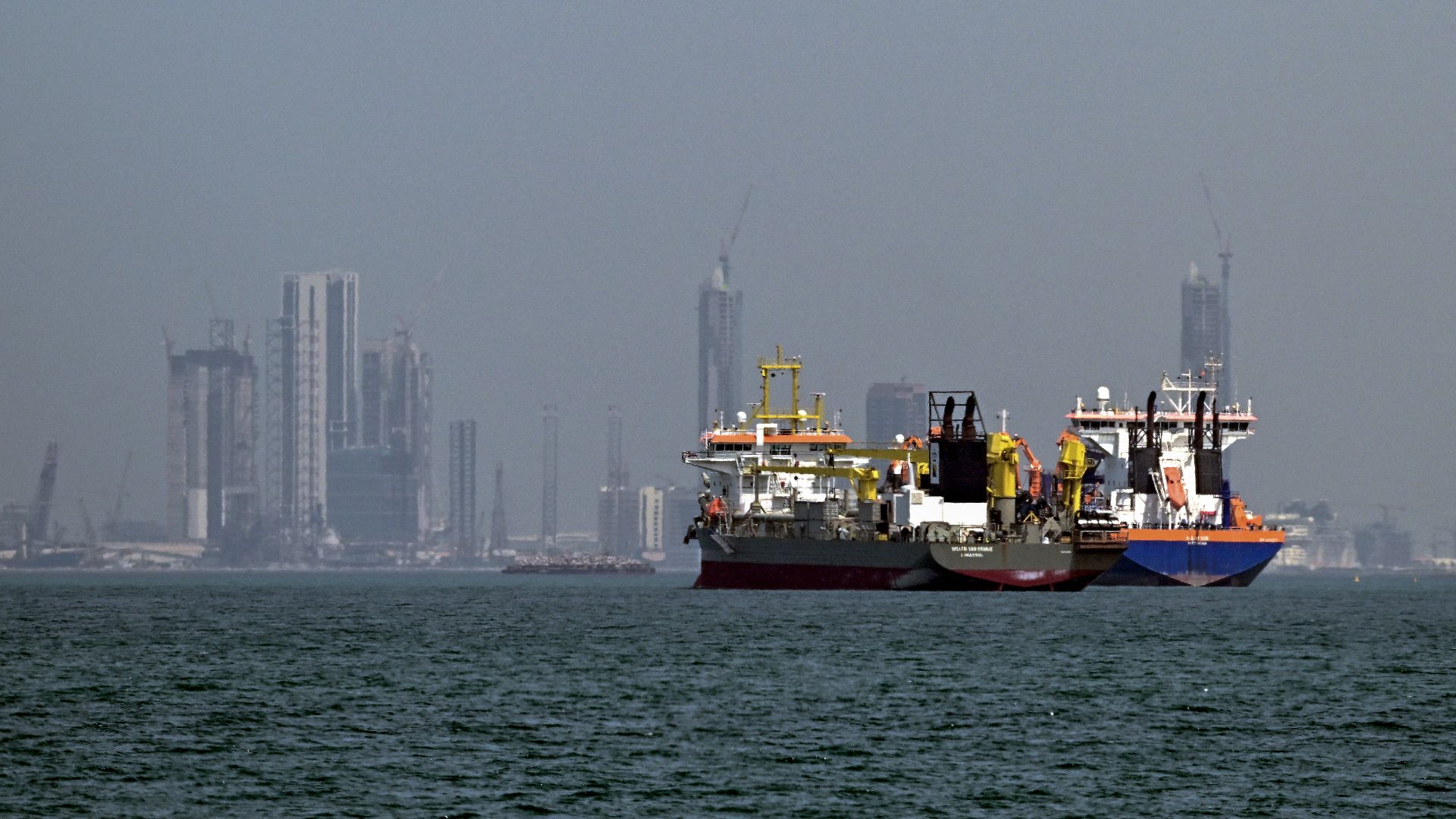
Iran's military leadership issued a direct warning to international shipping shortly before the incidents. In a statement carried by Iranian state television, the armed forces' central operational command Khatam Al-Anbiya declared: «Any vessel whose oil cargo or the vessel itself belongs to the United States, the Zionist regime or their hostile allies will be considered legitimate targets». The statement also warned that Iran's armed forces «will not allow a single litre of oil to transit» through the strait while the conflict continues. The announcement marked one of the clearest threats yet that Tehran could target energy shipments moving through the strategic channel linking the Persian Gulf to the global market.

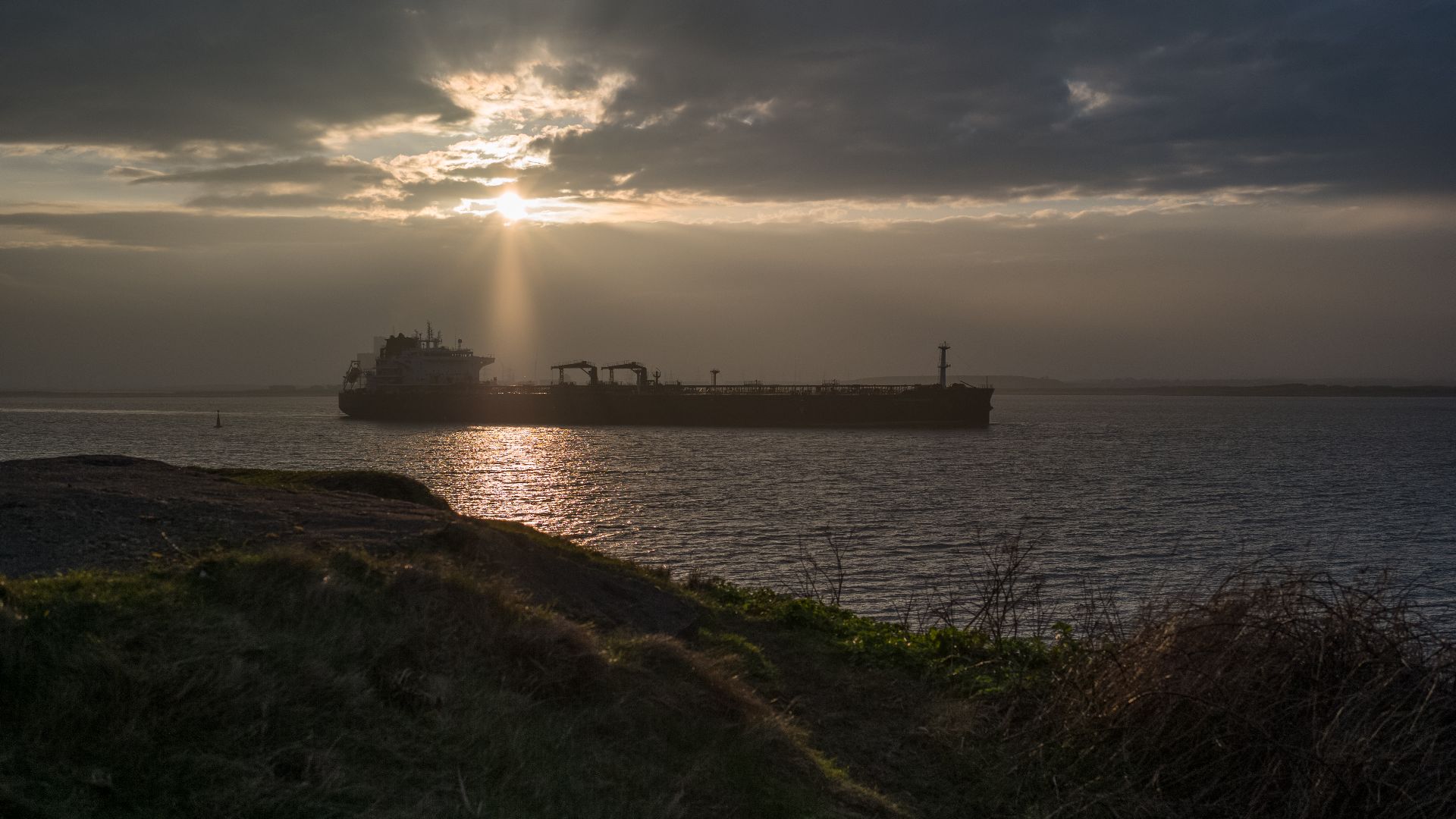
The Strait of Hormuz is one of the world's most critical maritime choke points, carrying roughly a fifth of global oil shipments each day and connecting major Gulf exporters to international markets. In normal conditions, around 20 million barrels of crude pass through the narrow corridor daily, making it a vital artery for the global energy system. Even small disruptions in the strait can rapidly ripple through financial markets and global supply chains. Since the war began, oil prices have surged and shipping companies have begun rerouting vessels, with insurers raising premiums or withdrawing coverage entirely for ships entering the region.
«Any vessel whose oil cargo or the vessel itself belongs to the United States, the Zionist regime or their hostile allies will be considered legitimate targets».
-Iran central operational command, Khatam Al-Anbiya
The crisis erupted after the United States and Israel launched large-scale strikes on Iranian military infrastructure, triggering retaliation across the Middle East. Iranian forces responded with missile and drone attacks targeting U.S. military installations, Israeli territory and infrastructure in several Gulf states. Washington has also intensified its naval operations in the region as tensions rose in the Gulf. U.S. officials say the military presence aims to deter further attacks on international shipping and maintain open passage through the waterway as the conflict continues to widen.
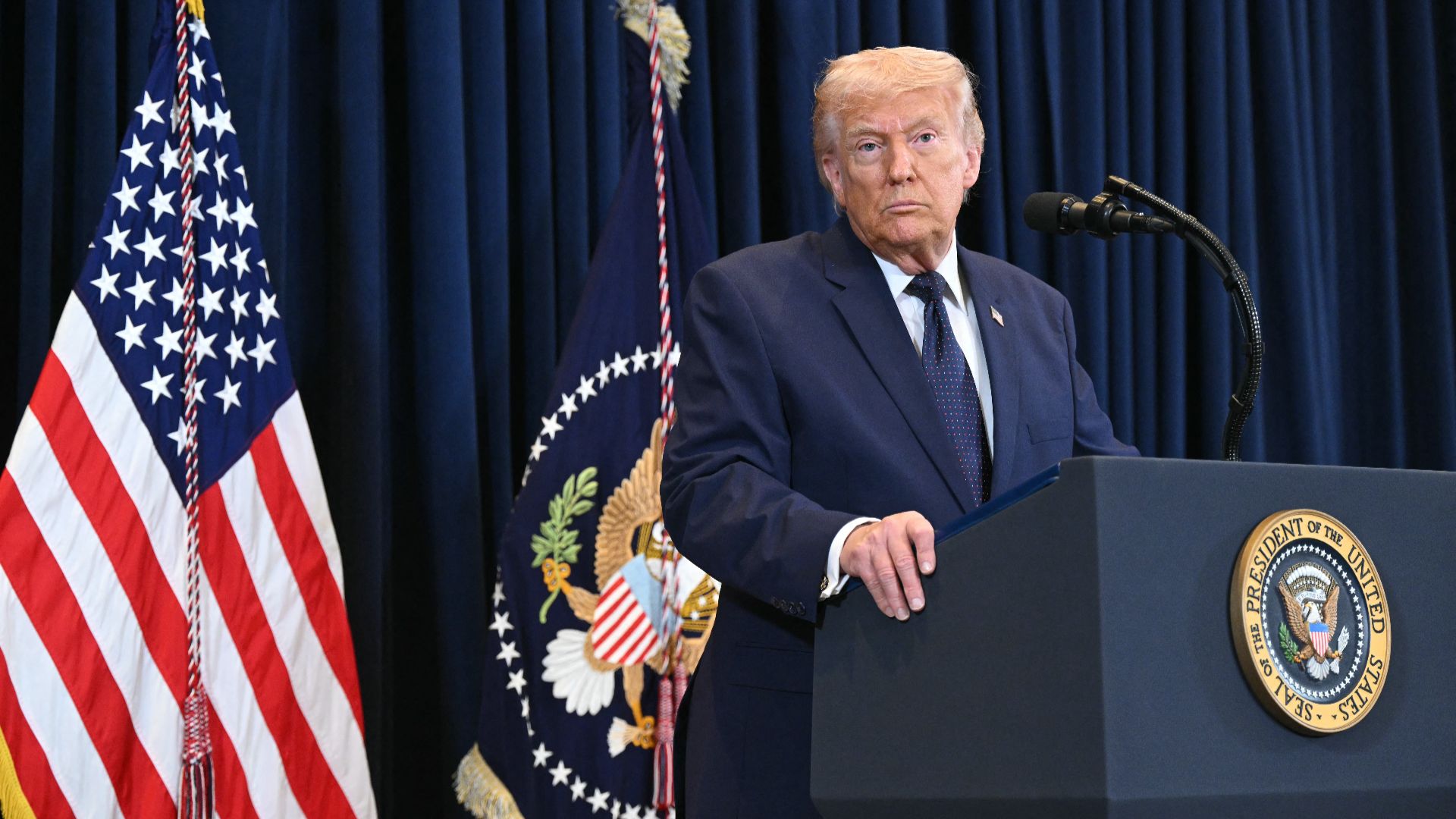
The Trump administration has warned that it will continue military operations to keep the strategic shipping lane open. U.S. officials say protecting freedom of navigation through the strait remains a priority for American forces deployed in the region. At the same time, Washington has moved to stabilize global energy markets after oil prices surged in response to the attacks and threats against shipping. Officials said the United States and its partners are prepared to release oil from strategic petroleum reserves if necessary to offset supply disruptions and limit price spikes triggered by the escalating war.

Allies of the United States have expressed concern about the economic consequences of the confrontation and the possibility that commercial traffic could be severely disrupted. Governments in Europe and Asia have urged shipping companies to exercise caution when operating near the strait as the security situation deteriorates. Analysts warn that any prolonged disruption in the corridor could have major consequences for global energy markets and trade flows. With several vessels already damaged and insurance costs rising sharply, the crisis in the Strait of Hormuz is now threatening one of the most important energy routes in the world.
Created by humans, assisted by AI.
