Iran Floats $2M Fee for Strait of Hormuz Transit as Trump Brags “Big Money Will Be Made”


/https%3A%2F%2Fcdn-tor.buminteractif.com%2F2026%2F04%2F08161010%2Firan-strait-trump-gerrty342343423gsdf3.jpg)
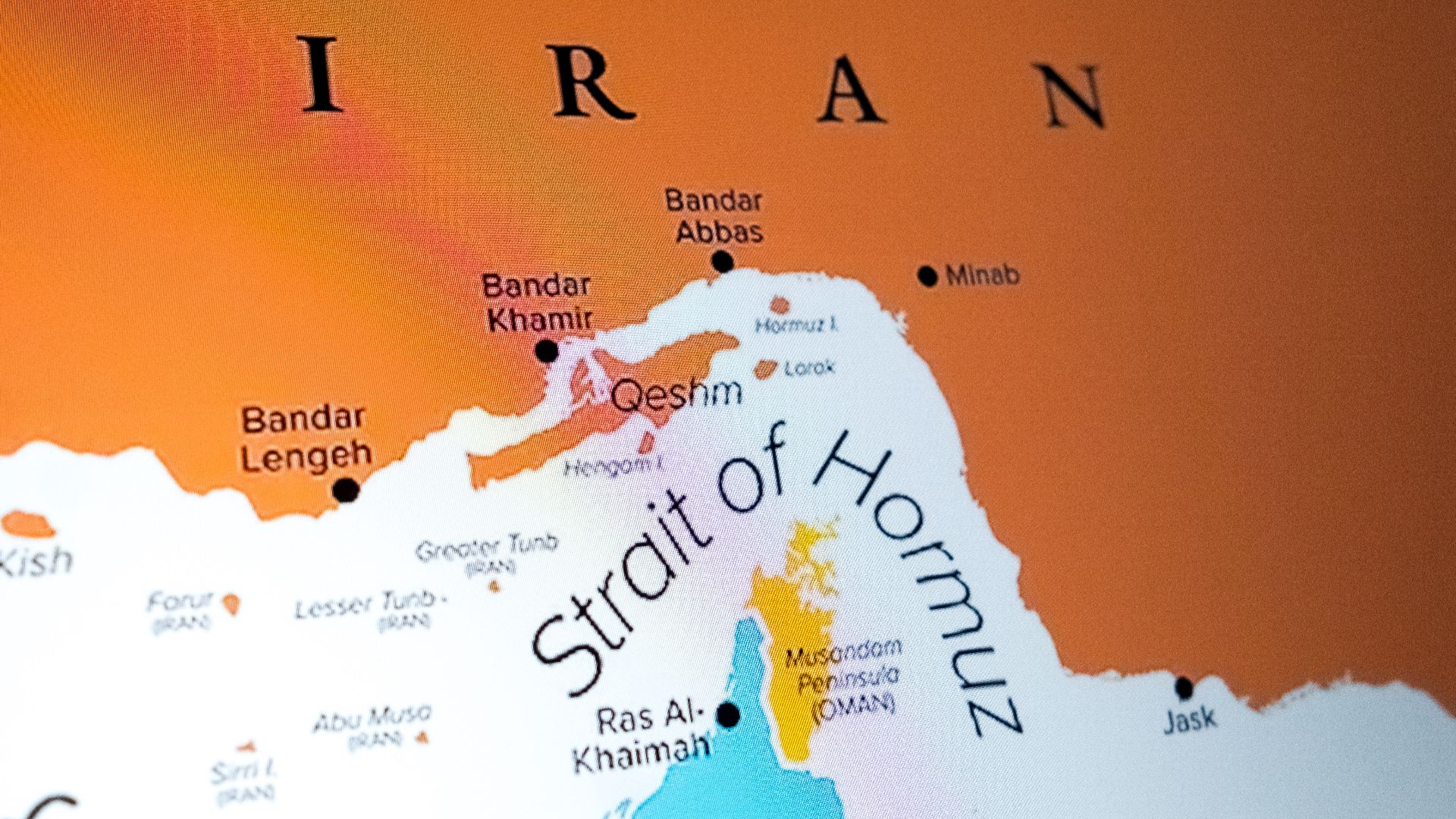
The announcement of a ceasefire agreement between the United States and Iran introduced a new and unexpected economic dimension, as early details suggested Tehran could impose a $2 million fee on vessels transiting the Strait of Hormuz. The strategic waterway, through which roughly a fifth of global oil supply passes, has long been a focal point of geopolitical tension. According to initial reports circulating among regional officials and analysts, the proposed fee would be tied to the broader ceasefire framework, potentially serving as both a revenue mechanism for Iran and a form of controlled maritime oversight following recent military escalations.
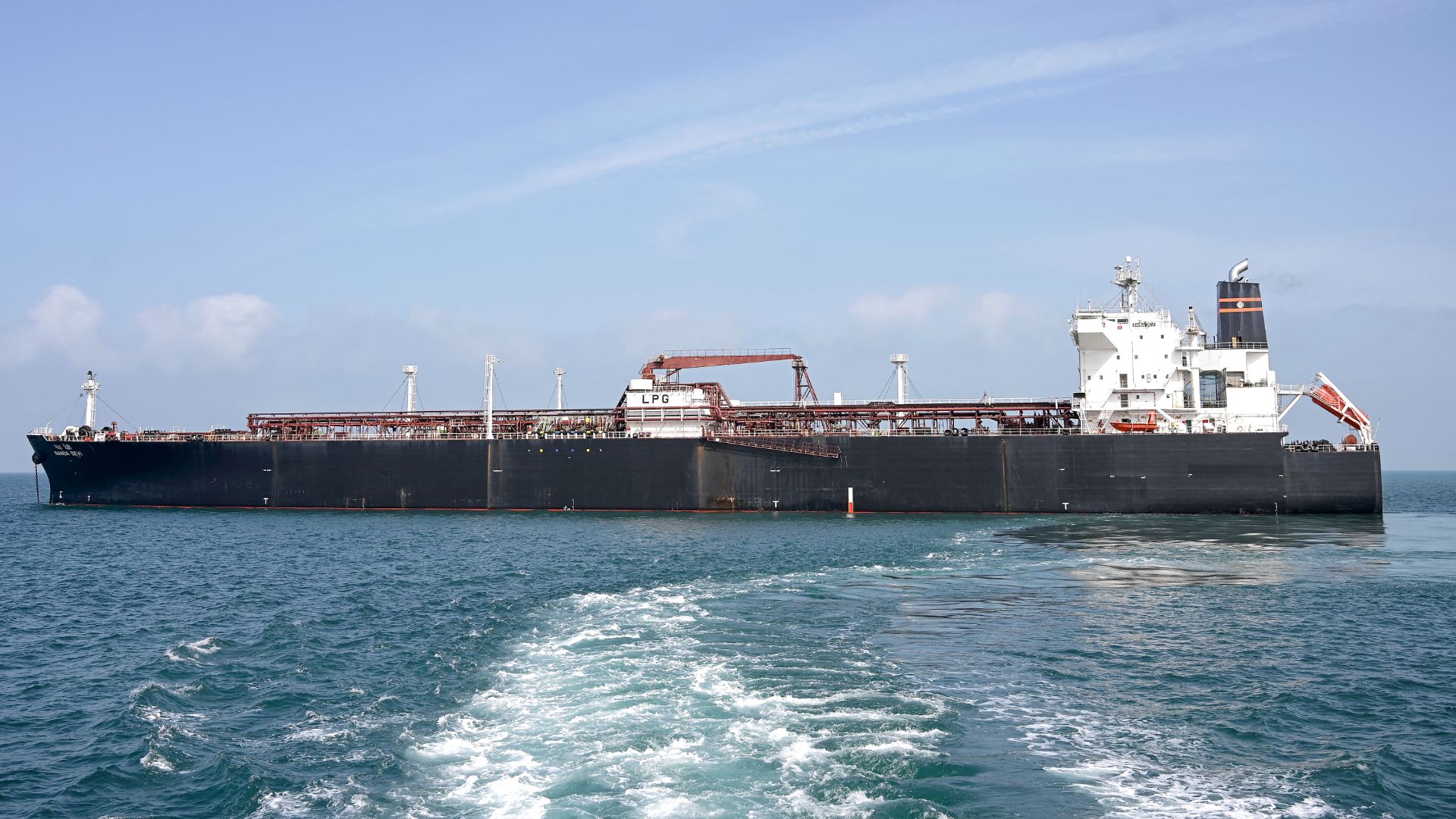
The $2 million figure, which has not yet been formalized in a publicly released agreement, was reportedly discussed in preliminary ceasefire terms communicated through diplomatic backchannels involving U.S. and regional intermediaries. Iranian officials have not issued a detailed public statement confirming the exact structure of the fee, but sources familiar with the discussions indicate that the proposal would apply per vessel crossing the Strait of Hormuz. Maritime analysts noted that such a move would represent a significant departure from international norms governing freedom of navigation, raising immediate concerns among global shipping companies and energy markets already sensitive to disruptions in the region.
«Just like we are experiencing in the U.S., this could be the Golden Age of the Middle East!!!»
-U.S. President, Donald Trump on Truth Social
Donald Trump addressed the evolving situation in a post on Truth Social, framing the ceasefire and related developments as a major geopolitical and economic opportunity. He opened his message by writing: «A big day for World Peace! Iran wants it to happen, they've had enough! Likewise, so has everyone else!». The statement positioned the agreement as a mutually desired outcome following heightened tensions, although Iranian leadership has not publicly echoed this characterization. Diplomats observing the negotiations have instead described the ceasefire as a cautious step toward de-escalation, shaped by competing strategic interests rather than a unified narrative of exhaustion or consensus.
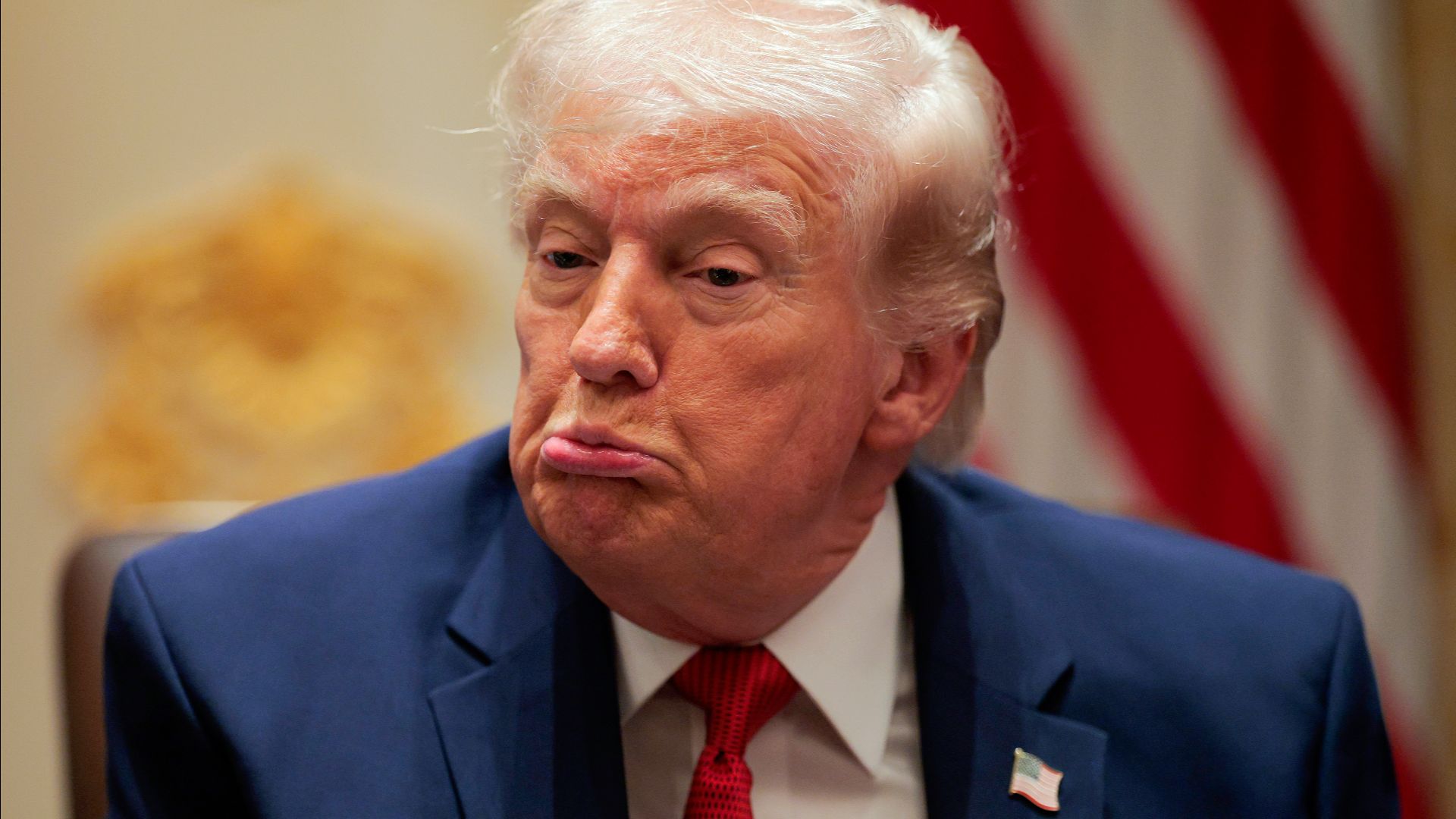
Trump then turned to the operational and economic aspects of the Strait of Hormuz, stating: «The United States of America will be helping with the traffic buildup in the Strait of Hormuz. There will be lots of positive action! Big money will be made.». His reference to “traffic buildup” appeared to acknowledge congestion and heightened security measures affecting maritime transit in the region. The phrase «Big money will be made.» drew particular attention, as it seemed to align with reports of Iran's proposed $2 million transit fee. However, no official U.S. policy document has confirmed direct American involvement in administering or benefiting from such charges.
The president continued by linking the ceasefire to broader reconstruction and logistical efforts, writing: «Iran can start the reconstruction process. We'll be loading up with supplies of all kinds, and just “hangin' around” in order to make sure that everything goes well. I feel confident that it will.». The remarks suggested a potential U.S. role in post-conflict stabilization, though details remain unclear. Humanitarian organizations and regional experts have emphasized that any reconstruction effort would require coordinated international support and clear agreements on access, funding, and oversight, none of which have been formally outlined in connection with the ceasefire at this stage.
«The United States of America will be helping with the traffic buildup in the Strait of Hormuz. There will be lots of positive action! Big money will be made.»
-U.S. President, Donald Trump on Truth Social
In the closing section of his post, Trump projected a broader regional transformation, stating: «Just like we are experiencing in the U.S., this could be the Golden Age of the Middle East!!!». While the statement underscored an optimistic outlook, the situation on the ground remains complex and uncertain. The proposed $2 million fee, if implemented, could have far-reaching implications for global trade, energy prices, and maritime law. As negotiations continue and details emerge, the ceasefire stands as both a diplomatic breakthrough and a test of whether economic measures tied to strategic chokepoints can coexist with international norms and regional stability.
Created by humans, assisted by AI.
