42 U.S. Aircraft Worth Billions Destroyed or Damaged During Operation Epic Fury in Iran


/https%3A%2F%2Fcdn-tor.buminteractif.com%2F2026%2F05%2F21151156%2Fus-iran-pentagon-getty-34534gdf.jpg)
Operation Epic Fury Cost U.S. 42 Aircraft to be completely destroyed or damaged according to a new report from Congress. «On February 28, 2026, the United States, in coordination with Israel, initiated military operations against Iran under the designation Operation Epic Fury» wrote the report in the introduction to the document released online. «The conflict has involved air, maritime, and missile combat engagements across the Middle East.» The report added that «The pace of combat activity declined amid a ceasefire in April. Within weeks, some strikes resumed, and conditions remain fluid.» The Congressional Research Service assessment immediately drew attention in Washington because of the scale of the losses outlined in the document, which assembled information from Pentagon statements, U.S. Central Command releases and multiple published reports. Lawmakers reviewing the report raised concerns over the long-term impact on American airpower readiness, especially as tensions with Iran continue despite the temporary ceasefire reached earlier this year.
The congressional document also criticized the Department of Defense for failing to provide lawmakers with a full accounting of the losses linked to the operation. «The Department of Defense (DOD, which is “using a secondary Department of War designation,” under Executive Order 14347 dated September 5, 2025) has not published a comprehensive assessment of combat losses in OEF.» The wording was interpreted by several analysts in Washington as a direct criticism of Defense Secretary Pete Hegseth and Pentagon leadership over transparency surrounding the operation. The report stated that lawmakers were forced to rely on fragmented military statements, press reports and CENTCOM disclosures to piece together a broader picture of the campaign. Members of Congress have increasingly questioned whether the Pentagon deliberately minimized the scale of losses sustained during the conflict, particularly after repeated claims from administration officials that Operation Epic Fury had significantly degraded Iran's military capabilities while limiting American losses.
$29 billion
According to the report, the financial toll of the operation has escalated rapidly as repair and replacement costs continue to increase. «During a May 12, 2026, hearing, Acting Pentagon Comptroller Jules W. Hurst III testified that the department's cost estimate for military operations in Iran has increased to $29 billion: “A lot of that increase comes from having a refined estimate on repair or replacement costs for equipment.”» The figure includes combat aircraft, drones, refueling tankers and surveillance systems either destroyed or severely damaged during the campaign. The CRS document noted that the final total could eventually climb even higher because several investigations into aircraft incidents remain unresolved and additional operational expenses are still being calculated. Pentagon officials have reportedly begun discussing supplemental funding requests with congressional leaders as concerns grow over the pressure the conflict has placed on maintenance budgets, aircraft procurement programs and reserve inventories already strained by years of military commitments across the Middle East.
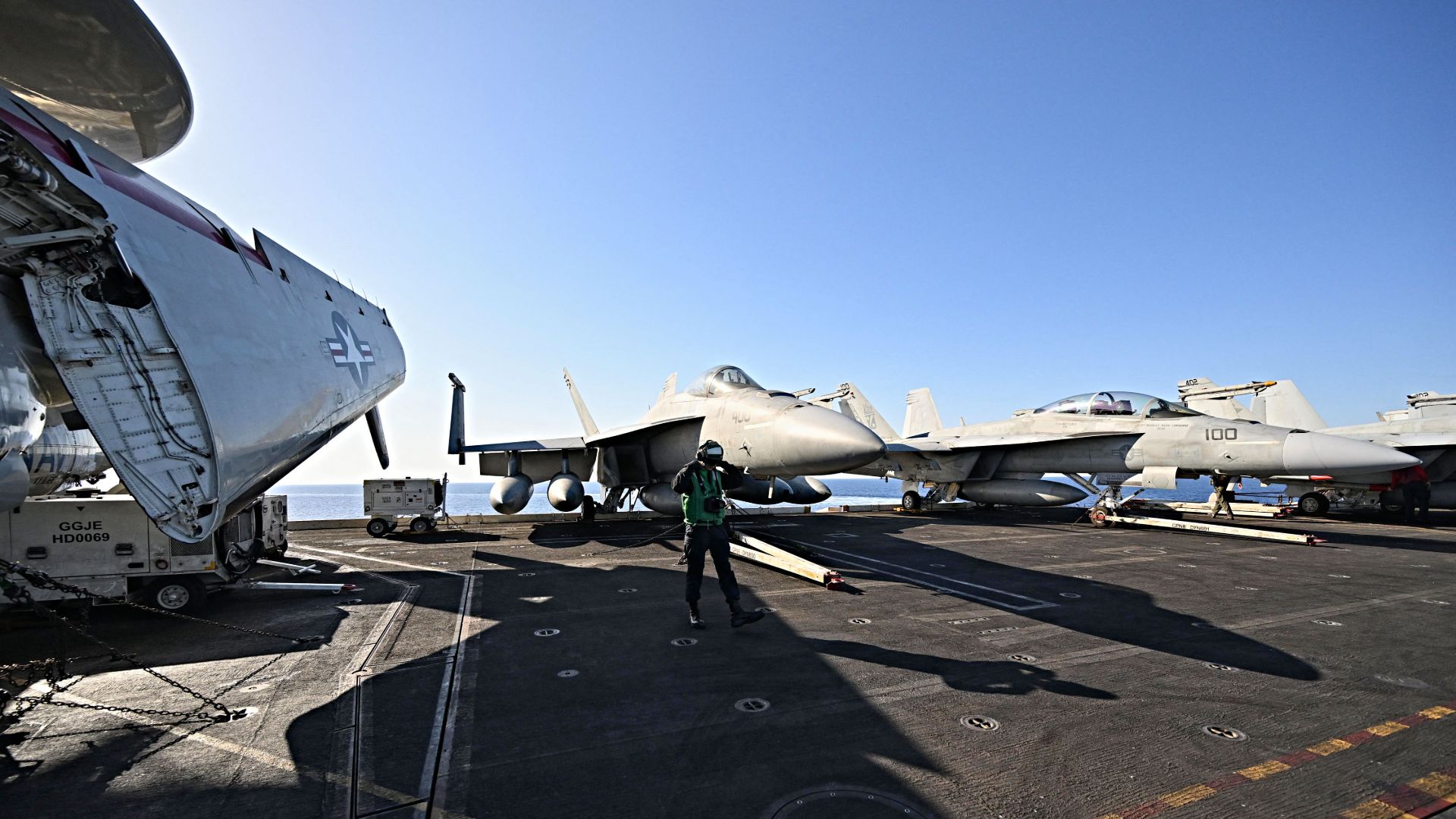
Congress assembled a detailed list of «42 fixed-wing or rotary-wing aircraft» reportedly destroyed or damaged during Operation Epic Fury using what the report described as «news reports and statements by DOD and U.S. Central Command (CENTCOM).» The aircraft losses outlined in the report included four F-15E Strike Eagle fighter aircraft, one F-35A Lightning II fighter aircraft, one A-10 Thunderbolt II ground-attack aircraft, seven KC-135 Stratotanker aerial refueling aircraft, one E-3 Sentry airborne early warning-and-control system aircraft, two MC-130J Commando II special operations aircraft, one HH-60W Jolly Green II combat search-and-rescue helicopter, twenty-four MQ-9 Reaper drones and one MQ-4C Triton surveillance drone. Several of the incidents reportedly occurred during high-risk combat rescue missions after American aircraft were hit over Iranian territory. Other aircraft were damaged during Iranian missile and drone attacks targeting American facilities across the region, including Prince Sultan Air Base in Saudi Arabia.
«During a May 12, 2026, hearing, Acting Pentagon Comptroller Jules W. Hurst III testified that the department's cost estimate for military operations in Iran has increased to $29 billion: “A lot of that increase comes from having a refined estimate on repair or replacement costs for equipment.”»
-Areport from Congress
Some of the incidents described in the report had already surfaced in earlier media investigations during the conflict. Stars and Stripes reported that a KC-135 refueling tanker crashed in Iraq during the war, killing all six crew members aboard, while another tanker involved in the same incident managed to perform an emergency landing. Business Insider also reported in March that an F-35A Lightning II made an emergency landing at a regional base after returning from combat operations over Iran. CENTCOM spokesperson Capt. Tim Hawkins stated at the time that the aircraft landed safely and that an investigation had been launched into what officials described as a possible combat-related incident. Other reports referenced in the congressional assessment alleged that three F-15E Strike Eagle aircraft were lost in a friendly fire incident involving Kuwaiti air defenses, although U.S. military officials have not publicly confirmed every detail surrounding those claims.

The growing list of losses has intensified debate in Washington over the strategic cost of Operation Epic Fury and the future of American military involvement in the region. CENTCOM commander Adm. Brad Cooper told lawmakers during testimony before the Senate Armed Services Committee that the operation severely weakened Iran's military infrastructure. «I would assess that the drone and missile force will take years to reconstitute,» Cooper testified. «[Iran's] navy likely will not get back to its previous size for a full generation.» Iranian officials, meanwhile, argued that the aircraft losses demonstrated the vulnerability of advanced American military systems during sustained combat operations. Iranian Foreign Minister Abbas Araghchi reacted to the congressional findings by claiming that Iran had become «the first country to shoot down an F-35 fighter jet.» While the Pentagon has not publicly confirmed that assertion, the congressional report has already fueled renewed political scrutiny over the real cost of the campaign and whether additional military escalation against Iran could place even greater strain on American forces in the months ahead.

Created by humans, assisted by AI.
