Dell Lands $10 Billion Contract Weeks After Trump’s $1 Million-to-$5 Million Stock Purchase


/https%3A%2F%2Fcdn-tor.buminteractif.com%2F2026%2F05%2F29154953%2Ftrump-dell-pentagon-getty-4353453.jpg)
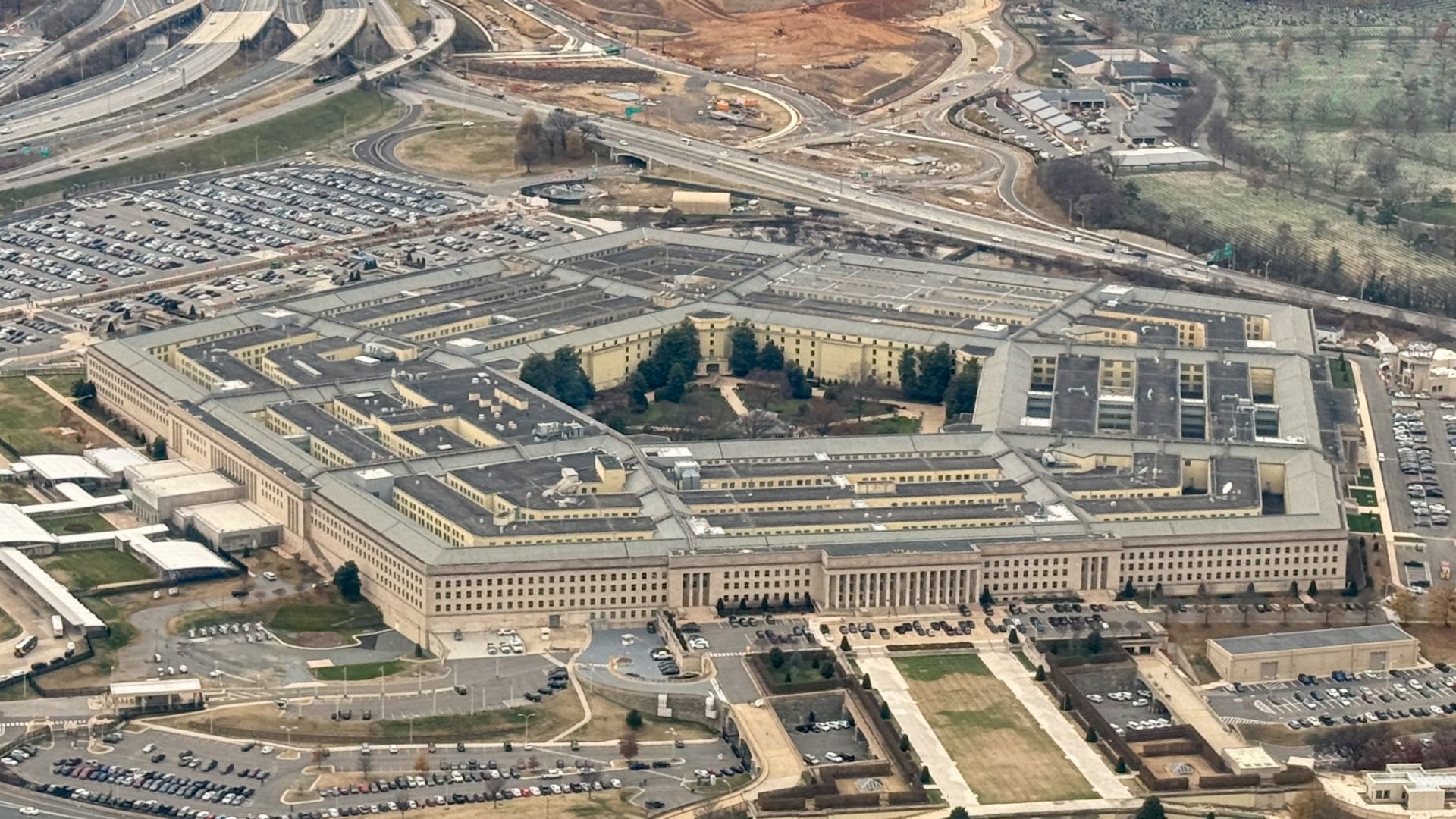
A massive Pentagon technology contract awarded to Dell Technologies has sparked controversy after it emerged that President Donald Trump recently acquired between $1 million and $5 million worth of the company's stock before the deal was announced. The Department of Defense, which the administration now refers to as the Department of War, confirmed that Dell Federal Systems received a contract worth approximately $9.69 billion to support software procurement across the military, intelligence agencies and the U.S. Coast Guard. The award quickly drew scrutiny because it came only weeks after Trump disclosed the investment and publicly praised the company. Critics have questioned whether the timing creates at least the appearance of a conflict of interest, even as administration officials insist the contract was awarded through standard procurement procedures.
The Dell investment was only one of thousands of trades disclosed by Trump earlier this year. Financial records show the president reported more than 3,600 transactions involving a wide range of companies, many of them among the largest technology firms in the United States. Several of those businesses either hold major federal contracts or stand to benefit from government spending initiatives. Ethics watchdogs argue that such extensive trading activity creates concerns when the president oversees an administration responsible for awarding contracts and shaping policies that can affect corporate valuations. The Dell transaction has attracted particular attention because it was followed by both a major federal award and public comments from Trump praising the company, creating a sequence of events that critics say warrants closer examination.
The White House has firmly rejected accusations that the president's personal investments influence government decisions. Administration officials maintain that all procurement processes follow established rules and that career officials, rather than political appointees, oversee major contract awards. Responding to criticism surrounding Trump's financial disclosures, White House spokeswoman Anna Kelly stated: «There are no conflicts of interest.» Kelly also said the president is acting «in the best interests of the American public.» Supporters of the administration argue that critics are attempting to politicize routine government contracting decisions and point out that Dell has been one of the federal government's largest technology suppliers for years. They contend the company's selection reflects its capabilities and existing relationships with federal agencies rather than any personal investment held by the president.
«So go out and buy a Dell. They're great.»
-U.S. President, Donald Trump
Questions persist, however, because Trump's assets are currently held in a trust managed by his children rather than a traditional blind trust. The administration frequently cites that arrangement as evidence that safeguards are in place to separate the president from day-to-day management of his holdings. Ethics experts critical of the structure argue that it differs significantly from blind trusts used by some previous presidents because Trump remains aware of many of the investments held on his behalf. Those concerns have intensified as the Trump family's business interests continue expanding into industries closely connected to federal policy and spending priorities. Since returning to the White House, the family's investment activities have included cryptocurrency ventures, prediction markets and companies operating in defense-related sectors, some of which have also benefited from government contracts.
The Pentagon agreement itself represents one of the largest technology contracts awarded this year. According to information released by the Department of Defense, Dell Federal Systems will provide Microsoft software licenses, cloud subscriptions and software assurance services under a single-award blanket purchase agreement. The contract is intended to streamline software acquisition across the Department of Defense, the Intelligence Community and the Coast Guard. Managed by the Naval Information Warfare Center Pacific, the effort is designed to support the military's continued reliance on Microsoft products while expanding secure hybrid cloud capabilities. The agreement also includes specialized “Disconnected No Cloud Access” licenses for highly restricted environments and support for workloads migrating to the Joint Warfighting Cloud Capability, a key component of the military's broader modernization strategy.
«There are no conflicts of interest.»
-White House spokeswoman, Anna Kelly
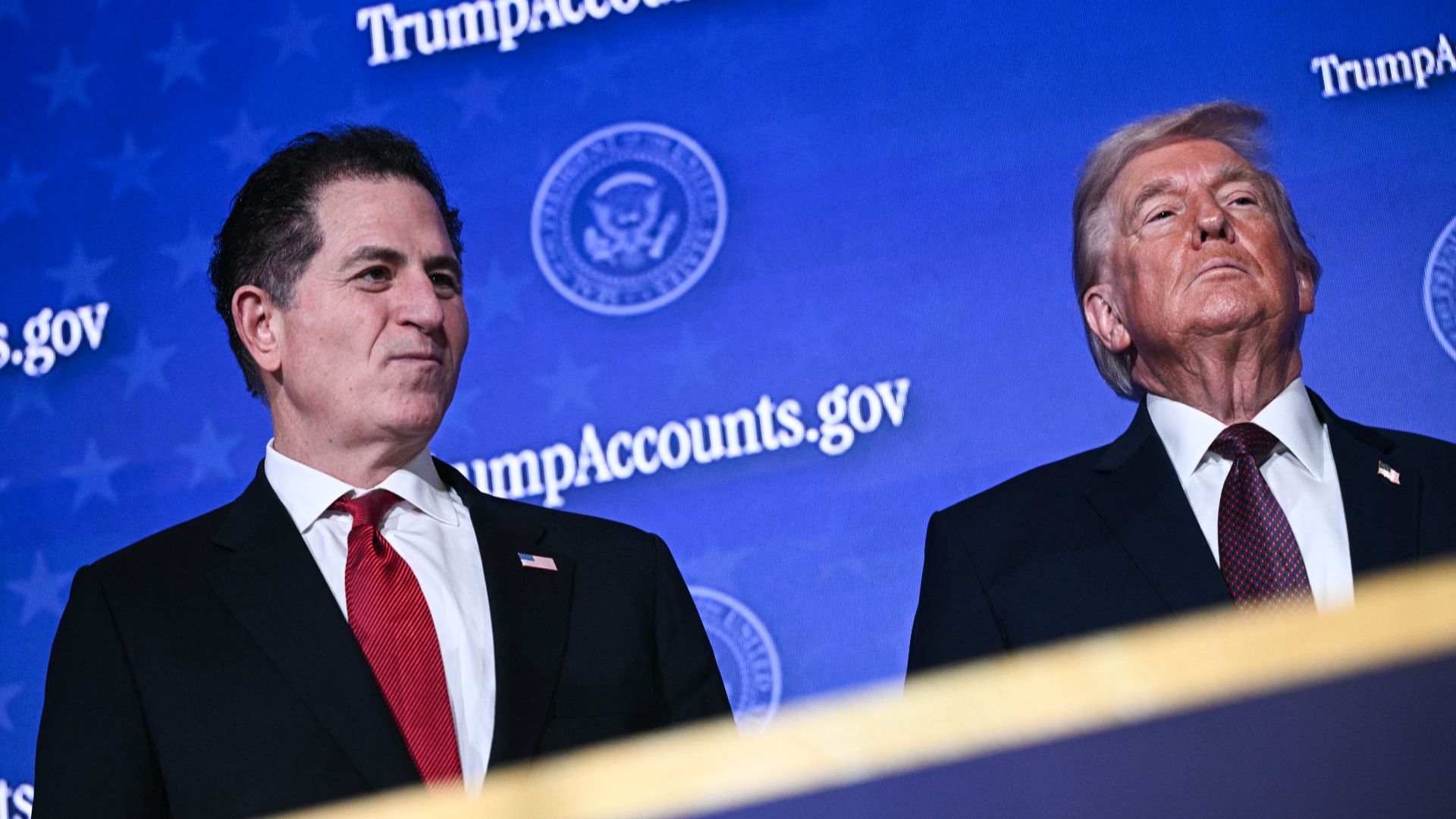
Supporters of the administration argue Dell's selection reflects the company's long-established role as a major federal contractor rather than any political favoritism. Yet critics maintain that the combination of Trump's personal investment and the company's increasingly close ties to the White House creates an appearance problem that cannot be ignored. Those concerns were amplified by events that unfolded only months before the Pentagon award. In December 2025, Dell Technologies founder and CEO Michael Dell and his wife, Susan Dell, pledged $6.25 billion to support the administration's “Trump Accounts” initiative, a program designed to provide tax-deferred savings accounts for millions of American children. Standing alongside the Dells during a White House event, Trump later publicly endorsed the company, declaring: «So go out and buy a Dell. They're great.» Dell shares surged more than 14 percent following the remarks, reaching a record high of $263.99. Combined with Trump's disclosure that he had purchased between $1 million and $5 million in Dell stock before the Pentagon announced its $9.69 billion contract, the sequence of events has fueled renewed calls for stricter presidential ethics rules and mandatory blind trusts. As scrutiny over Trump's business connections continues to grow, the Dell deal is rapidly becoming one of the most closely watched examples of how politics, personal finances and government spending intersect during his second presidency.
Created by humans, assisted by AI.
