

/https%3A%2F%2Fcdn-tor.buminteractif.com%2F2026%2F05%2F29184421%2Fukraine-zelensky-getty-34534sf.jpg)
Ukraine has turned the tide on several fronts of the war, recapturing approximately 590 square kilometers of territory from Russian forces since the beginning of the year and celebrating its largest battlefield gains since 2023. The advances represent a significant shift in a conflict that had largely settled into a costly stalemate after years of attritional fighting. Ukrainian officials say the recaptured territory includes important positions in eastern and southeastern Ukraine, while recent operations have also thwarted Russian efforts to establish buffer zones along parts of the border. The gains come at a time when Moscow continues to intensify its missile and drone campaign against Ukrainian cities, highlighting the contrast between Russia's aerial pressure and Ukraine's improving performance on the battlefield.
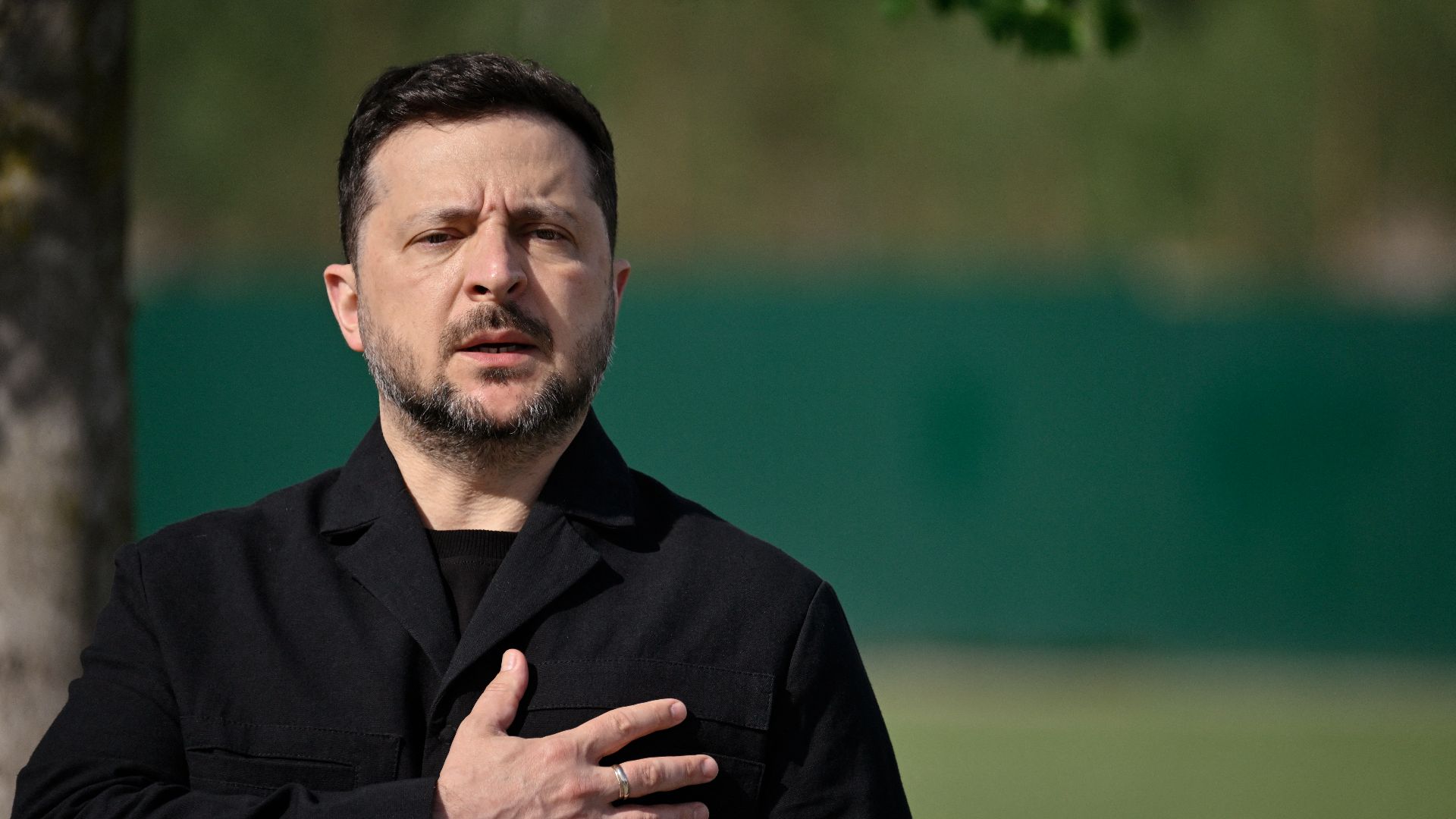
President Volodymyr Zelensky has presented the latest advances as evidence that Ukraine has regained momentum after months of difficult fighting. Speaking about the battlefield situation, Zelensky said: «Indeed, Ukraine's positions are stronger now than in previous years. Since the beginning of the year, 590 square kilometers of our territory have been liberated and brought under our control. The trend is certainly not in the occupier's favor.» According to Ukrainian officials, the gains include driving Russian forces completely out of the Dnipropetrovsk region, pushing them north of Kupiansk and reversing Russian progress in border areas where Moscow had hoped to establish defensive buffer zones. Analysts note that the advances mark Kyiv's first sustained territorial gains since 2023 and represent a rare strategic setback for Russian forces.
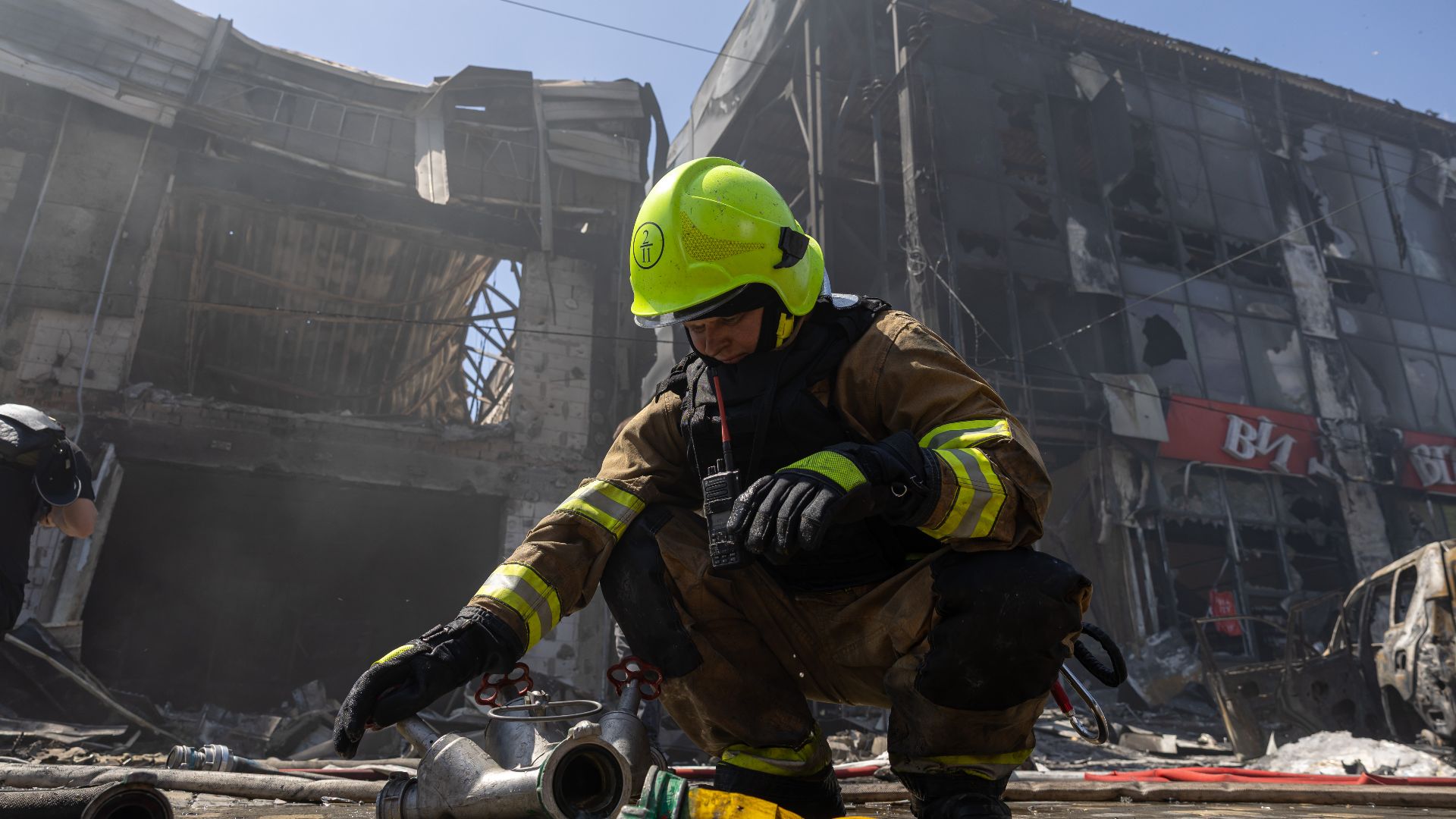
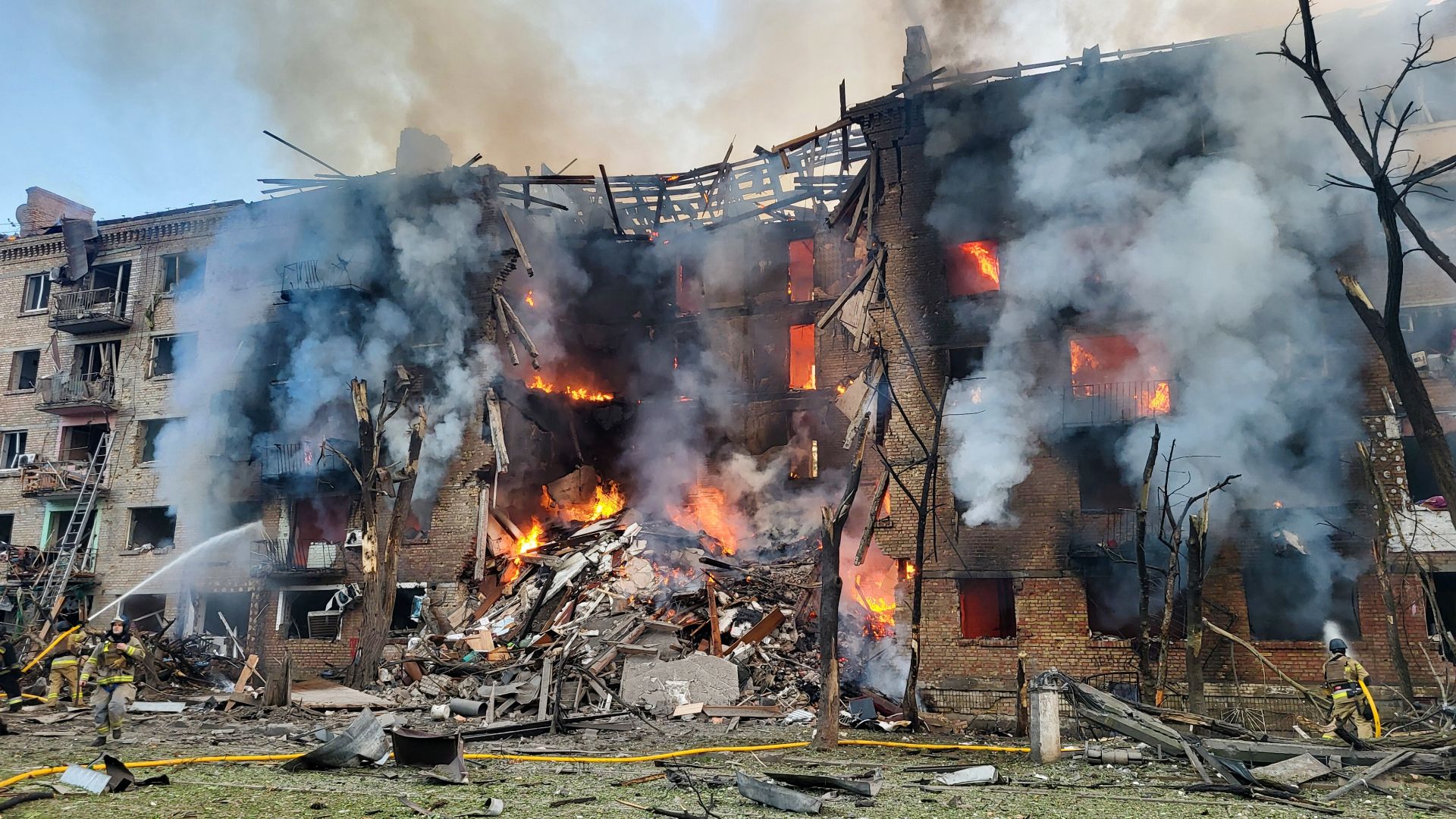
Russia's recent attacks on Ukraine reflect how dramatically the conflict has evolved since the opening months of the invasion. The rapid armored maneuvers that once defined the battlefield have increasingly given way to a grinding war of attrition marked by drones, artillery barrages and large-scale missile attacks targeting cities and energy infrastructure. Facing years of equipment losses, severe wear and tear, armored vehicle shortages and mounting casualties, Russian commanders have increasingly relied on costly infantry assaults to secure limited territorial gains. At the same time, Moscow has escalated deep-strike campaigns involving record waves of drones and hypersonic missiles aimed at weakening Ukraine's economy and civilian infrastructure. Despite that pressure, Ukrainian forces have demonstrated resilience by not only holding key defensive positions but also launching successful counterattacks across several sectors.
A major factor behind the recent Ukrainian advances was a crackdown that disrupted Russian battlefield communications. According to U.S. intelligence assessments, thousands of illicit Starlink satellite terminals used by Russian frontline troops were disabled as part of a broader international effort targeting unauthorized access to the network. The loss of those terminals reportedly degraded Russian drone coordination, battlefield communications and command-and-control capabilities across multiple sectors. Ukrainian forces quickly exploited the disruption, launching operations that reclaimed territory previously occupied by Russian troops. Officials and military analysts believe the communications setback played a key role in accelerating Ukraine's recent territorial gains, particularly in contested areas where drone reconnaissance and rapid battlefield coordination have become essential to modern combat operations.
«Indeed, Ukraine's positions are stronger now than in previous years. Since the beginning of the year, 590 square kilometers of our territory have been liberated and brought under our control. The trend is certainly not in the occupier's favor.»
-Ukraine President, Volodymyr Zelensky
The war nevertheless remains extraordinarily costly for both sides. According to the latest estimates released by Ukraine's Armed Forces on May 29, Russia has suffered more than 1.36 million troop losses since the start of the full-scale invasion, including 960 reported during the previous 24 hours. Ukrainian military officials further estimate that Russian forces have lost 11,958 tanks, 24,636 armored fighting vehicles, 42,860 artillery systems and 1,808 multiple launch rocket systems. The figures also include 316,652 drones, 100,230 military vehicles and fuel tanks, 4,687 cruise missiles and 1,397 air-defense systems. In the air and at sea, Ukraine claims Russia has lost 436 aircraft, 353 helicopters, 33 warships and boats, and two submarines. While the figures cannot be independently verified and exceed some Western intelligence estimates, they illustrate the immense scale of losses Russia has reportedly sustained after more than three years of war.
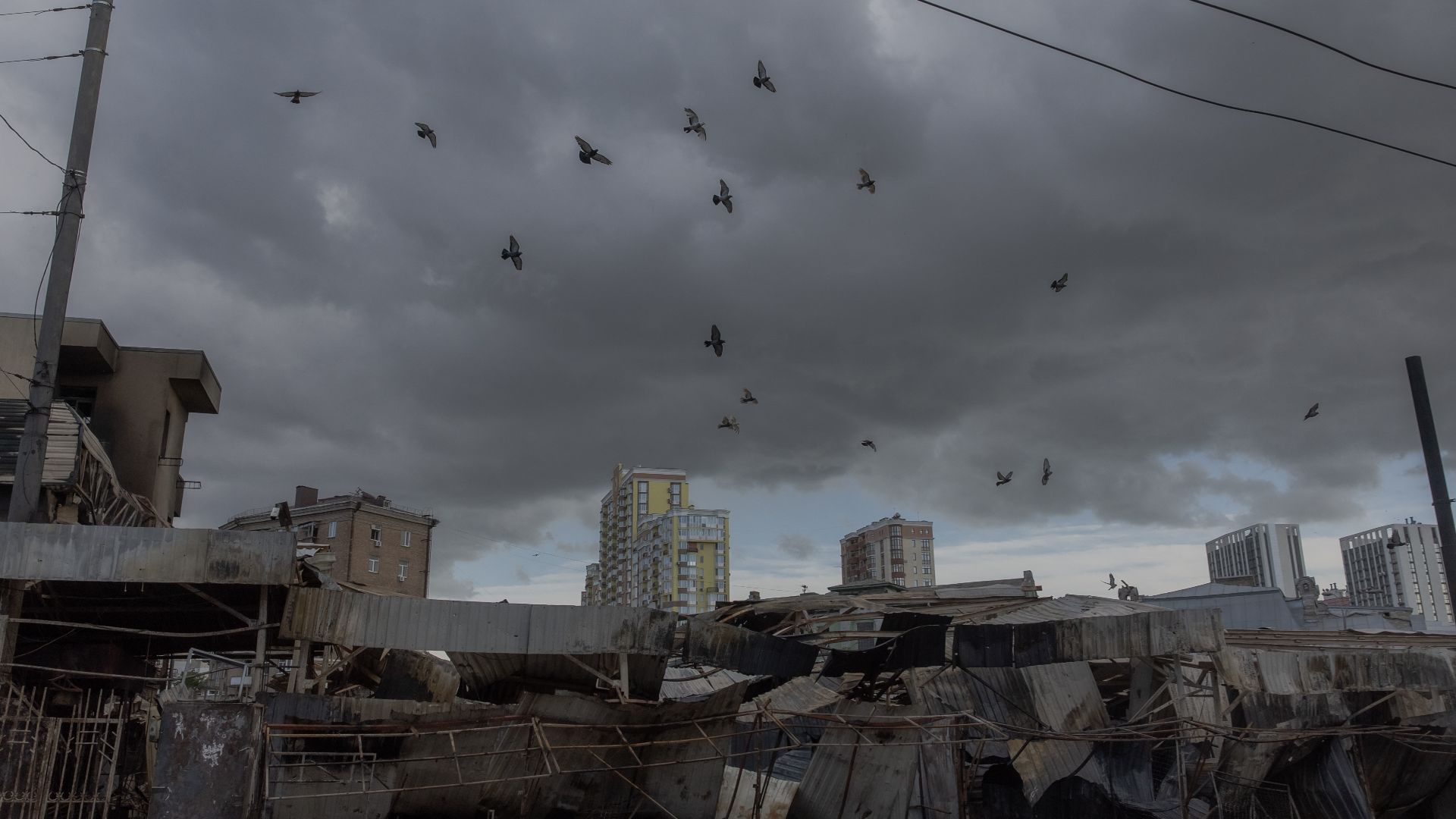
Ukraine's gains have also undermined one of Moscow's key objectives for the year: the creation of buffer zones along the Kharkiv and Sumy borders intended to push Ukrainian forces farther from Russian territory. Instead, Ukrainian units have succeeded in dismantling many of those positions while forcing Russian troops to retreat from several border areas. Yet the conflict remains far from resolved. Large stretches of the front line, particularly in the Zaporizhzhia region, continue to function as highly contested “grey zones” where relentless drone warfare makes territorial control fluid and difficult to measure. Even so, Ukraine's recapture of 590 square kilometers has altered the battlefield narrative for the first time in years. As both armies prepare for the next phase of the conflict, the latest advances suggest that Russia's offensive momentum may be slowing while Ukraine regains the initiative across key sectors of the front.
Created by humans, assisted by AI.
