

/https%3A%2F%2Fcdn-tor.buminteractif.com%2F2026%2F06%2F07192405%2FGettyImages-2271227840.jpg)
Canadian food prices continued climbing in April despite easing inflation elsewhere in the economy, with several everyday grocery items posting double-digit price increases compared with a year earlier. New data from Statistics Canada released on June 4 shows consumers are still paying significantly more for many staple foods, reinforcing concerns that grocery affordability remains a major challenge for Canadian households even as overall inflation moderates. This article serves as a list of food items that saw the greatest rise in April 2026.
What has risen in price?
Among the products recording the largest increases was fresh cauliflower, which surged 20.3 per cent year-over-year in April. Fresh or frozen beef rose 16.2 per cent, while fresh tomatoes increased 14.7 per cent. Coffee prices climbed 13.4 per cent compared with April 2025, due to global supply pressures and poor harvests in major coffee-producing regions. Fresh vegetables overall rose 3.7 per cent, while meat prices increased 5.8 per cent, continuing a trend that has strained household food budgets across the country.
Factors such as product rotation, quality and quantity changes, and shifting consumer preferences can contribute to price differences from one month to another.
Statistique Canada
The rise in beef prices was particularly notable. Analysts are pointing to ongoing supply constraints in North America's cattle industry, where drought conditions and herd reductions have limited production. Similar pressures have affected several agricultural commodities worldwide, contributing to elevated costs throughout grocery supply chains. Consumers have reported shifted purchasing habits, buying less meat or substituting lower-cost proteins as food costs remain elevated.
Coffee has emerged as another major contributor to grocery inflation. Prices have risen sharply over the past year as adverse weather conditions affected harvests in key producing countries like Brazil and Vietnam. Global demand has remained strong despite supply disruptions, pushing wholesale prices higher and ultimately trickling down to affect consumers. For many households, coffee has become one of the most visible examples of how international agricultural trends are increasingly affecting food prices at home. Canada produces very little coffee, relying on international growers whose climate lends itself to the production of coffee for many Canadians' daily routines.
Not every food item is increasing
Not every grocery category saw increases. Some products recorded meaningful declines compared with a year earlier. Cooking oil prices fell 8.9 per cent, while fresh peaches dropped 8.8 per cent. Lettuce prices declined 5.1 per cent and onions also dropped in price by 4.1 per cent. Those decreases helped offset some food inflation but were not large enough to counterbalance increases across several major staple categories. Overall, Canadians continue paying substantially more for groceries than they did before the inflation surge that began in 2021.
Food insecurity ramping up amid price increases
The April figures arrived as food affordability remains one of the country's most persistent economic concerns. Food inflation has slowed considerably from the peaks recorded during 2022 and 2023, but grocery prices remain far above pre-pandemic levels. Economists claim that lower inflation does not mean prices are falling; it simply means they are rising more slowly. As a result, many consumers continue experiencing ‘sticker shock' even as broader inflation indicators improve.
Statistics Canada reported that food purchased from stores increased 3.8 per cent year-over-year in April, exceeding the overall inflation rate. While that may represent slower growth than in previous years, it remains significant for households already struggling with housing, transportation and other living costs. Food bank usage has reached record levels across Canada, with many organizations reporting growing demand from employed individuals and families who previously would not have required assistance. According to Food Banks Canada, food banks were visited more than 2 million times just in March 2025, the highest monthly total ever recorded. That number is also double the level from 2019. The organization argues that rising housing costs, food prices and economic insecurity all impacted food bank visits.
Food insecurity becoming a priority for PM Carney
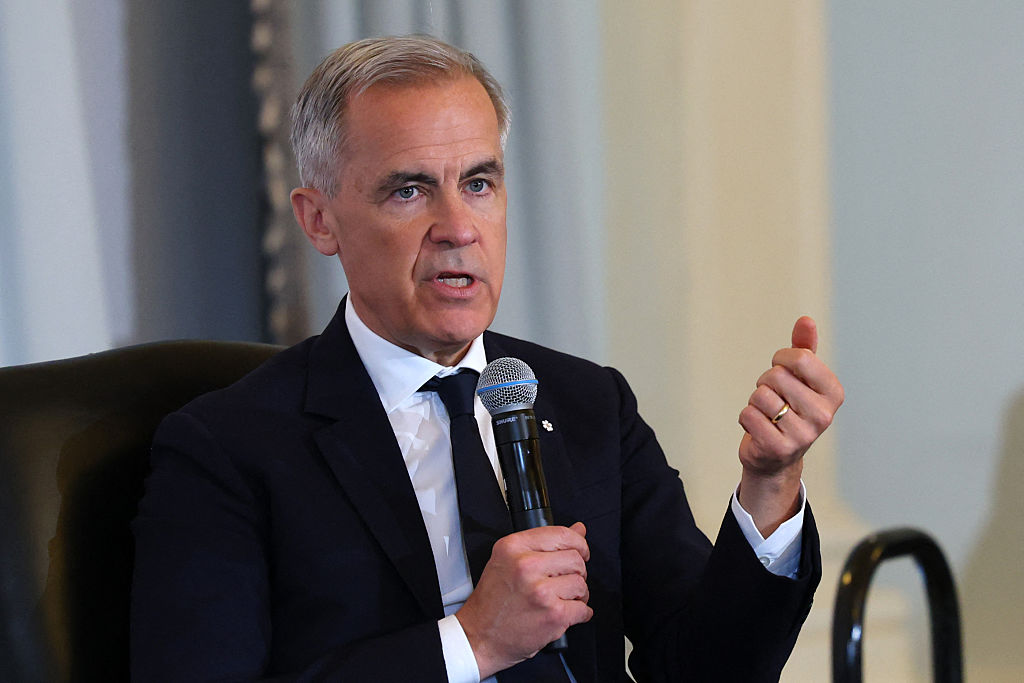
The persistence of food inflation has become a political issue as governments seek ways to address affordability concerns. Federal and provincial leaders have introduced various affordability measures, while grocery retailers continue facing scrutiny over pricing practices and profit margins. Industry representatives argue that many cost pressures originate earlier in the supply chain, including transportation expenses, labour costs, commodity prices and climate-related disruptions affecting agricultural production. Canadian Prime Minister Mark Carney recently announced a benefit that will provide quarterly deposits for families in need.
There are some uniquely Canadian problems that make the cost of food here so very expensive
Michael Widener, University of Toronto
For shoppers, the recently released April numbers reinforce a reality that has persisted for several years. Even with inflation cooling, grocery affordability remains a significant challenge. Essential staples such as beef, vegetables and coffee continue becoming more expensive, forcing many households to adjust spending habits and search for savings where possible. The latest data suggests that even as Canada's inflation picture improves overall, Canadians' weekly trips to the grocery store remain a reminder that the cost-of-living crisis has not fully disappeared.
 Housing markets dips 20%, but Canadians still can't afford homes
 Trump and US ambassador mock Canada's technical recession with new “51st state” taunts as Carney shrugs it off