

/https%3A%2F%2Fcdn-tor.buminteractif.com%2F2026%2F06%2F10174415%2Ftrump-economy-getty-345345sf345234.jpg)
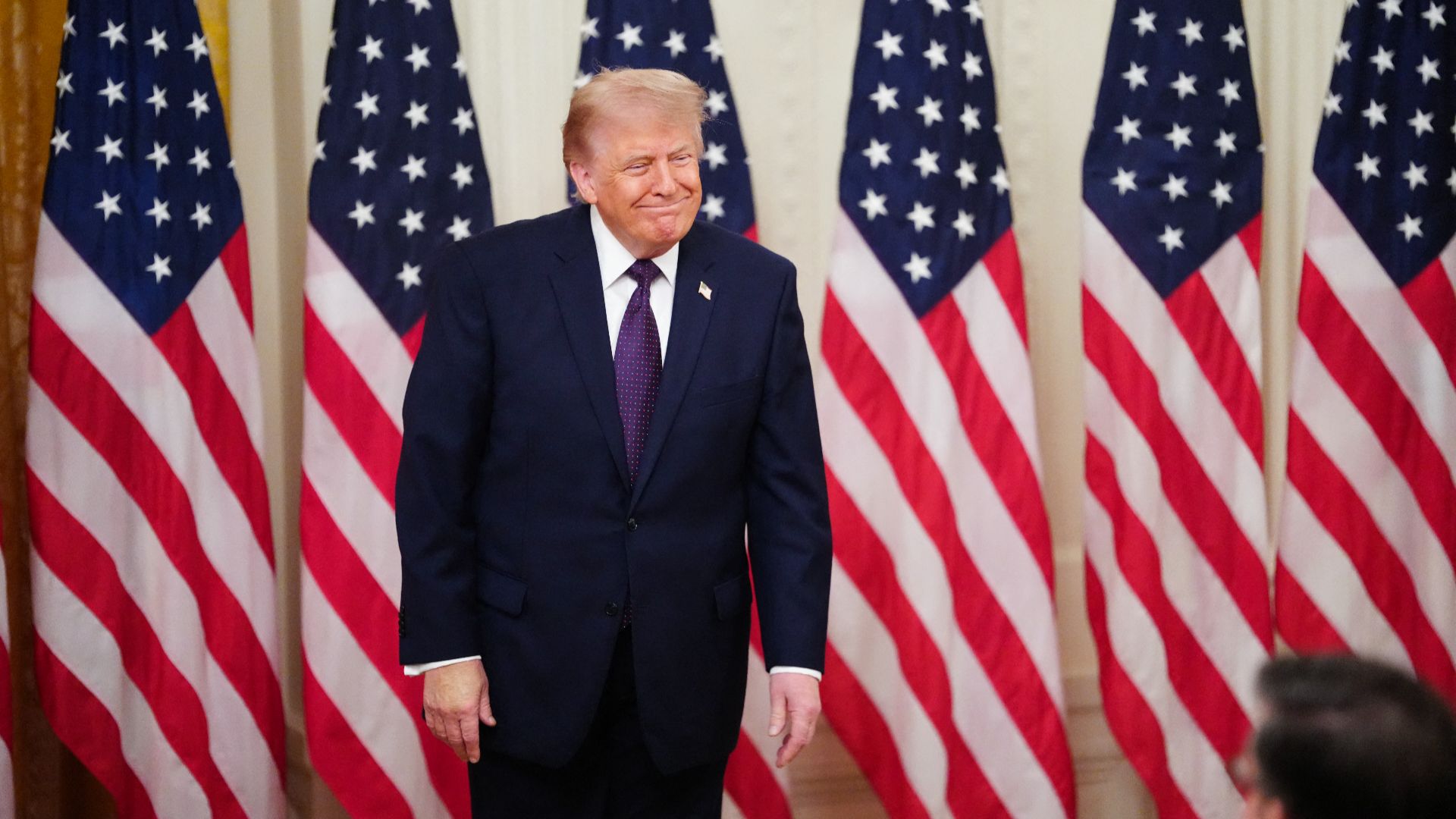
U.S. annual inflation rose to 4.2% in May 2026, marking the highest level since April 2023 and extending a three-month streak of accelerating price growth across the American economy. The increase was driven largely by soaring energy costs linked to the conflict involving Iran and disruptions around the Strait of Hormuz, one of the world's most important oil transit routes. The report immediately intensified scrutiny of the Federal Reserve's next moves and further reduced expectations for near-term interest-rate cuts. During an appearance in the Oval Office following the release of the inflation data, a reporter asked Donald Trump: «Are you concerned, Mr. President, about the latest inflation number which came out this morning?» Trump dismissed concerns and replied: «No, I love it, the numbers were great.» The comments came as policymakers, investors and consumers assessed the implications of the highest inflation reading in more than three years.
According to the latest Consumer Price Index data, inflation accelerated from 3.8% in April to 4.2% in May, matching economists' forecasts but nevertheless reaching a level not seen since the spring of 2023. Energy prices remained the dominant driver behind the increase. Data showed that energy inflation surged 23.5% year over year, while gasoline prices jumped more than 40% compared with the same period last year. Fuel oil prices also posted substantial gains, while transportation costs climbed as airlines faced higher fuel expenses. Economists noted that energy accounted for more than 60% of the monthly increase in consumer prices. Although core inflation, which excludes food and energy, remained significantly lower at 2.9%, the headline figure highlighted the extent to which geopolitical events were filtering through to household budgets across the country.
«Other than inflation—which I think is going to be a short-term blip—the economic data is very strong,»
-U.S. Treasury Secretary Scott Bessent
Financial markets reacted cautiously following the release. Wall Street futures moved lower as investors reassessed the likelihood of Federal Reserve easing later this year. Economists who only months ago anticipated multiple rate cuts have increasingly shifted toward expectations that borrowing costs will remain unchanged for an extended period. The inflation report arrives just days before the first Federal Reserve policy meeting chaired by Kevin Warsh, placing additional attention on the central bank's response. Analysts at major financial institutions have warned that persistent inflation above the Fed's 2% target leaves little room for immediate monetary easing. While some economists argued that the underlying inflation picture remains relatively contained because core inflation increased more slowly, others cautioned that renewed disruptions in energy markets could keep upward pressure on prices throughout the summer. «Other than inflation—which I think is going to be a short-term blip—the economic data is very strong,» stated U.S. Treasury Secretary Scott Bessent during his Senate Finance Committee confirmation hearing.
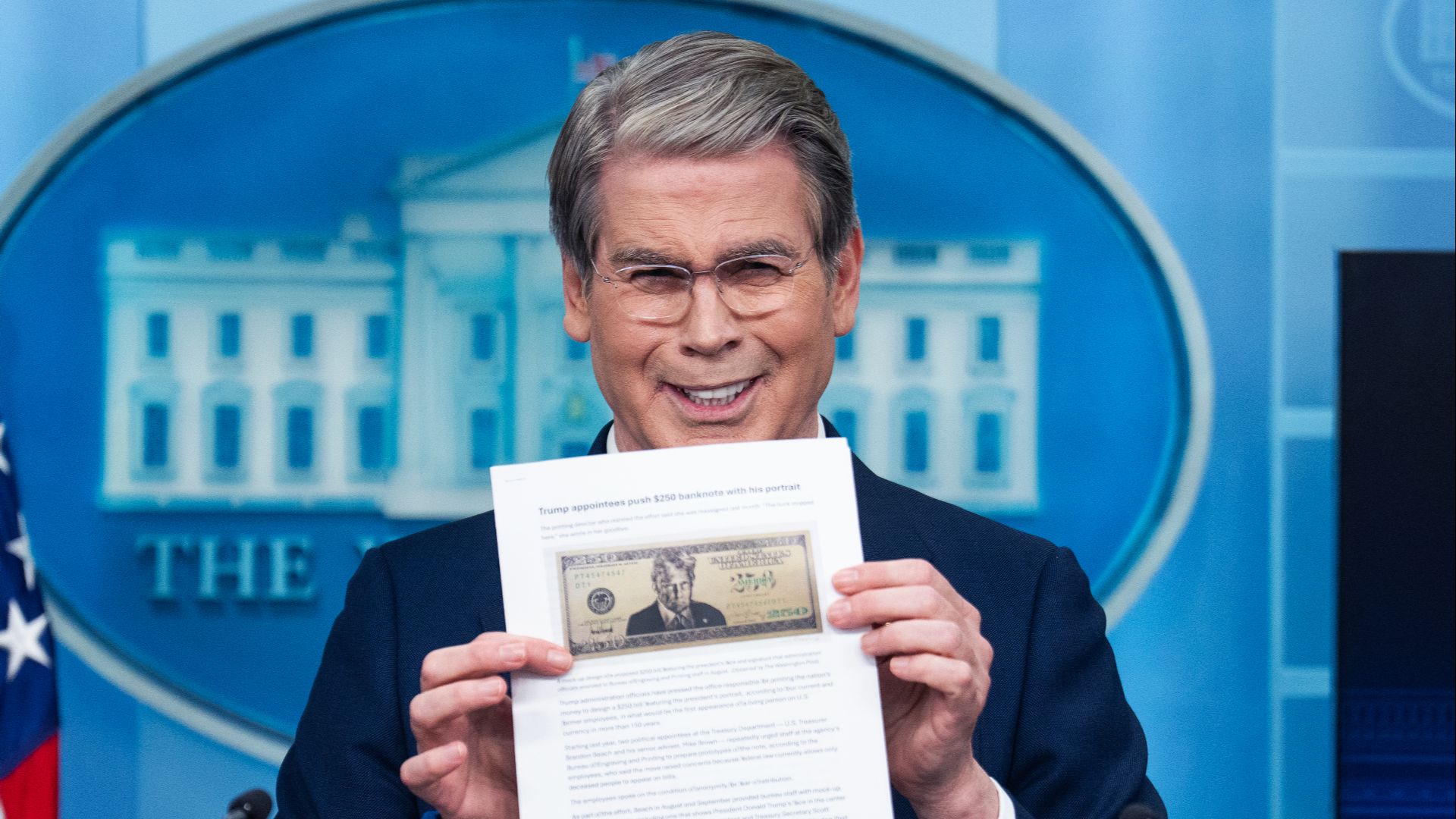
The latest figures have also deepened concerns among American consumers, many of whom continue to struggle with the cumulative impact of higher prices. Consumer confidence has deteriorated sharply in recent months, with surveys showing growing pessimism about personal finances and future economic conditions. Polling cited by several analysts found that a majority of Americans believe inflation is actively eroding their finances, while many households report that income growth is failing to keep pace with the rising cost of everyday necessities. Separate surveys have found increasing concern about food, housing and transportation expenses, even as the labor market remains relatively stable. Economists noted that inflation continues to outpace wage growth, resulting in a decline in real purchasing power for many workers despite ongoing job creation across the economy.

Political debate surrounding the economy intensified almost immediately after the report was released. With the November midterm elections approaching, Democrats pointed to the inflation figures as evidence that the administration's economic policies are failing to shield consumers from rising costs. Republicans and Trump administration officials have pushed back against that characterization, arguing that the increase is largely concentrated in energy markets affected by the conflict involving Iran rather than reflecting widespread inflation throughout the economy. Administration allies have emphasized that core inflation remains below the headline rate and have argued that many sectors of the economy continue to show resilience. The White House has also highlighted declines in some categories, including certain insurance and healthcare costs, while insisting that energy-driven inflation should ease if geopolitical tensions stabilize.
«No, I love it, the numbers were great.»
-U.S. President, Donald Trump
The May inflation report nevertheless underscores how closely the American economy remains tied to developments overseas. The conflict involving Iran and the resulting disruption of energy markets have transformed what had been a gradual inflation recovery into a renewed challenge for policymakers. While some analysts believe inflation may have reached or be nearing a peak if oil prices stabilize, others warn that additional shocks in the Middle East could quickly reverse any progress. For the Federal Reserve, the latest figures complicate efforts to balance inflation control with economic growth. For consumers, the report serves as another reminder that higher gasoline prices and increased living costs remain central concerns. For politicians heading into a critical election season, inflation is once again emerging as one of the most important issues shaping the national debate.
Created by humans, assisted by AI.
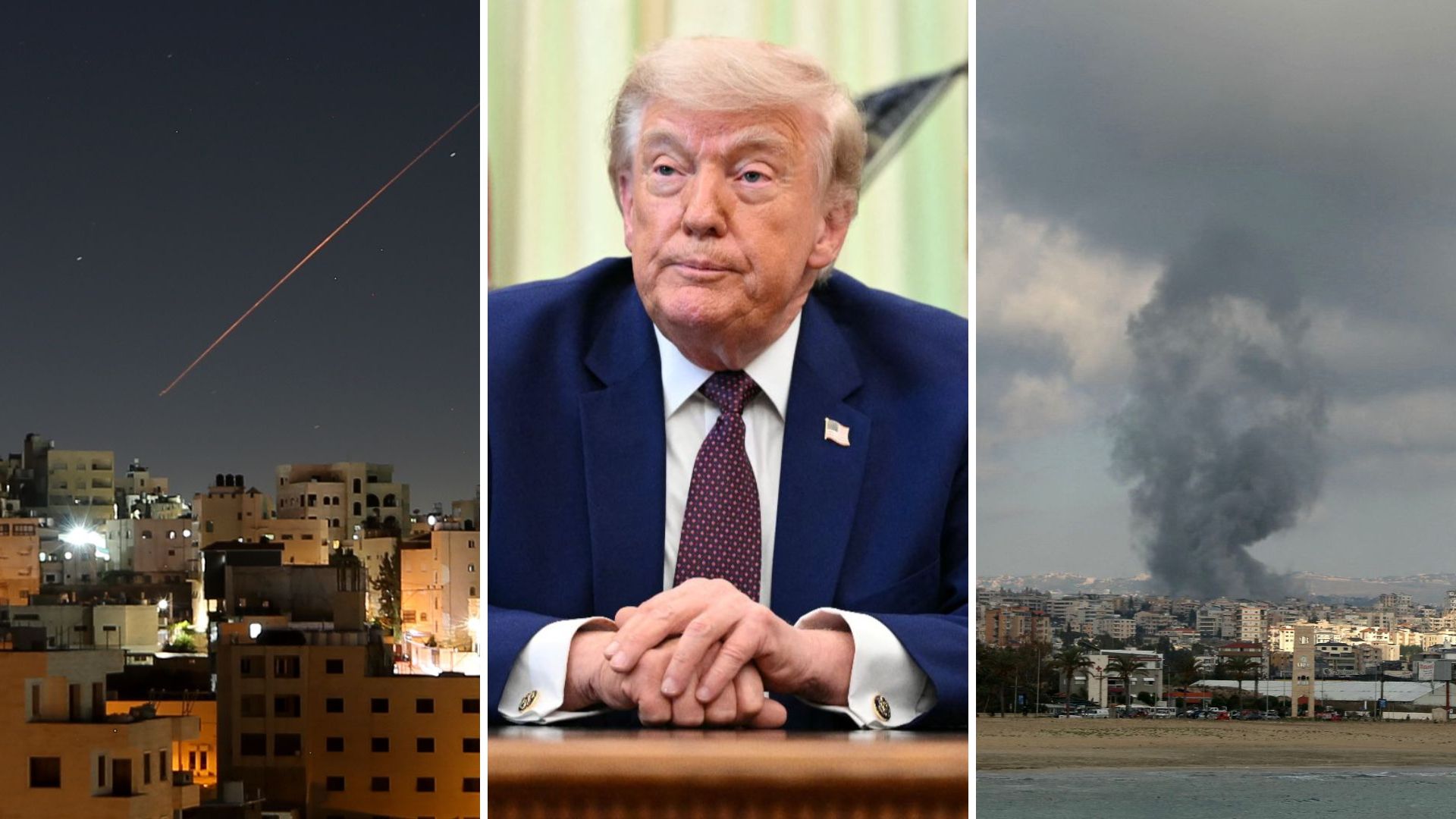 Trump begs Israel and Iran to stop “shooting”, Pope Leo says it's a “painful defeat”
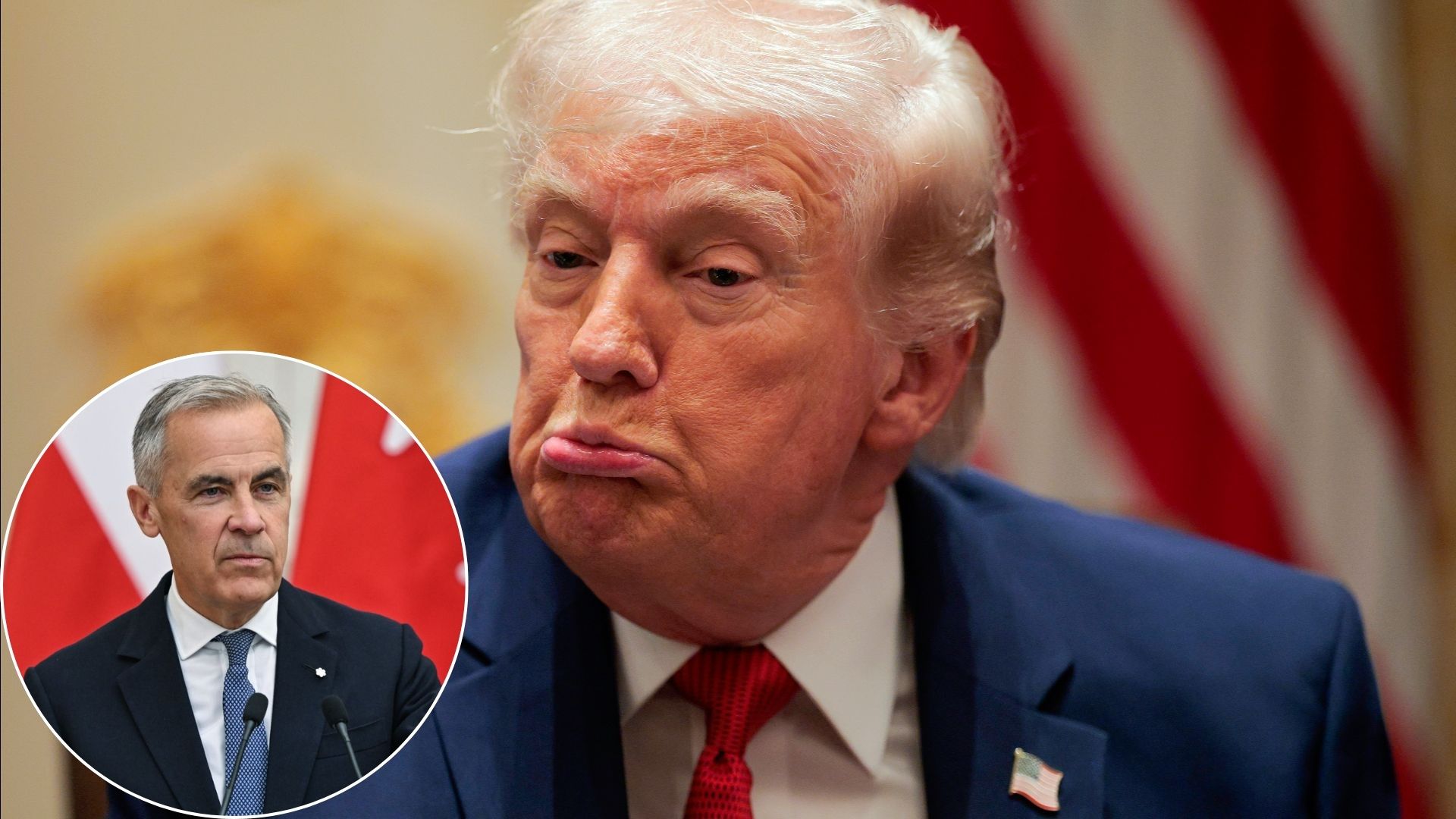 Trump and US ambassador mock Canada's technical recession with new “51st state” taunts as Carney shrugs it off