

/https%3A%2F%2Fcdn-tor.buminteractif.com%2F2026%2F06%2F10192025%2Fcapture-truth-social45345345.jpg)
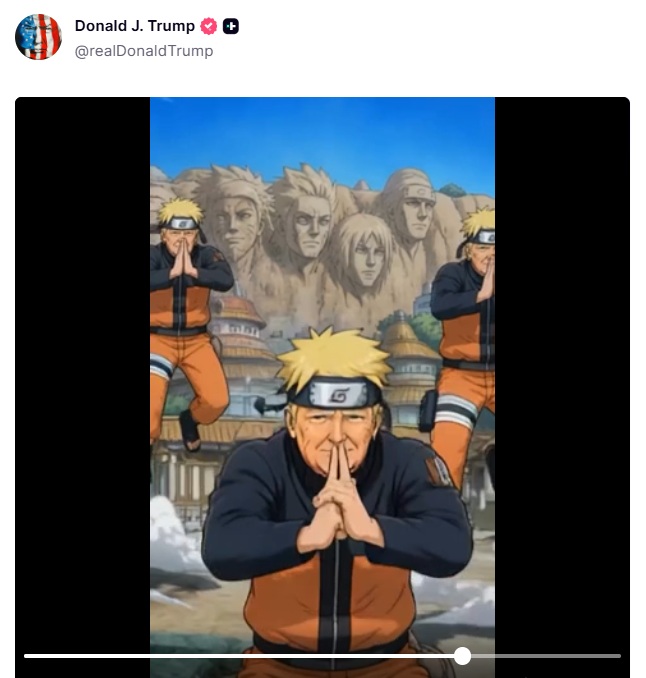
Donald Trump's controversial use of artificial intelligence took a new turn after a recent video shared by the U.S. president sparked anger in Japan and pushed The Pokémon Company International to publicly distance itself from political imagery connected to his administration. The AI-generated video, part of a campaign music video for «Thank You, President Trump» by New York congressional candidate Anthony Constantino, presents Trump in a series of exaggerated and surreal scenes meant to celebrate his political image. The footage shows him dining with the Mexican president, riding a lion and appearing as a monument-style figure, but the sequence that drew the sharpest reaction in Japan digitally depicts him as Naruto Uzumaki, wearing the character's recognizable orange-and-black ninja costume from the famous manga and anime franchise Naruto.
The image of Trump as Naruto quickly spread across Japanese social media, where fans criticized the use of a beloved cultural figure in partisan American political messaging. Naruto, created by Masashi Kishimoto, remains one of Japan's most recognizable manga and anime franchises, with a global audience built around a character whose story is tied to perseverance, empathy, forgiveness and the search for peace after cycles of violence. Critics argued that using the character's image in a political video connected to Trump's campaign world distorted the meaning of the series and placed Naruto in a context far removed from the themes that made it popular. The backlash grew as screenshots and clips circulated online, with many users objecting not only to the political association but also to the broader use of AI to recreate protected fictional characters without permission.
«Our mission is to bring the world together, and that mission is not affiliated with any political viewpoint or agenda.»
– A spokesperson for The Pokémon Company International
The backlash soon moved beyond fan criticism after a petition in Japan demanded that Trump and the White House stop using beloved manga and anime characters without authorization. The petition quickly gathered nearly 20,000 signatures within only a few days, reflecting how strongly the video was received by parts of the Japanese public. Supporters of the petition said fictional characters should not be turned into political tools without approval from creators, publishers or rights holders. Many also argued that AI-generated political content creates a new risk for entertainment franchises because recognizable characters can be copied, transformed and circulated rapidly before companies have time to respond. The controversy also became part of a wider debate about whether political figures are using artificial intelligence to borrow the emotional power of pop culture while avoiding the permissions usually required for official campaign material.
The dispute also revived attention on earlier concerns from The Pokémon Company International, which had already condemned the unauthorized use of Pokémon-related imagery connected to the White House. After previous material used imagery associated with the Pokémon Pokopia video game, Sravanthi Dev, a spokesperson for The Pokémon Company International, issued a written statement to major news outlets including The New York Times and the BBC. «We were not involved in its creation or distribution,» Dev said. She added: «Our mission is to bring the world together, and that mission is not affiliated with any political viewpoint or agenda.» The statement underscored the company's effort to separate its brand from partisan politics and highlighted the discomfort among major entertainment rights holders when their characters or visual styles are pulled into political messaging without authorization.
Trump and his campaign have faced repeated objections from artists, companies and rights holders over the use of copyrighted material in political settings. The White Stripes frontman Jack White objected after the use of «Seven Nation Army» and filed a federal lawsuit alleging «flagrant misappropriation» of the band's music. He also wrote: «Oh… Don't even think about using my music you fascists.» Neil Young previously sued over the use of «Rockin' in the Free World» and said on his website: «Imagine what it feels like to hear ‘Rockin' in the Free World' after this President speaks, like it is his theme song. I did not write it for that.» Other disputes have involved ABBA, Foo Fighters, Céline Dion, Beyoncé and Creedence Clearwater Revival, adding to a long record of artists objecting to Trump's use of their work in political contexts.
«Imagine what it feels like to hear ‘Rockin' in the Free World' after this President speaks, like it is his theme song. I did not write it for that.»
– Neil Young
The Naruto controversy also recalls Trump's earlier use of imagery inspired by HBO's Game of Thrones. In November 2018, he posted a stylized graphic announcing Iran sanctions with the phrase «Sanctions Are Coming — November 5,» a clear play on the show's famous slogan «Winter Is Coming» and its signature visual style. HBO responded with a pointed public message: «How do you say trademark infringement in Dothraki?» The latest AI-generated Naruto video places that history in a newer technological context, where political campaigns and allies can use artificial intelligence to recreate familiar characters, visual worlds and cultural references at speed. For Japanese fans, the anger surrounding the video is not only about Trump's image as Naruto, but about the growing use of AI to attach political messages to fictional characters whose creators and communities never agreed to that association.
Created by humans, assisted by AI.
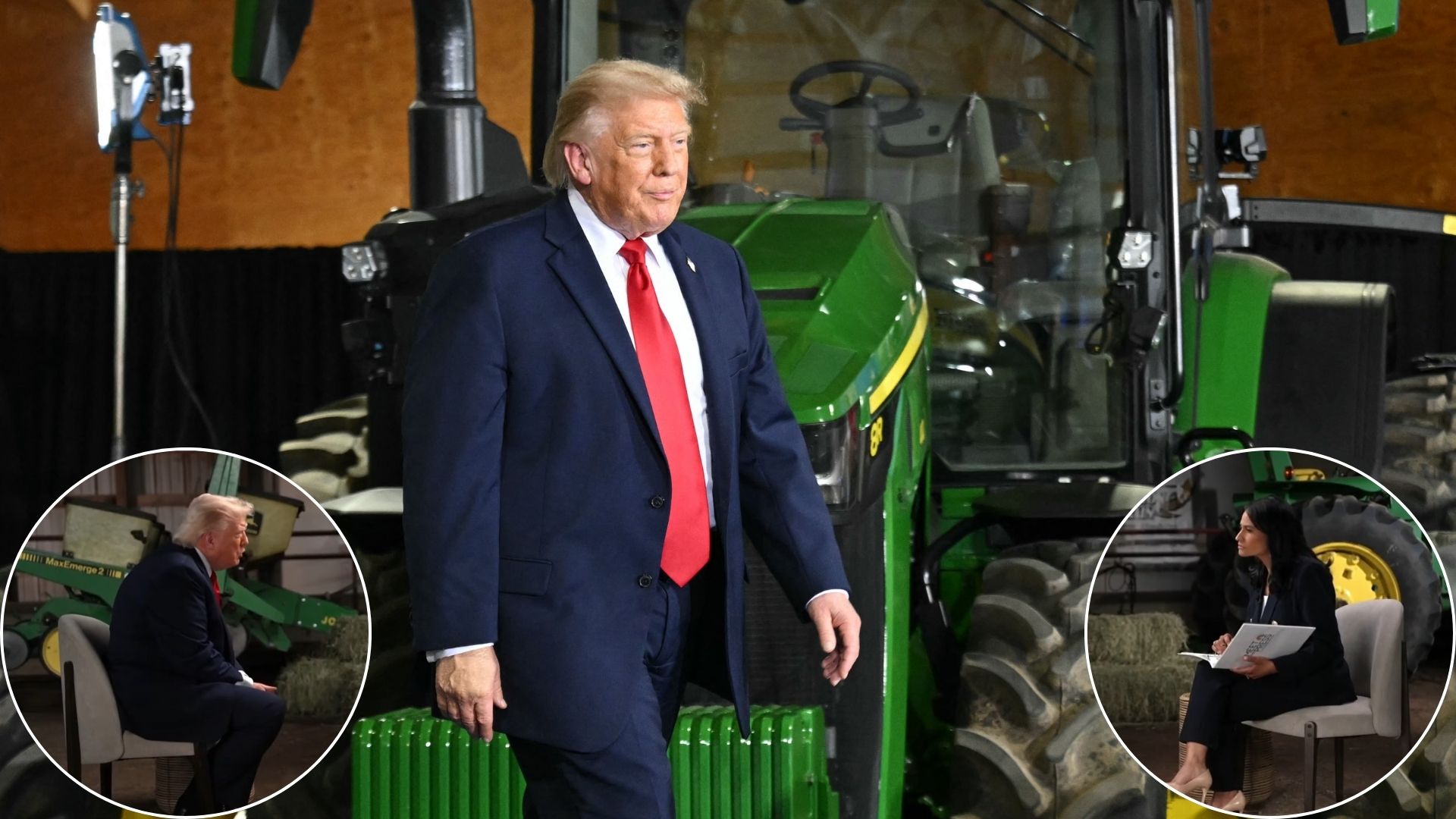 Trump abruptly quits NBC interview after calling female journalist “crooked” and “stupid” and dodging election questions
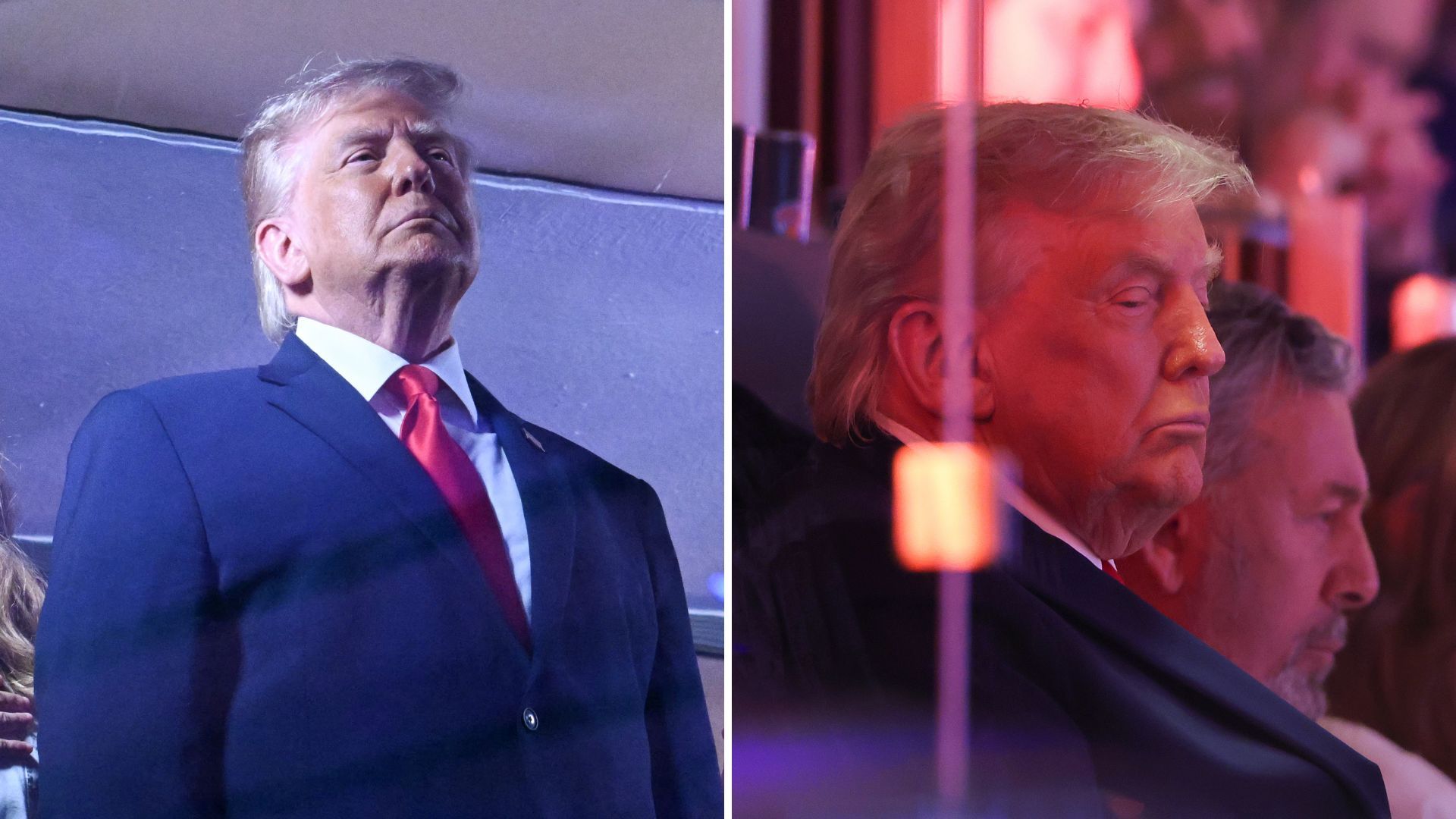 Trump says Knicks fans gave him 'mostly cheers' despite boos at Madison Square Garden