Microsoft Restructures Its Operations: 4,800 Job Cuts, a Shift Toward AI, and Implications for Xbox


/https%3A%2F%2Fcdn-tor.buminteractif.com%2F2026%2F07%2F06191517%2Fmicrosoft-xbox-getty-435345dfgdfg.jpg)
- Microsoft is reducing its workforce as part of a major internal transformation.
- The company is accelerating its shift toward artificial intelligence and cloud infrastructure.
- The Xbox division is particularly affected by this reorganization.
- Several studios and creative teams will see changes in how they operate.
- Microsoft is banking on AI to drive growth despite the challenges ahead.
Background and Decision: In early July 2026, Microsoft announced the elimination of approximately 4,800 positions as part of a broad reorganization aimed at refocusing the company's resources on artificial intelligence and cloud infrastructure. These cuts represent nearly 2.1% of the global workforce and particularly affect the Xbox division. According to management, this is a structural transformation rather than a one-time cost-cutting measure, aimed at adapting the organization to rapid changes in the technology market.
Why now? Microsoft's strategic priority today is artificial intelligence. To meet the growing demand for AI tools and services, Azure and data centers require massive investments. The company has announced capital expenditures of approximately $190 billion through 2026, a budget intended to expand infrastructure, secure energy supplies, and meet storage and computing needs. In this context, management believes it is necessary to reallocate capital and talent from units deemed to be growing more slowly to segments that generate long-term competitive advantages.
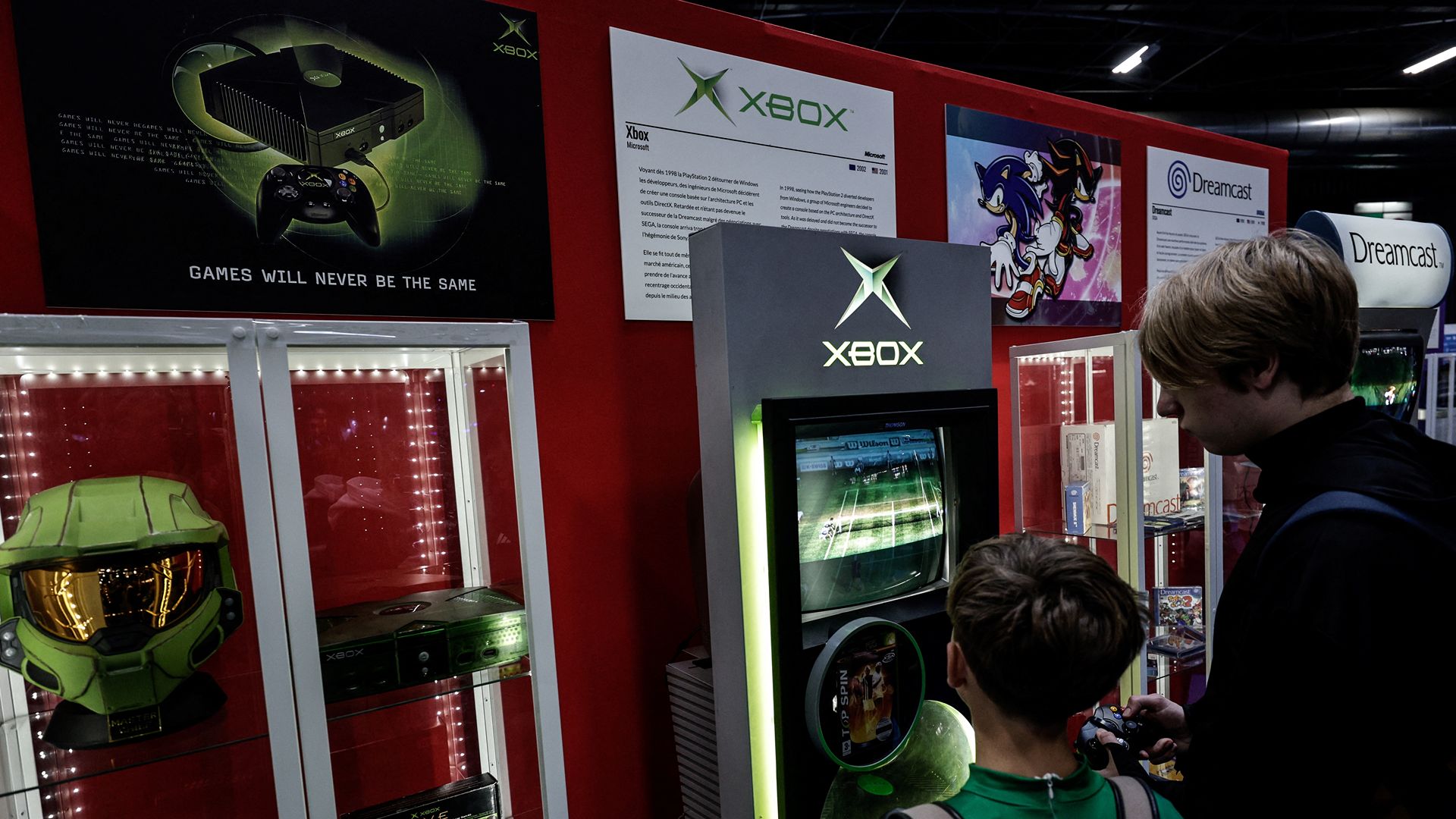
The impact on Xbox and the video game industry: The video game division is the hardest hit by these layoffs, with about one-fifth of Xbox's workforce affected. Microsoft has seen a decline in hardware sales, an increase in development costs, and a sharp drop in operating margins (reported at around 3%). Furthermore, the acquisition of major assets, such as Activision Blizzard, has increased the initial costs of expanding the catalog. To improve profitability, the company is carrying out internal reorganizations and plans to transfer certain studios to new governance structures in order to preserve franchises while reducing operating expenses.
Studios and Independence: Among the announced measures is a change in the status of several studios. Compulsion Games and Double Fine Productions are expected to regain full independence, while others, such as Ninja Theory and Undead Labs, will be restructured under new leadership. The idea is to balance the protection of intellectual property with a reduction in Microsoft's direct operational responsibilities. This model aims to allow creative teams to continue their projects without the constraints of heavy central management, while ensuring the long-term viability of the franchises for the publisher.
Human Resources: Support and Reskilling: Aware of the human impact of this decision, management has emphasized providing support to affected employees. Microsoft has outlined financial assistance measures, training programs, and outplacement services to facilitate the transition. The company also notes that more than 4,000 people have been reassigned to new positions this year and that voluntary separation programs have allowed some employees to leave under better conditions. Nevertheless, the change remains painful and raises questions about the ability of the organization to absorb these transformations without significant loss of talent.
Market reaction and financial implications: The decision comes after a difficult half-year for Microsoft's stock, which has seen a significant decline. Investors now expect the heavy investments in AI to translate into a tangible improvement in profitability. The restructuring therefore also aims to reassure the markets by demonstrating a commitment to controlling costs and improving margins, while continuing to support future growth driven by cloud services and AI.
Outlook and Risks: In the short term, the focus is on cutting costs and improving margins. In the medium and long term, Microsoft's strategy hinges on the success of its shift toward AI: if Azure and related offerings meet demand, the investments could pay off. However, the transformation comes with risks: loss of talent, a weakening of certain creative operations, or even negative reactions from communities and partners in the gaming industry. Management also warns that further changes are possible as the company continues on this path of transformation.
In short: Microsoft is betting big on AI and on modernizing its infrastructure capabilities. The 4,800 job cuts are part of a strategic move to redeploy resources and talent. Xbox is bearing the most visible brunt of this, with repercussions for studios and production. It remains to be seen whether this realignment will enable Microsoft to balance large-scale innovation with sustainable financial performance.
