Trump DOJ Says CNN, Politico and MS NOW White House Ban Is Justified Because Their Reporting «Threatened National Security»


/https%3A%2F%2Fcdn-tor.buminteractif.com%2F2026%2F09%2F23172125%2Ftrump-getty-435gdfgdfga45345dfghdf.jpg)
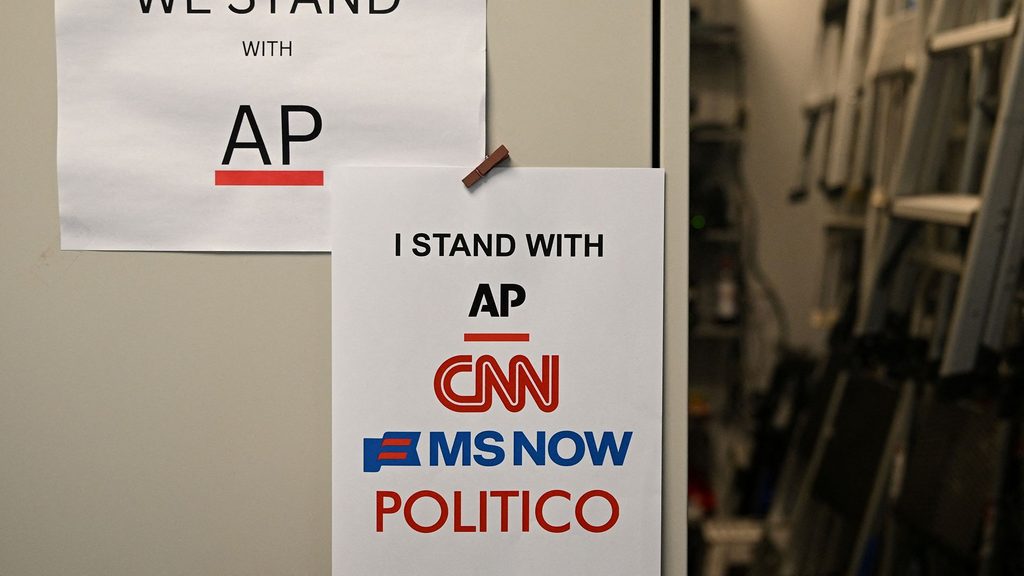
The U.S. Department of Justice is formally defending President Donald Trump's decision to ban CNN, Politico and MS NOW from White House grounds, escalating a bitter press-freedom fight by telling a federal court that the three organizations allegedly crossed a line from unfavorable journalism into conduct raising national security concerns. In a late Tuesday filing, government lawyers argued that «access to the White House is a privilege—not a right» and said Trump had concluded the organizations failed to meet minimum standards of professionalism required for journalists granted access to the presidential complex. More significantly, White House letters submitted with the filing accused the outlets of «trafficking in verifiable falsehoods about national security and other issues, and publishing sensitive or classified information.» The allegations are serious, but they remain claims made by the administration as it attempts to justify the ban; a court has not established that CNN, Politico or MS NOW endangered national security. The filing came as the consequences of the confrontation became increasingly visible, with major television networks suspending pooled coverage and one presidential event suffering severe audio problems without the usual shared broadcast equipment.
The DOJ filing represents a significant expansion of the justification Trump initially offered when he announced the ban on September 18. Trump originally focused heavily on what he described as dishonest and overwhelmingly negative coverage, writing on Truth Social that the organizations distribute «FICTION and LIES» and calling their reporting «a threat to our National Security, and must be stopped, NOW!» The new court documents provide more specific allegations. Letters submitted by the administration cite reporting concerning U.S. ammunition supplies during the ongoing war with Iran and details involving construction and security infrastructure connected to the White House. The letter to Politico also disputes reporting concerning the administration's Russia sanctions policy, among other coverage. Justice Department attorneys told Judge Timothy Kelly that Trump believes such reporting creates legitimate security concerns and argued that the government can restrict journalists from sensitive presidential areas. «The President has found that Plaintiffs have engaged in a number of reporting incidents that have threatened national security,» the DOJ wrote. «Such reporting directly raises national security concerns.» CNN, Politico and MS NOW dispute the government's rationale and argue they are being punished for journalism Trump dislikes.
«It's an honor to be here, I'm surprised that CNN is here covering me. You should not be here covering me. You said you weren't going to cover me. You shouldn't be covering me.»
-U.S. President, Donald Trump
That constitutional dispute is now before Kelly because CNN, Politico and MS NOW jointly sued the Trump administration after their journalists were stripped of their White House hard passes. The organizations are seeking emergency restoration of their access and argue that the government cannot decide which journalists may enter the White House based on whether the president approves of their reporting. Their lawsuit characterizes the restriction as a «direct assault on the First Amendment» and argues that it also violated due-process protections because the journalists initially lost their credentials without advance notice or an opportunity to challenge the decision. The administration has since sent formal letters giving the organizations until Friday to contest the allegations, but the outlets argue that those notices arrived only after Trump had already excluded them. The DOJ is asking Kelly to reject their request for immediate reinstatement and has gone further, arguing that the government may control access to restricted presidential spaces «even for viewpoint-discriminatory reasons.» The hearing therefore goes beyond three press passes, raising a broader constitutional question about how much discretion a president possesses over journalists covering the White House.
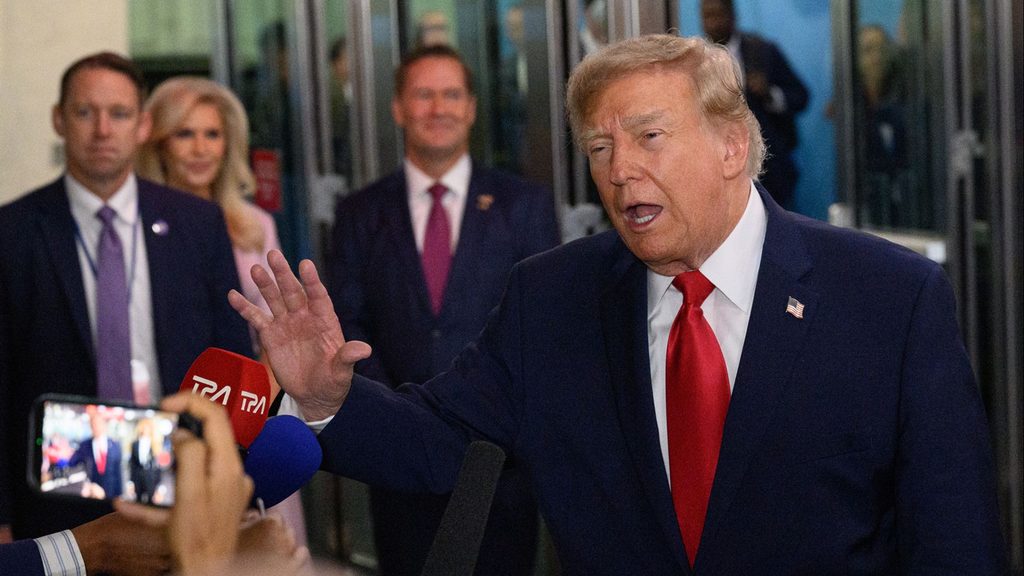
The consequences of the confrontation were already becoming visible before the DOJ filed its defense. CNN had been scheduled to provide television pool coverage for Trump, but after the network was barred from the White House, ABC, CBS, NBC and Fox News declined to replace it and suspended their participation in the shared television pool. That decision produced an unusual problem during Trump's outdoor ceremony unveiling a new White House helipad. Without the normal network pool equipment, the administration relied on its own video feed while the sound of a nearby helicopter overwhelmed Trump's remarks, leaving much of what he said effectively inaudible to viewers. An official pool report similarly noted that the reporter present «couldn't hear what he said over the sound of the helicopter.» The episode illustrated the practical role played by independent television crews, whose cameras, microphones and technicians normally provide footage that can be distributed broadly to news organizations covering the president.
The dispute followed Trump to the United Nations the next morning, where the White House ban had no authority over credentials issued for the international gathering. CNN chief White House correspondent Kaitlan Collins was therefore able to cover Trump as he arrived for his General Assembly address. Collins called out a question about CNN polling showing that roughly two-thirds of Americans did not believe the United States was winning the war with Iran and asked when the conflict would end. Trump instead focused on her presence. «It's an honor to be here, I'm surprised that CNN is here covering me. You should not be here covering me. You said you weren't going to cover me. You shouldn't be covering me,» he told Collins. She responded, «The United Nations allowed us in, sir.» CNN had not announced that it would stop covering Trump; the dispute involved the television networks suspending shared pool duties after CNN was excluded. Trump then moved on without answering Collins's question about the war.
«Such reporting directly raises national security concerns.»
– U.S. Department of Justice
Trump escalated the personal confrontation afterward with another Truth Social post attacking Collins and the networks while also criticizing the judge overseeing the White House access case. «All of the SLEAZEBAGS, like Third Rate “Reporter,” Kaitlan Collins, of Fake News CNN, a truly unhappy person, said they weren't going to be covering me. Then why were they ranting and raving like Lunatics, in the Press Area, at the United Nations? Why was she there?» Trump wrote. He continued, «She's got a “TRUMP” addiction, and so does CNN and MSDNC. They're all sick, treasonous, and demented!» Trump then returned to the legal fight, attacking Judge Timothy Kelly as «totally disloyal.» Behind those increasingly personal attacks is a consequential constitutional dispute: the DOJ is asking a federal court to accept the administration's national-security justification for excluding CNN, Politico and MS NOW, while the organizations argue that Trump is retaliating against protected journalism. Kelly must now consider whether the administration can lawfully keep the three outlets out while that broader case proceeds.
Created by humans, assisted by AI.
 Trump's awkward “My wife is here” remark raises eyebrows during Ireland trip with aide Natalie Harp
 Donald Trump Jr.'s weekend-long Bahamas wedding celebration reportedly paid for by Russian oligarch close to Putin