

/https%3A%2F%2Fcdn-tor.buminteractif.com%2F2026%2F05%2F13ce2717-d3f3-4e4c-a3fa-701593e6d3ff.jpg)
- The internet was slow and noisy. Its uses were limited.
- Forums and chat rooms created online communities.
- Personalized profiles spurred creativity.
- These practices have influenced how we use the internet today.
- Some of it has disappeared, but it still exists in other forms.
Introduction
The early days of the Internet—the era of modems, forums, and DIY profiles—left a lasting mark on how we communicate, create, and entertain ourselves. Slower and often chaotic, it nevertheless fostered social learning and techniques that still shape our practices today. In this article, we'll revisit the key milestones of this era, explain why they matter, and explore the lessons they offer for understanding the contemporary web.
The technical context: the role of the modem and availability
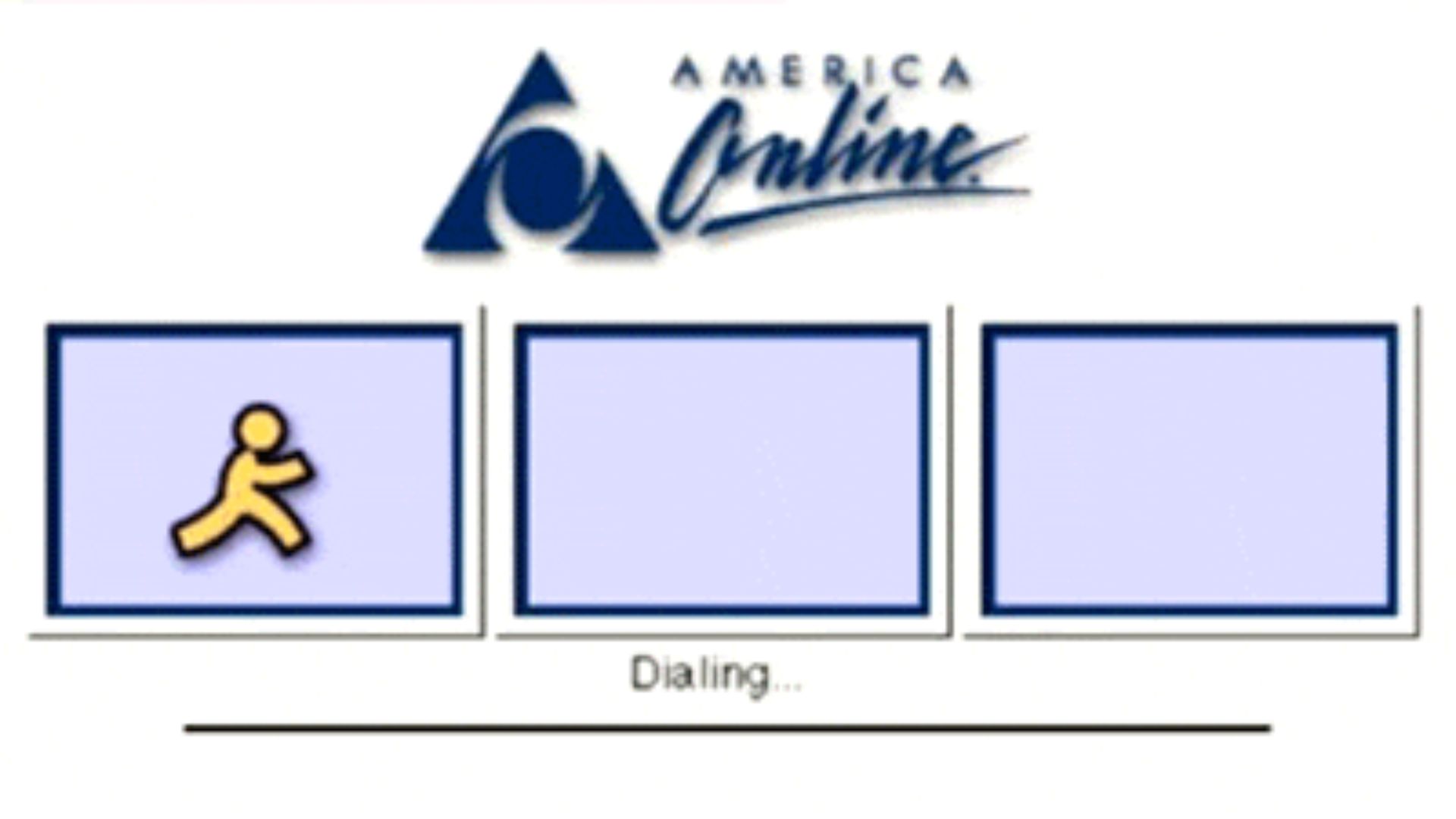
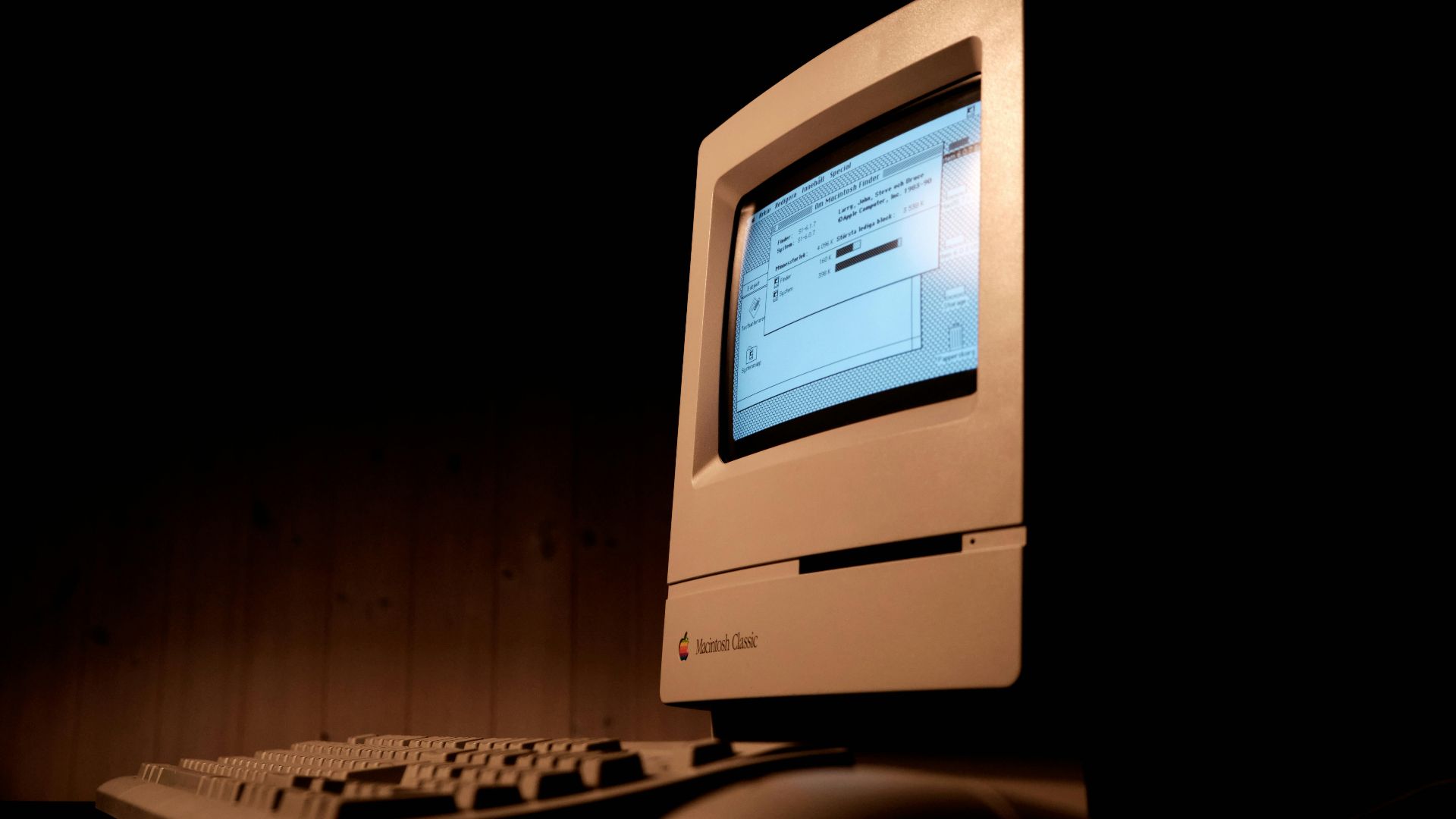
It all began with this little ritual: plugging in the computer, initiating the connection, and listening to the modem “sing.” This characteristic sound (beeps, whistles, a dubious negotiation of protocols) was not just an acoustic curiosity; it was a testament to a shared technology: the telephone line. Dependence on a single line meant that Internet use was often negotiated within the household. This constraint had two significant effects: it limited the duration and frequency of sessions (making access more precious) and it encouraged more focused use: people didn't stay online out of habit; they came for a specific task.
Spaces for conversation: forums, chat rooms, and instant messaging
Before the ubiquity of social media, forums, IRC chat rooms, and messaging services like AIM were the places where the first online communities formed. These spaces had their own norms (signatures, avatars, usernames) and fostered the creation of small cultural worlds: music niches, gaming communities… Partial anonymity offered freedom of expression, but it also posed security issues. Nevertheless, these interactions taught a generation how to structure debates, build relationships from a distance, and craft a digital identity that was often more creative than today's.
The DIY culture: personal pages, counters, and visual effects
Personal pages were teeming with glittering effects, visitor counters, and auto-playing music. This aesthetic might have seemed kitschy, but it reflected an era when the Web was seen as an open playground for experimentation: there was no need to align your page with a design guide; you could decorate it however you liked. MySpace, for example, unleashed textual and visual creativity that allowed many to learn HTML and layout simply by editing their profiles. This engagement with code and customization fostered valuable technical skills and creative autonomy.
Social and Cultural Consequences
- Early learning of online codes: emoticons, abbreviations, and unwritten rules.
- Assertion of diverse digital identities through usernames and profiles.
- The emergence of sharing practices (CD compilations, link exchanges, recommendations) that paved the way for the culture of streaming and playlists.
What Has Disappeared (and What Remains)
We have lost the ritual of waiting for pages to load and the local nature of Internet sessions, but we have inherited constant connectivity. Certain qualities of the early Web—raw creativity, passionate micro-communities, hands-on coding—are becoming increasingly rare in the face of centralized platforms. However, we still see echoes of this today: Discord servers, personal blogs, and retro worlds (retro-gaming, neo-MySpace) show that these practices still hold value.
Conclusion
Looking back at the Internet of the 1990s and 2000s isn't just about feeling nostalgic: it's about understanding how technical constraints and cultural choices shaped the ways we connect, create, and consume. The sounds of modems, blinking web pages, and chat rooms forged skills and emotions that persist in our contemporary practices. By keeping these moments in mind, we can better grasp what technology offers us and what it erases.
