

/https%3A%2F%2Fcdn-tor.buminteractif.com%2F2026%2F05%2F27195419%2FGettyImages-2276540602.jpg)
Uganda has closed its border with the neighbouring Democratic Republic of the Congo as health officials struggle to contain a rapidly escalating Ebola outbreak caused by a rare strain of the virus that currently has no approved vaccine or treatment. Ugandan authorities announced the emergency border closure on May 27 after several health workers and travellers entering from Congo were exposed to the Bundibugyo strain of Ebola, which has already killed hundreds of people across eastern Congo. The move comes as the World Health Organization warns the outbreak risks spiralling into a much larger regional health crisis amidst armed conflict, mass displacement and collapsing medical infrastructure in eastern Congo.
The outbreak was officially declared a global public health emergency by the World Health Organization earlier this month after cases spread from Congo into Uganda. WHO officials said the Bundibugyo strain had likely circulated undetected for weeks before authorities confirmed the outbreak, significantly complicating containment efforts. As of May 27, Congo had reported more than 900 suspected cases and at least 220 suspected deaths linked to the outbreak, while Uganda confirmed seven cases, including one death. Health officials warned the true numbers may be substantially higher because violence, weak infrastructure and mistrust toward authorities have severely limited testing and contact tracing across affected regions.
“[Closures] push the movement of people and goods to informal border crossings that are not monitored, thus increasing the chances of the spread of disease,”
-World Health Organization
The World Health Organization has also warned that armed conflict in eastern Congo is severely impeding the response effort. WHO Director-General Tedros Adhanom Ghebreyesus called for an immediate ceasefire this week, arguing that violence in the Ituri province is preventing health workers from reaching infected communities safely. Aid organizations reported attacks on medical facilities, shortages of protective equipment and resistance from some local communities suspicious of health authorities. In several regions, humanitarian workers have struggled to trace infected individuals because thousands of civilians continue fleeing violence between armed groups operating throughout eastern Congo.
“Attacks on health facilities make tracking cases and their contacts nearly impossible.”
WHO director-general Tedros Adhanom Ghebreyesus
Uganda border closure
Uganda's border closure is one of the most aggressive containment measures introduced so far during the outbreak. According to Ugandan officials, only essential humanitarian personnel, medical workers and critical food shipments will still be allowed to cross the border. Anyone permitted entry into Uganda from affected areas will face mandatory health screening and a 21-day isolation period. Ugandan authorities stated the measures were necessary after multiple healthcare workers treating Ebola patients in Congo travelled across the border before the outbreak was officially recognized. Officials fear additional undetected cases may already exist inside Uganda because of the large volume of cross-border movement between the two countries.
This latest outbreak has become one of the most serious Ebola emergencies in years, largely because the Bundibugyo strain currently has no approved vaccine or targeted treatment. Unlike previous Ebola outbreaks caused by the Zaire strain, which vaccines and therapies now exist — health workers confronting the Bundibugyo variant are relying primarily on isolation, supportive care and contact tracing to slow transmission. WHO officials warned the lack of medical countermeasures dramatically increases the risk of wider spread, particularly in eastern Congo where healthcare systems are already overwhelmed by conflict and displacement.
International responses
The international response has intensified over the past week as governments introduce travel restrictions and emergency health measures aimed at preventing the virus from spreading further globally. The United States announced enhanced airport screening and entry restrictions for travellers hailing from the Congo, Uganda and South Sudan. Canada also introduced temporary border measures suspending immigration documents for residents of countries deemed ‘high-risk' while also requiring mandatory quarantine for travellers entering Canada after visiting affected areas within the previous 21 days. Health officials in multiple countries stressed that the risk to the broader public remains low but warned the severity of Ebola requires aggressive precautionary action.
Ebola virus transmission facts
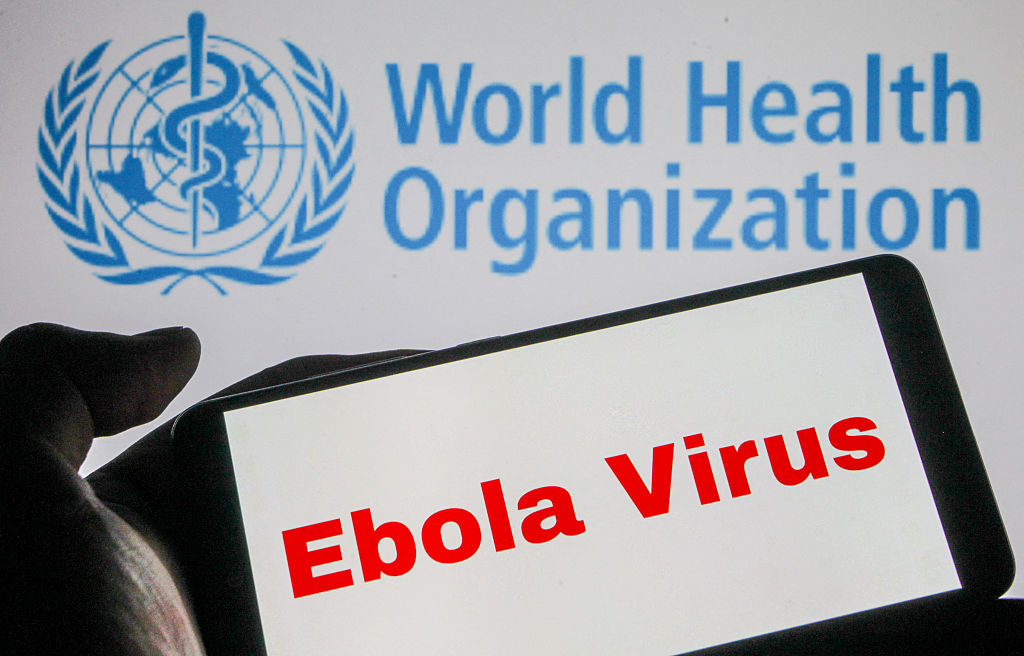
Health officials continue emphasizing that Ebola spreads through direct contact with bodily fluids from infected individuals, and is not transmitted through the air like COVID-19. Symptoms typically include fever, vomiting, diarrhea, weakness and internal or external bleeding in severe cases. Authorities stress that fear, misinformation, and distrust could worsen the outbreak significantly if infected individuals avoid treatment or continue moving between communities undetected. WHO officials warned that densely populated urban areas and major transportation routes near the Uganda-Congo border now represent some of the highest-risk zones for wider regional transmission.
Despite growing alarm, international health agencies insist the outbreak can still be contained if resources and coordination can improve quickly. WHO officials have urged governments to avoid panic while increasing support for frontline medical teams operating inside Congo and Uganda. However, with cases continuing to rise, borders closing, and health systems straining under the pressure, officials increasingly fear the outbreak may already be outpacing the world's ability to stop it.
