Chernobyl Shield No Longer Containing Radiation After Drone Strike Blamed on Russia


/https%3A%2F%2Fcdn-tor.buminteractif.com%2F2025%2F12%2F08193843%2Fchernobyl-getty-45384fgdnjksi.jpg)
The massive multilayered confinement structure built by European partners and completed in 2019 was engineered to seal in the radiation produced by the melted-down nuclear fuel at Chernobyl, restoring long-term safety after the collapse of the plant's original sarcophagus. According to the International Atomic Energy Agency:
«The inspection mission confirmed that the [protective structure] had lost its primary safety functions, including the confinement capability,» a stark conclusion that underscores how severely the February drone strike has undermined the New Safe Confinement's role in containing radiation at Chernobyl and in protecting the wider region.
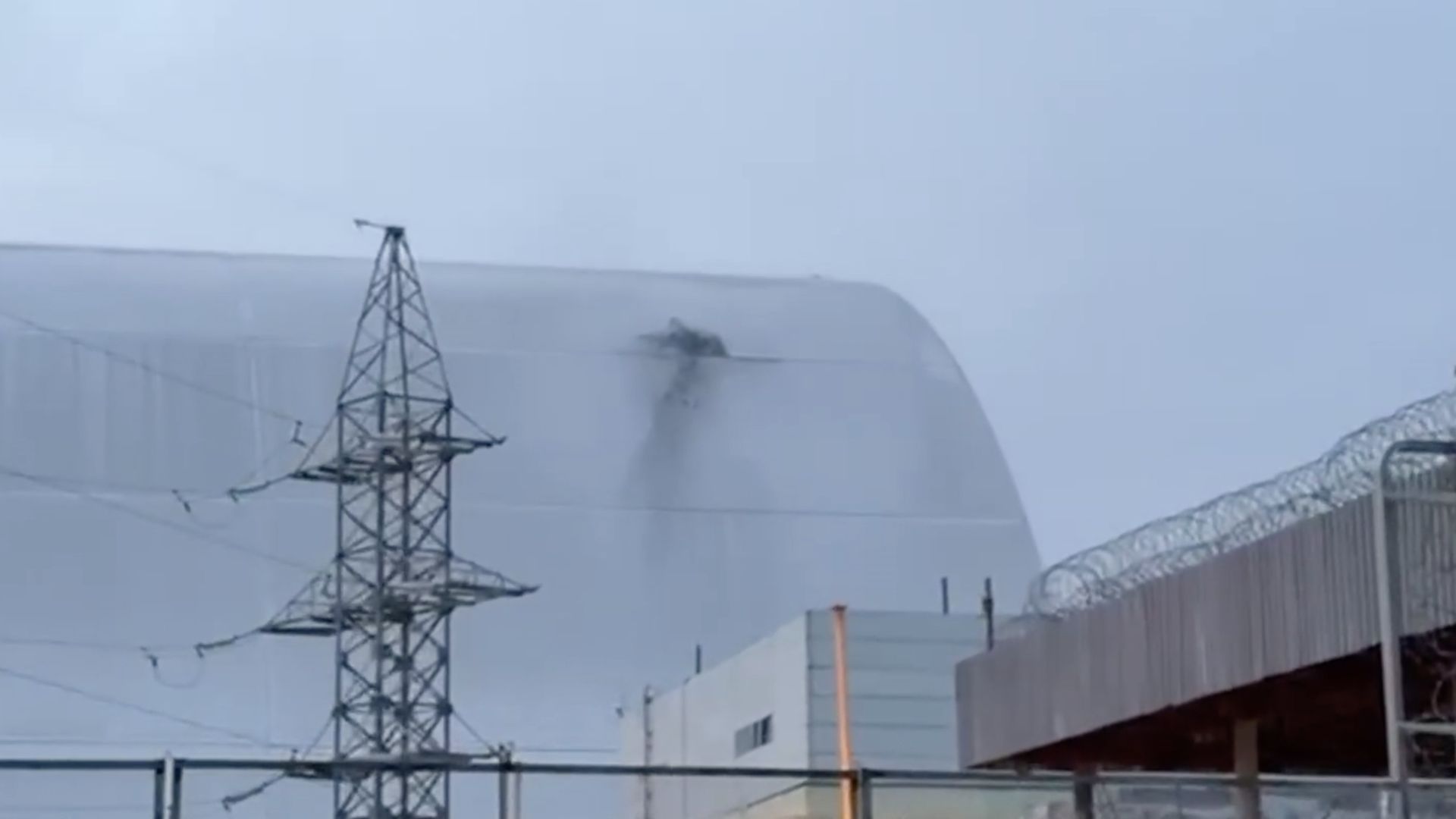
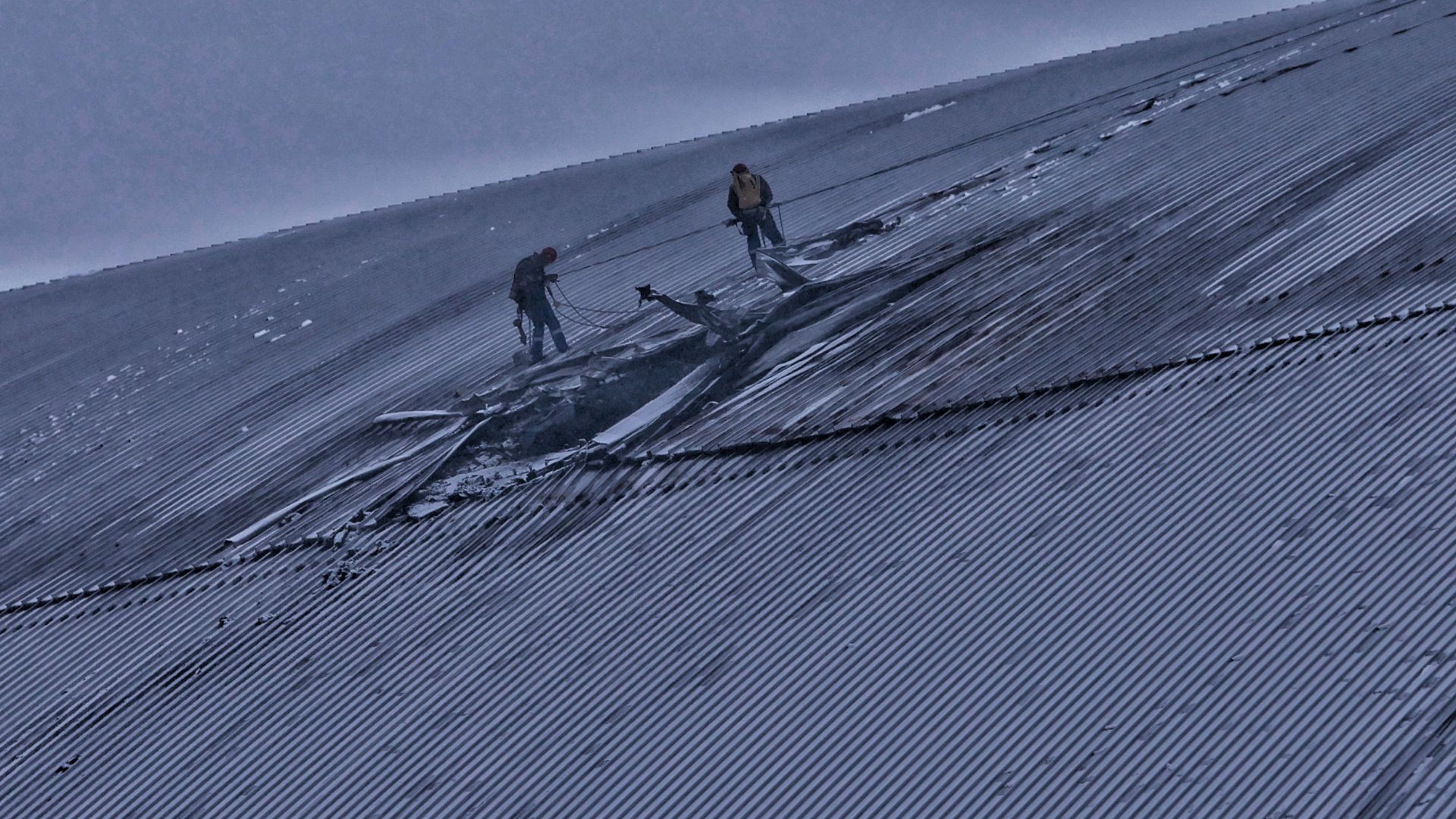
In the early hours of February 14, a combat drone struck the New Safe Confinement arch over Chernobyl's ruined Reactor 4, hitting the roof of the steel shelter some 80 metres above the ground and triggering an explosion and fire in the outer cladding of the structure. Ukrainian officials said the attacking UAV was a Shahed-type drone carrying a «high-explosive warhead» and blamed Russia for deliberately targeting the site, an accusation Moscow has denied. IAEA staff already stationed at Chernobyl reported hearing the blast and later confirmed that firefighters spent days tackling smouldering insulation and other flammable material trapped between the shield's inner and outer shells, after a hole estimated at tens of square metres was ripped in the protective skin. Initial monitoring showed no spike in radiation levels outside the plant and inspectors stressed that the main load-bearing structures remained intact, but experts warned from the outset that the strike had compromised key systems and could force costly, complex repairs to restore full containment. Months later, the UN nuclear watchdog and outlets such as CNN and Reuters are now tying that February attack directly to the loss of the shield's primary safety function, underlining how a single drone strike has evolved from an alarming incident into a major, long-term nuclear-safety problem at the site.
Since the start of Russia's full-scale invasion of Ukraine in February 2022, the IAEA has repeatedly highlighted that its staff at Chernobyl and other Ukrainian nuclear sites face limited access, intermittent data feeds, and periods of high alert caused by nearby military activity, turning what should be routine safety monitoring into a constant exercise in risk management and improvisation. The February drone strike sharply intensified these constraints: equipment required for structural assessment, radiation mapping, and roof inspection became harder and more dangerous to deploy, while inspectors had to work under the threat of renewed attacks and with damaged infrastructure. This entrenched uncertainty creates a situation where international experts must rely on partial, sometimes delayed information, making it far more difficult both to reassure the public and neighbouring countries and to accurately forecast the evolving risks associated with the compromised shelter over Chernobyl's destroyed reactor.
The worst nuclear disasters in history
Although radiation levels have not spiked, the psychological and geopolitical impact of the Chernobyl strike is significant, because it revives memories of one of the worst nuclear disasters in history and shows that even a site meant to be sealed and stabilized for the long term can become part of a modern battlefield. The idea that a nuclear disaster site can be struck by a drone — intentionally or accidentally — has triggered debate within NATO, the EU, and the UN about whether existing rules are sufficient and about the need for new norms or demilitarised protective zones around nuclear facilities and radioactive waste sites in conflict areas, so that they are kept off-limits regardless of how the front lines shift or who controls the territory. The February strike could therefore become a reference case in future international law discussions on wartime conduct, critical-infrastructure protection and state responsibility, shaping how the world defines unacceptable behaviour around nuclear sites and how it responds when those red lines are crossed.