Commemorative helmet and Olympic neutrality: what led to Vladyslav Heraskevych’s disqualification


/https%3A%2F%2Fcdn-tor.buminteractif.com%2Fhttps%3A%2F%2Fcdn-tor.buminteractif.com%2Fhttps%3A%2F%2Fcdn-tor.buminteractif.com%2F2026%2F02%2F12195825%2Furkaine-olympic-getty-34534453.jpg)
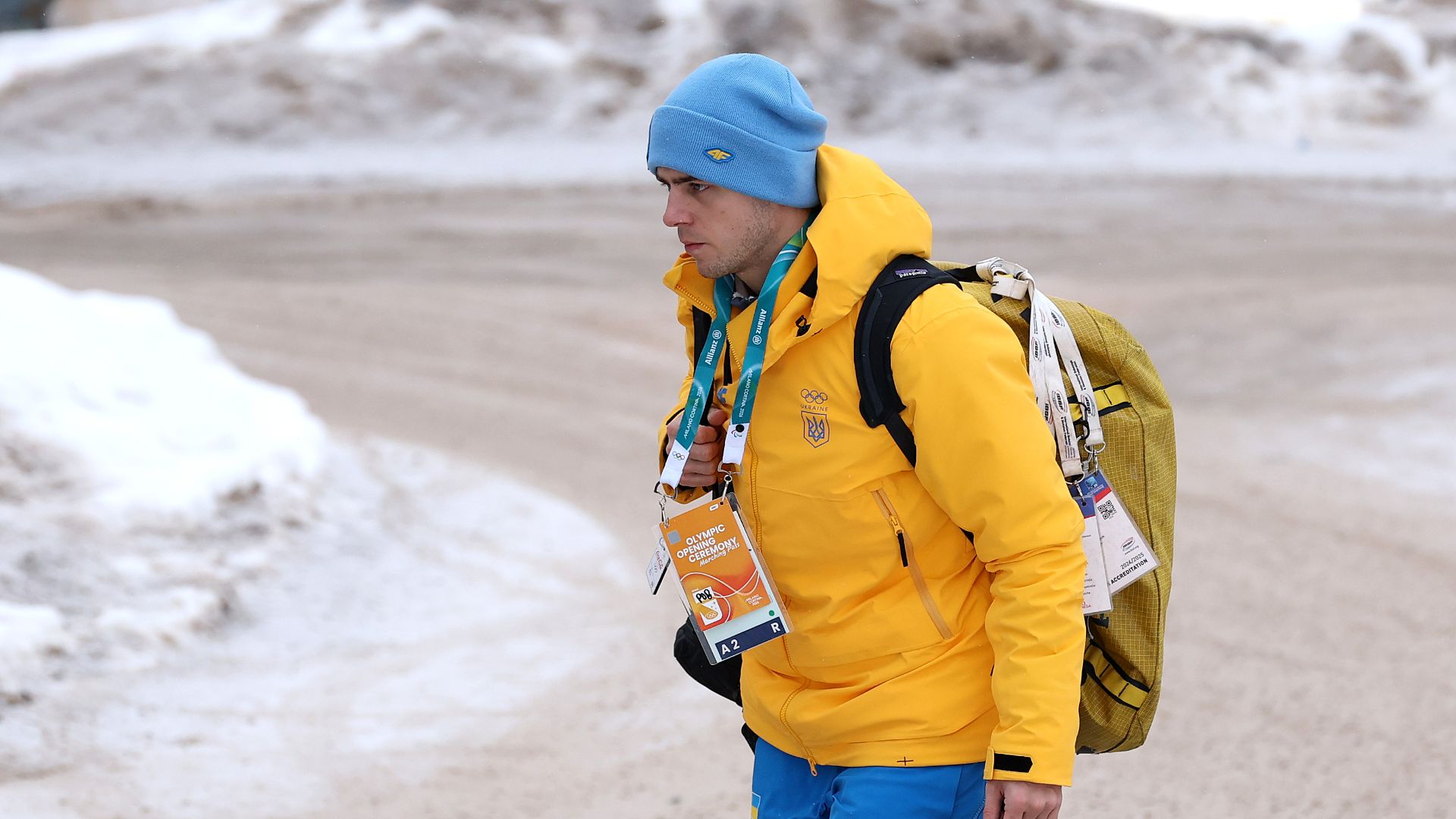
The controversy surrounding the helmet worn by Ukrainian skeleton racer Vladyslav Heraskevych in Cortina d'Ampezzo has sparked heated international debate and reignited the question of where to draw the line between personal tribute and political expression at the Olympic Games. Here is a clear and friendly summary of the facts, the rules at stake, and the emotions that this episode has stirred up.
Moments before his race, Heraskevych appeared wearing a helmet decorated with the portraits of 21 Ukrainian athletes killed in attacks. He explained that he wanted to pay tribute to their memories, not make a political statement. Despite this intention, International Olympic Committee (IOC) officials ruled that the image violated the ban on political expression on the field of play and disqualified him from the event.
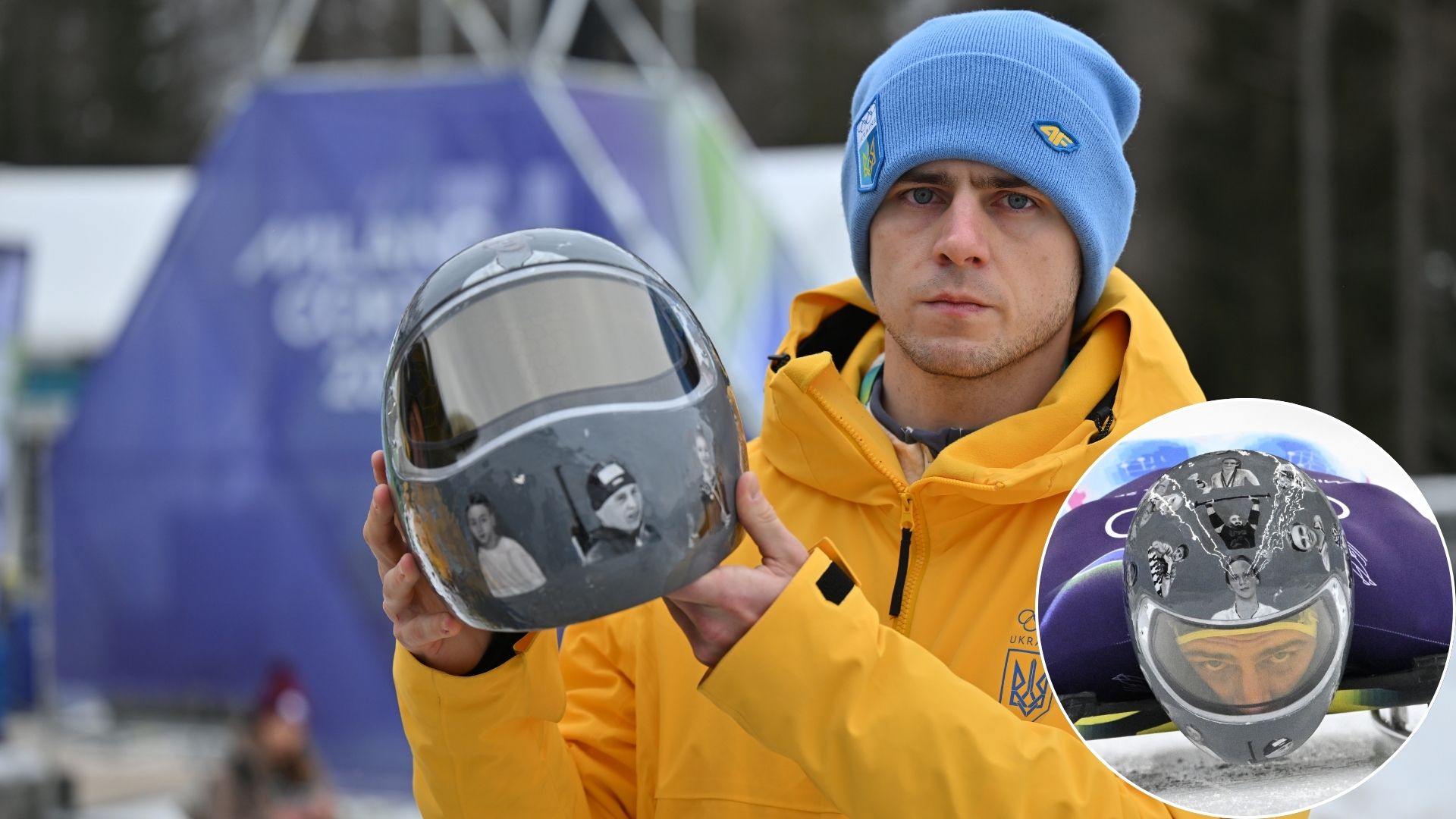
IOC President Kirsty Coventry met with the athlete at the edge of the track before the competition. The discussion, reported to have been emotional, did not result in a compromise acceptable to both parties. The IOC later explained that it had proposed alternatives, such as wearing a black armband or displaying the helmet in media areas after the race — proposals that Heraskevych rejected.
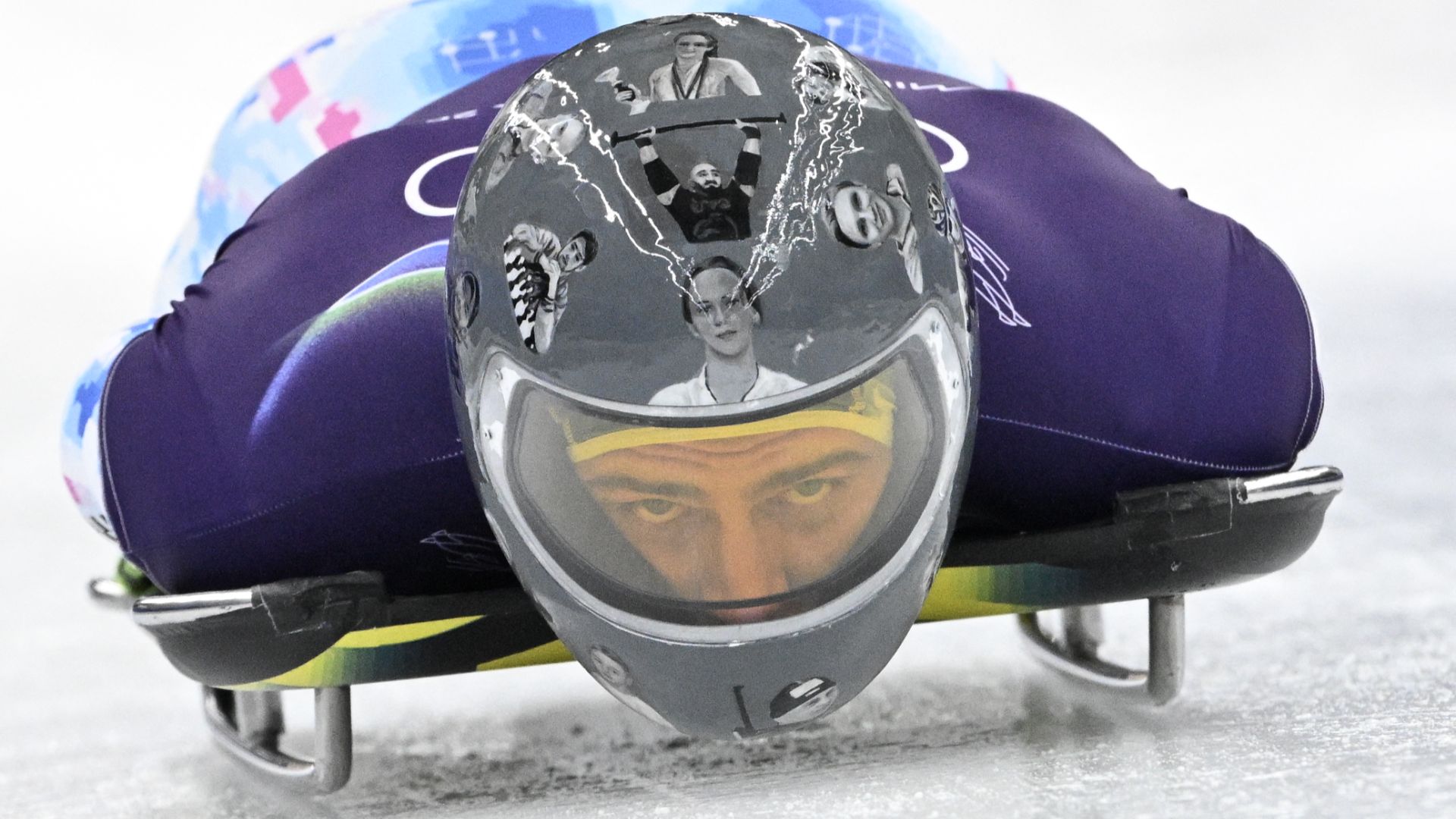
Why did the IOC take action? The IOC bases its decision on a general rule aimed at preserving the “neutrality” of competitions: visible political demonstrations during events are prohibited in order to prevent sporting arenas from becoming platforms for political expression. The IOC spokesperson justified the decision by explaining that the organization had to protect “the sanctity of the playing field” and prevent a situation where each athlete would come with their own visible message. For many—including Ukrainian officials and fans on site—the measure seems harsh. Ukrainian President Volodymyr Zelensky called the helmet a “tribute” and denounced the decision as unfair, saying it was a reminder of the price paid for the country's independence.
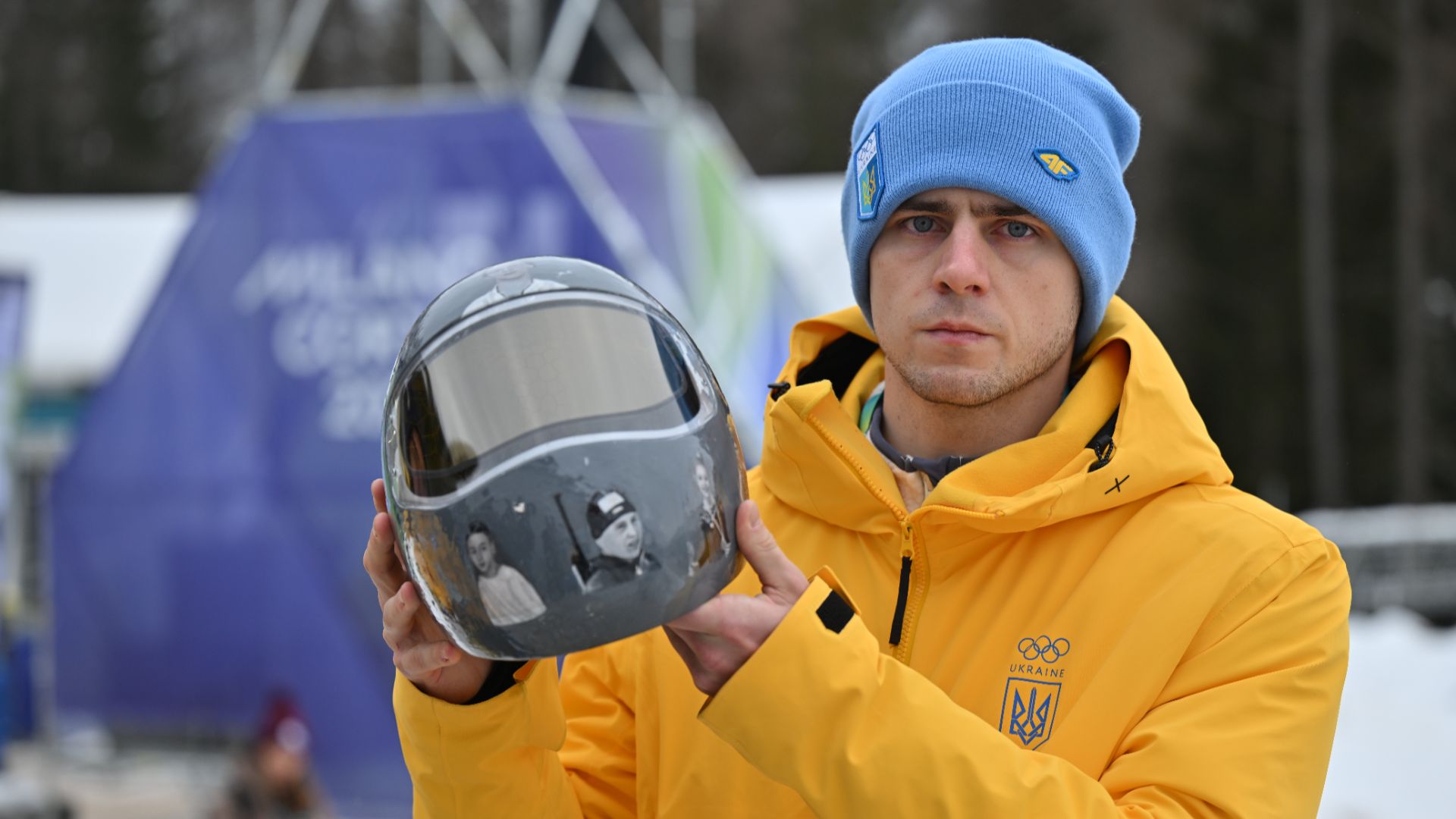
Reactions in the sporting world were mixed: some coaches and athletes expressed their solidarity, believing that depriving a competitor of their race for a gesture of remembrance was excessive. Others pointed out that rules exist precisely to avoid escalation and maintain comparable conditions for all.
- What the IOC says: maintain visible neutrality within the competition venue, offer alternatives that are not visible during the event.
- What the athlete says: it was a tribute to colleagues and friends, not a political statement.
- What observers say: the context of war makes the distinction more sensitive, and the rules may seem insensitive in the face of grief and remembrance.
Beyond the individual case, this episode raises questions about the ability of international rules to adapt to contexts of prolonged conflict. The line between commemoration and political message is not always clear, especially when the victims are civilians or athletes who have died in a contemporary and widely publicized conflict. The Games, which aim to remain a space for peaceful encounter and competition, sometimes face moral dilemmas that are not easily resolved.
What should we take away from this? First, that the IOC rules seek to prevent the political exploitation of competitions, but that they can also give the impression of ignoring human realities. Second, that intermediate solutions—clarification of the rules, context-sensitive review committees, official commemorative spaces outside of competition—could reduce conflicts of this type in the future. Finally, this episode reminds us that sport is never completely separate from the world around it. Even in a spirit of neutrality, the Games are a theater where emotions, memory, and geopolitics intersect. The issue is not simple, but the discussion sparked by Heraskevych's disqualification shows that we may need to rethink the ways in which we express ourselves and commemorate major sporting events.