

/https%3A%2F%2Fcdn-tor.buminteractif.com%2F2026%2F05%2F22165144%2Febola-congo-getty-35423sdfsdf.jpg)
Tensions Explode at the epicentre of the Ebola outbreak in the eastern Democratic Republic of Congo as an furious crowd set fire to Ebola installations at Rwampara General Hospital. Violence Erupts at Ebola Epicenter as Hospital Goes Up in Flames after chaos reportedly erupted when a family «started throwing projectiles» after being refused permission to take away the remains of a relative who had died from Ebola. Health authorities reportedly insisted that because the body remained highly contagious, officials would carry out a controlled burial under strict sanitary protocols. The deceased young man was reportedly a footballer who had played for several local teams, prompting a large crowd of supporters and relatives to gather outside the hospital demanding the release of the body before the situation spiraled into violence and destruction.
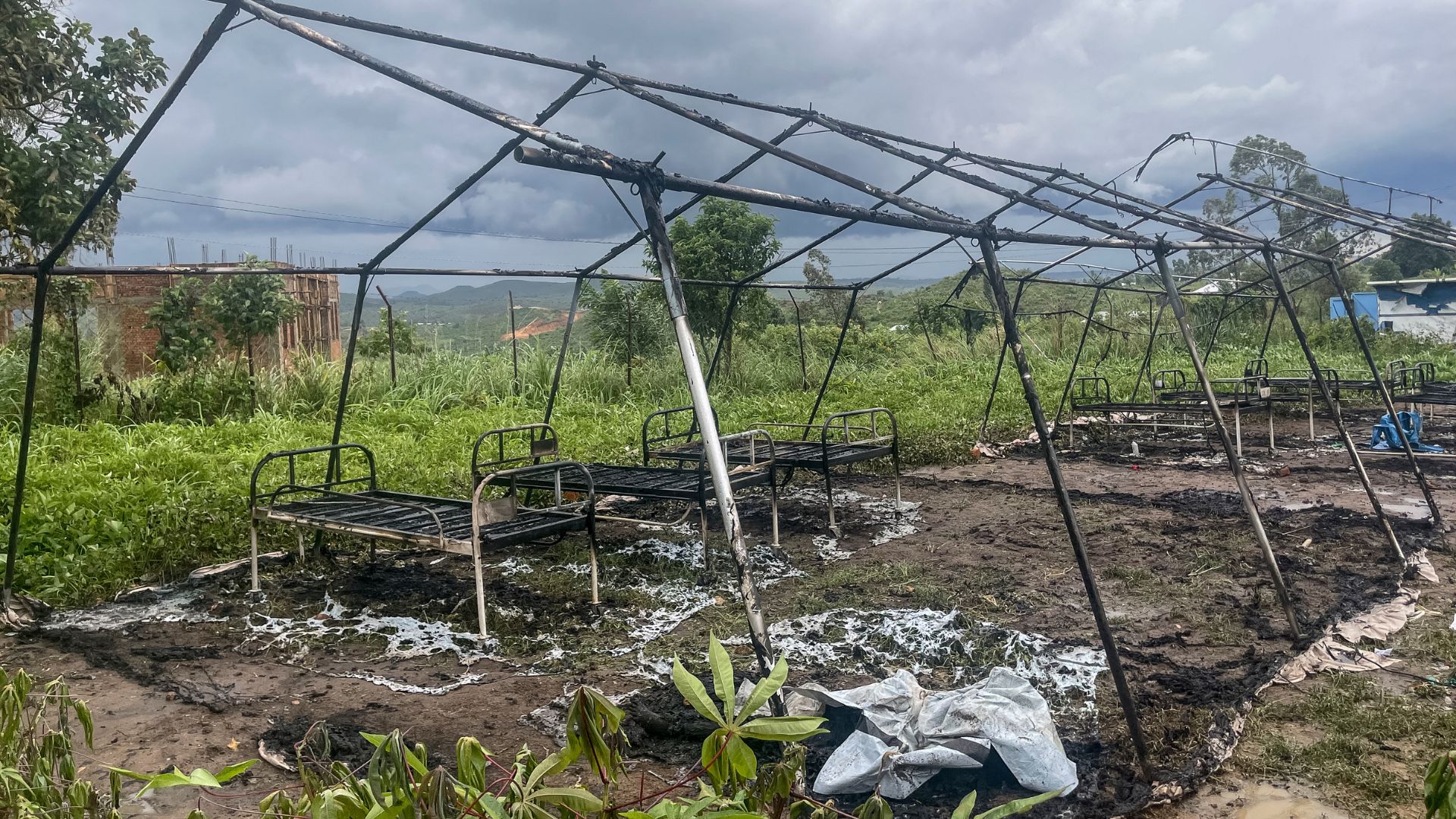
Witnesses described scenes of panic as protesters attacked hospital infrastructure and set fire to tents used to isolate Ebola patients. «They started throwing projectiles at the hospital. They even set fire to tents that were being used as isolation wards,» Luc Malembe, a local politician who witnessed the violence, told the BBC. Videos circulating online appeared to show flames engulfing temporary medical structures while frightened health workers and residents fled the area. Local authorities later confirmed that several medical installations suffered extensive damage during the unrest, complicating emergency response efforts in one of the regions hardest hit by the outbreak. The destruction of isolation wards also raised fears among health officials that contaminated materials could have been exposed or displaced during the attack, potentially increasing transmission risks in surrounding communities already struggling with limited healthcare infrastructure.
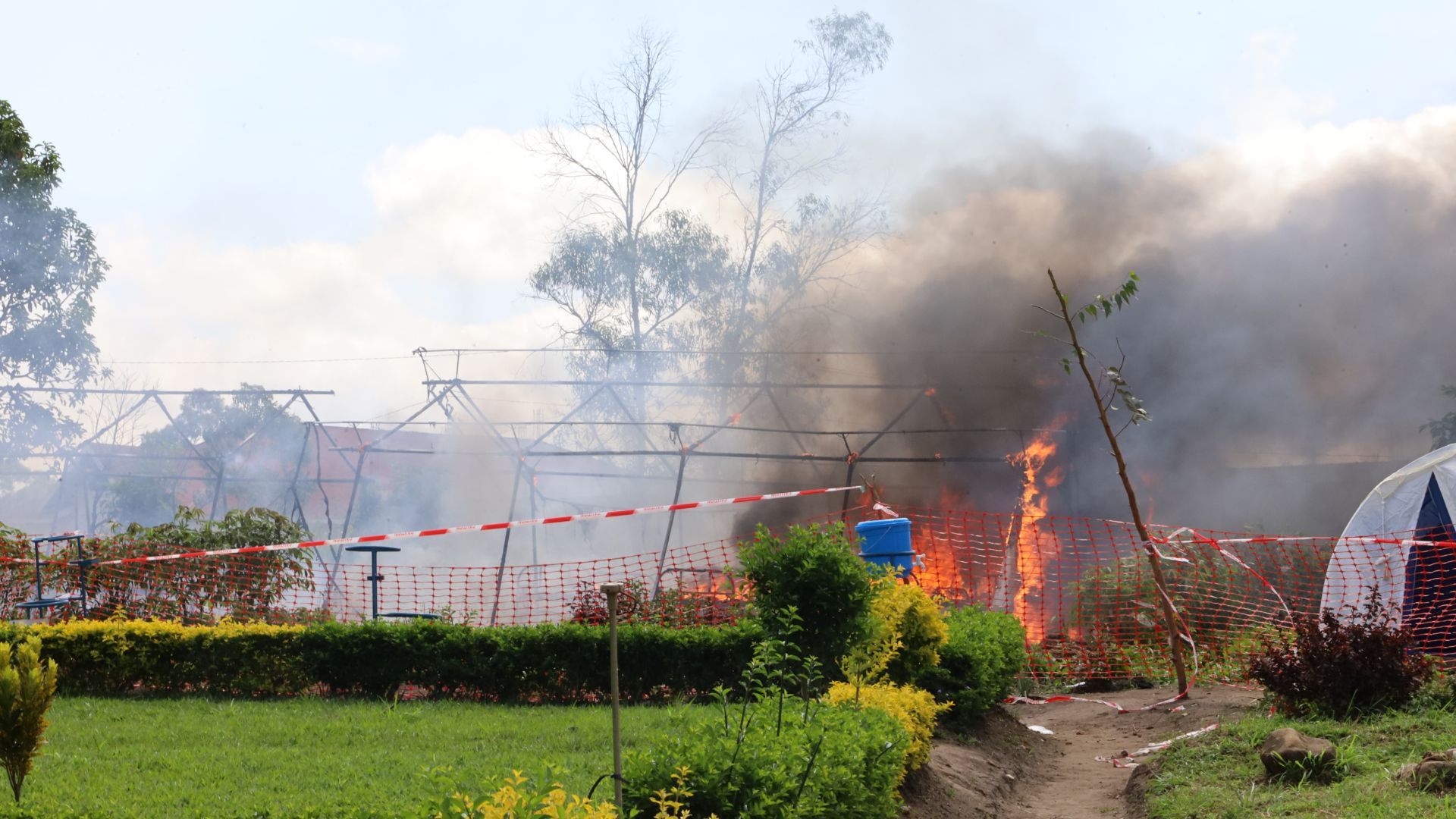
The violence erupted at a moment when international health authorities are scrambling to contain what has rapidly become one of the most serious Ebola outbreaks in years. The World Health Organization officially declared the outbreak in the Democratic Republic of Congo and neighboring Uganda a public health emergency of international concern on May 17. The epidemic is centered largely in Ituri Province and is being driven by the rare Bundibugyo strain of the Ebola virus, a variant for which there is currently no licensed vaccine or approved specific treatment. According to figures released by health authorities on May 22, more than 836 suspected cases and at least 186 deaths have already been reported across affected regions. Officials also confirmed that confirmed infections have now reached major travel hubs including Kinshasa and Kampala, intensifying fears of broader regional spread.
«They started throwing projectiles at the hospital. They even set fire to tents that were being used as isolation wards.»
– Luc Malembe, a local politician
International agencies including the World Health Organization, the Africa Centres for Disease Control and Prevention and the U.S. Centers for Disease Control and Prevention have all intensified surveillance, contact tracing and emergency coordination efforts in response to the escalating outbreak. WHO Director-General Tedros Adhanom Ghebreyesus warned earlier this month that the outbreak remains «a serious public health threat requiring urgent regional and international coordination.» Health teams on the ground have reportedly faced enormous challenges trying to track chains of transmission in areas already destabilized by armed conflict, mass displacement and distrust toward government institutions. Medical workers operating in eastern Congo have also repeatedly warned that misinformation and fear surrounding Ebola continue to complicate efforts to isolate patients, trace contacts and conduct safe burials according to international health protocols.
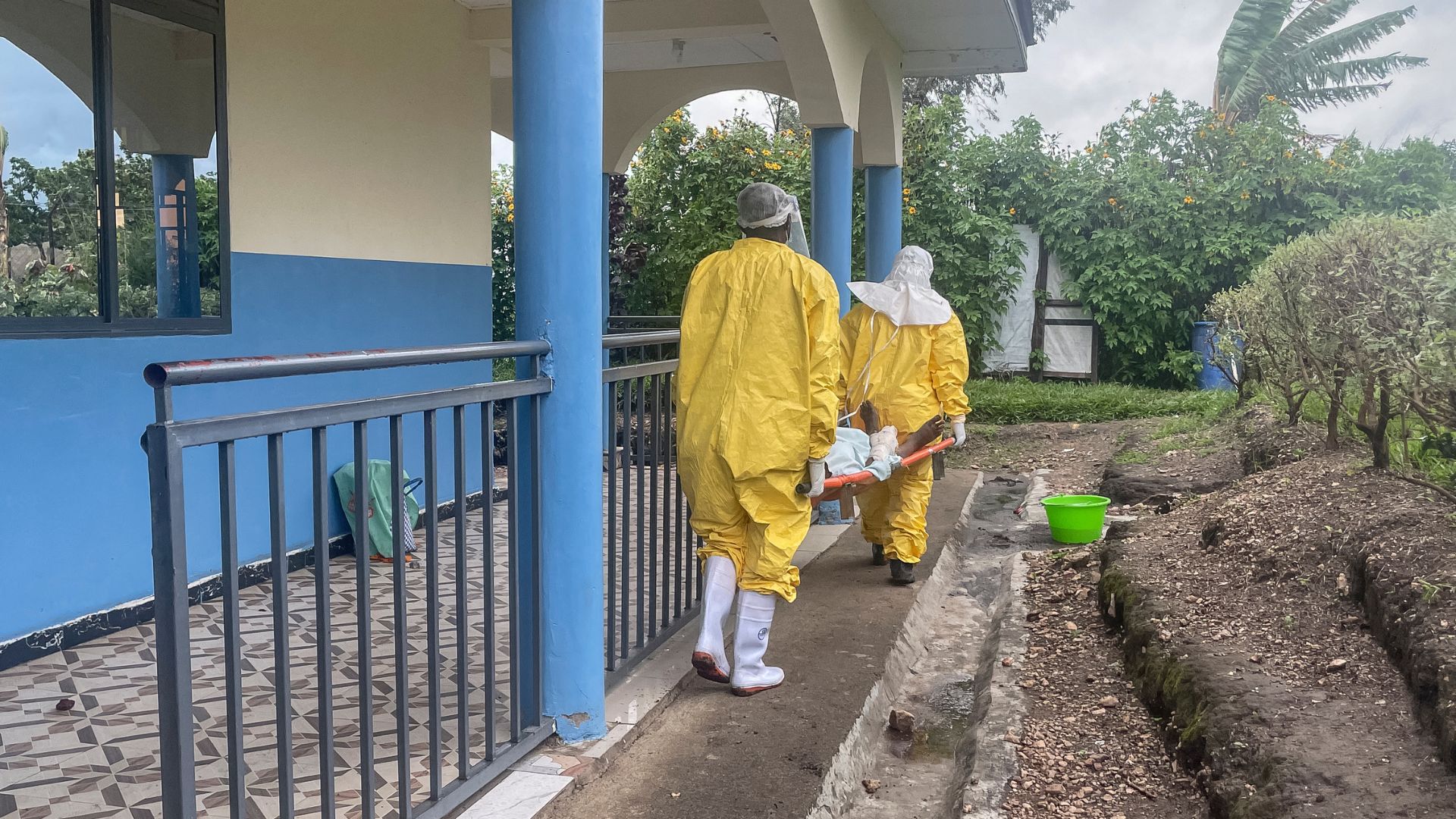
Public anger surrounding Ebola containment measures has repeatedly triggered tensions during previous outbreaks in Congo, particularly when authorities intervene in funeral practices. Under Ebola protocols, victims' remains must often be buried by specialized response teams wearing protective equipment because the virus can remain highly infectious after death. For many families, however, these restrictions conflict with deeply rooted religious and cultural burial traditions. In the latest incident at Rwampara General Hospital, local residents reportedly believed authorities were denying the family the right to properly mourn and bury the young footballer according to local customs. Similar frustrations have fueled attacks on treatment centers and aid workers during previous Ebola epidemics in eastern Congo, where mistrust toward health authorities has often spread alongside the virus itself.
International concern
The latest violence has intensified concerns that insecurity and public unrest could significantly undermine efforts to contain the outbreak before it spreads further across central and eastern Africa. Aid organizations have warned that attacks targeting hospitals or isolation units not only threaten medical personnel but can also disrupt critical disease surveillance systems used to identify infected patients and track potential exposure chains. Congolese officials have since appealed for calm while security forces were reportedly deployed around affected medical facilities to prevent additional attacks. Meanwhile, health workers continue trying to reassure frightened communities as the number of suspected infections grows daily. With no vaccine currently available for the Bundibugyo strain and international concern mounting rapidly, authorities now face the difficult challenge of containing both a deadly epidemic and the growing anger erupting around it.
Created by humans, assisted by AI.
