

/https%3A%2F%2Fcdn-tor.buminteractif.com%2F2026%2F05%2F29170831%2Ftrump-statue-getty453gxfg34234.jpg)
Donald Trump's ambitious makeover of Washington continues to expand as his administration moves forward with a $5 million project to regild four historic bronze statues near Arlington Memorial Bridge. The effort is the latest addition to what critics describe as an increasingly expensive campaign to reshape the appearance of the nation's capital through large-scale monument restorations, new construction projects and cosmetic upgrades. The gilding project comes as the administration seeks billions of dollars in additional funding for Washington beautification efforts ahead of America's 250th anniversary celebrations. Supporters view the initiative as a long-overdue investment in iconic landmarks, while opponents question the growing costs at a time when federal spending remains under intense scrutiny.
The latest project focuses on the towering Arts of War statues, a collection of four monumental bronze sculptures that stand at the eastern entrance of Arlington Memorial Bridge. The statues include Valor and Sacrifice, created by sculptor Leo Friedlander, and Music and Harvest along with Aspiration and Literature, created by James Earle Fraser. Commissioned in 1929, the Art Deco monuments faced years of delays caused by the Great Depression and were ultimately cast in Florence, Italy, before being presented to the United States by the Italian government and installed in 1951. Standing approximately 19 feet tall, the sculptures have become some of the most recognizable yet often overlooked monuments in the capital, serving as symbolic gateways between Washington and Arlington National Cemetery.
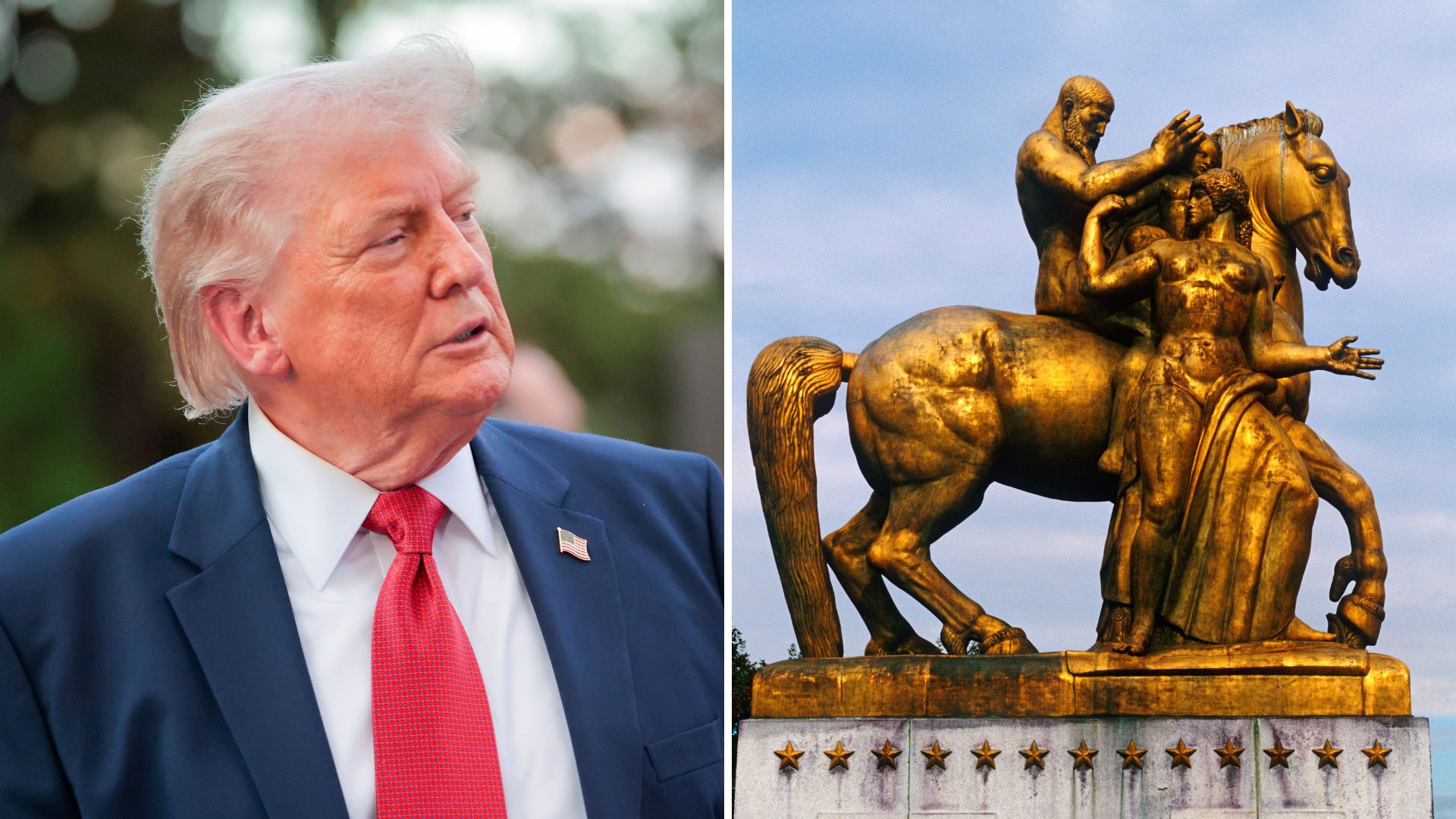
According to the Department of the Interior, the statues are currently undergoing a complete regilding process for the first time in half a century. Responding to questions about the project, an Interior Department spokesperson said: «The Arts of War statues are currently being regilded ahead of our nation's 250. This is the first time in 50 years these statues have been regilded.» Federal preservation records indicate the monuments have required repeated intervention because of the unique characteristics of the porous Italian bronze used in their construction. A major emergency restoration effort was conducted between 1971 and 1974 to address severe deterioration and corrosion, followed by additional preservation work in 1984. Officials argue that the current restoration is necessary to preserve the statues for future generations while ensuring they remain a centerpiece of the America 250 celebrations.
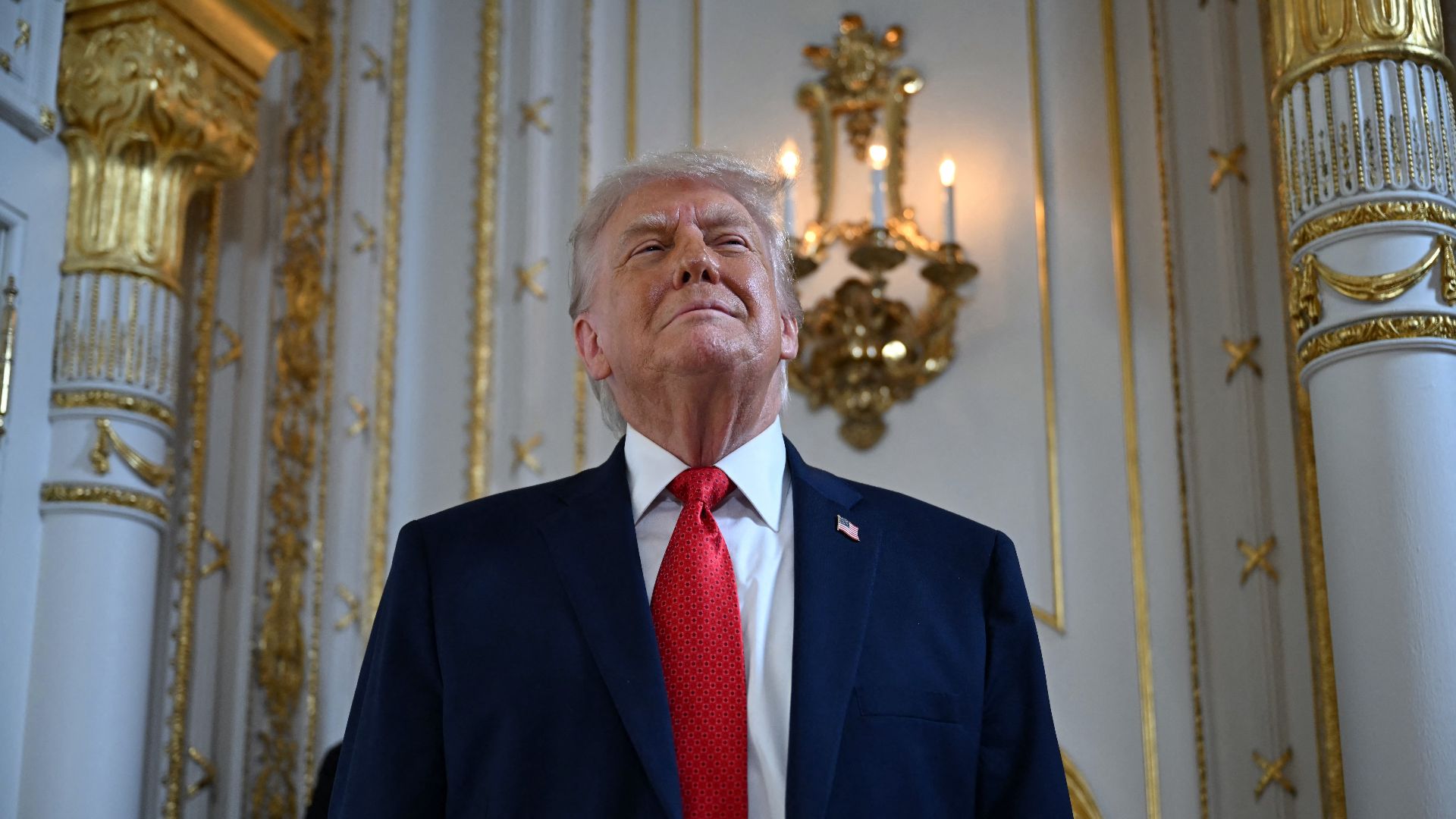
The regilding project forms part of Trump's broader “Make D.C. Safe and Beautiful Initiative,” a rapidly expanding program that has already generated nearly $95 million in monument and beautification spending while serving as the foundation for a congressional funding request approaching $2 billion. Several major projects are already underway or under review. Among them is a $13.1 million renovation of the Lincoln Memorial Reflecting Pool, significantly higher than the $2 million to $3 million estimate Trump initially discussed publicly. The administration is also advancing a proposal for a 250-foot-tall “Independence Arch” inspired by Paris' Arc de Triomphe, a project carrying an estimated cost of $100 million. Additional initiatives include a $3.6 million rehabilitation of Logan Circle and more than $5 million in improvements surrounding the Simón Bolívar statue near the National Mall.
«The Arts of War statues are currently being regilded ahead of our nation's 250. This is the first time in 50 years these statues have been regilded.»
– Statement from an Interior Department spokesperson
The transformation extends well beyond Washington's monuments and public spaces. At a permanent South Lawn helipad designed to accommodate the military's next-generation Marine One fleet.
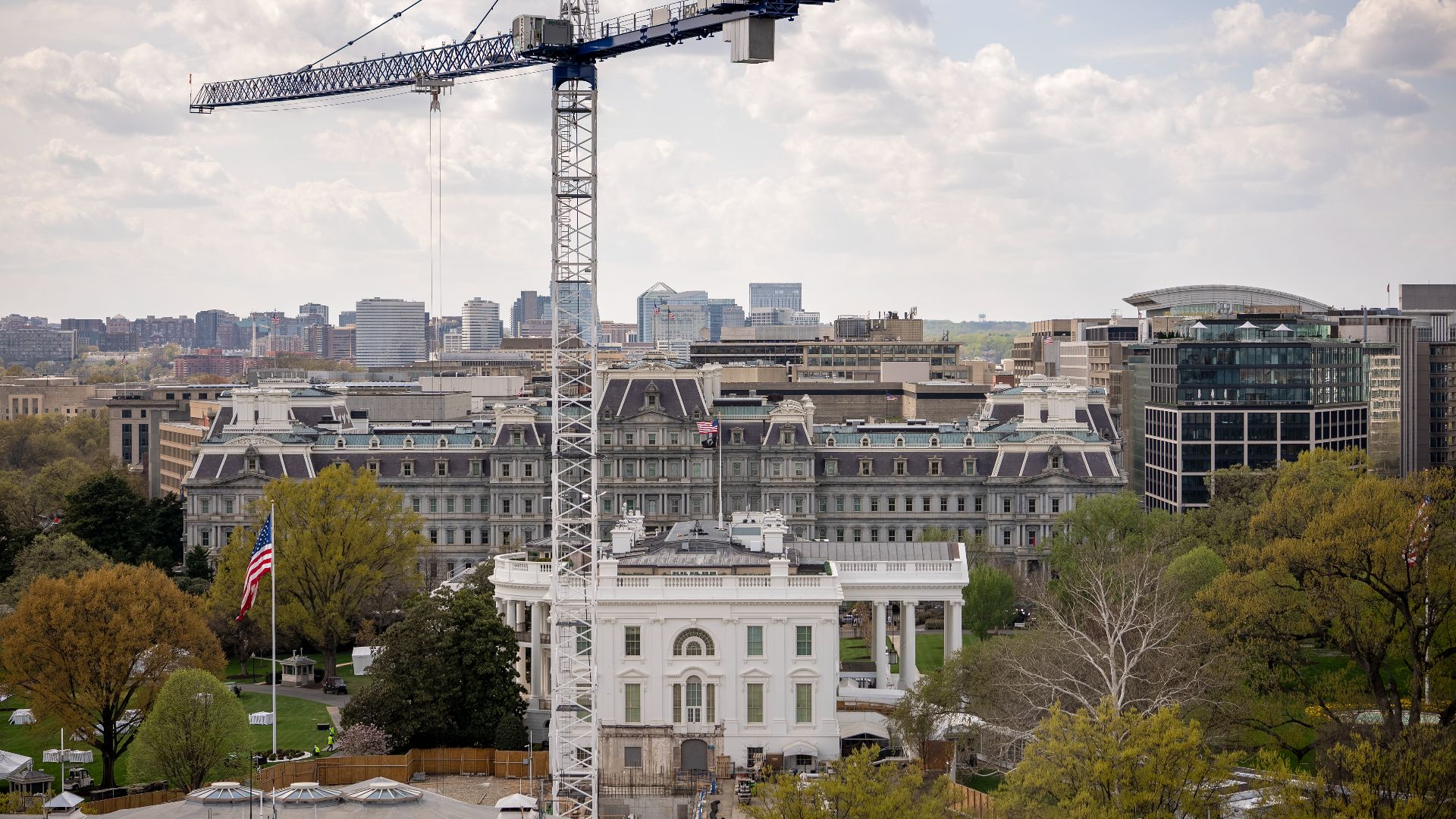
While supporters argue the investments will leave a lasting legacy and help prepare the capital for the nation's semiquincentennial celebrations, critics contend the administration is prioritizing expensive aesthetic projects over other federal needs. The debate surrounding the Arts of War restoration reflects that broader divide. Advocates see the $5 million regilding effort as a necessary preservation project for nationally significant works of art that have suffered decades of weather-related deterioration. Opponents, however, view it as another example of an administration pursuing increasingly costly visual upgrades while requesting billions more from Congress. As crews continue work on the statues and additional projects move through the approval process, Trump's vision for a transformed Washington is rapidly becoming one of the defining architectural and political stories of his second term.
Created by humans, assisted by AI.
