

/https%3A%2F%2Fcdn-tor.buminteractif.com%2F2026%2F01%2F12175425%2FG-Z611yXwAAFEz7.jpeg)
Germany reaffirmed its support for Israel with a new security pact, signed in order to protect both nations from the ‘threat' of Iran and its allies. The agreement was signed in Jerusalem, with German Interior Minister Alexander Dobrindt meeting with Israeli President Benjamin Netanyahu. The new ‘cyber and security pact' focuses on the integration of Israeli and German security agencies, enhanced collaboration in combating cybercrime, and artificial intelligence and drone defense; all done by leveraging Israel's expertise and technology. According to Netanyahu, cyberattacks pose a significant threat to both nations, and Germany is unprepared to handle potential attacks.
The pact follows a recent attack on Berlin's power grid, highlighting vulnerabilities in German security. The agreement primarily denounces the regional threat posed by Iran and its allies, foremost among them Lebanese Hezbollah, Palestinian Hamas and the Houthis of Yemen. The agreement's heavy focus on Palestine and the Middle East has drawn criticism from those opposed to Israel's war on Palestine. Germany let Israel speak for it after the signing, with Israel's foreign minister Gideon Saar claiming that viewing Iran, Lebanon, and Palestine as dangerous cybersecurity threats has long been the opinion of the German government.
Deadly protests in Iran
With Iran in the midst of the deadliest active protest in the world right now, the U.S. and Israel are siding with the anti-government protests. The U.S. is using the fact that Iran's population is largely against the Iranian government's actions to put pressure on Iran. The U.S. almost certainly sees the instability in Iran as an opportunity to implement change in the country, whether that be regime change (as the U.S. is currently conducting in Venezuela) or policy reform (something they've already done in Iran). The Iranian government has killed at least 500 protesters since the demonstrations began on December 28, 2025. The U.S. and numerous other nations have criticized the Iranian government's violent actions against protesters.
With tens of thousands being arrested in Iran's capital, Tehran, and at least 500 more killed, the U.S. threatened intervention in Iran, to which the country replied with a threat of attack. Iran's parliament speaker warned that if the US attacked, both Israel and U.S. military and shipping centres in the region would become legitimate targets for Iranian attacks. It's very possible that this statement is what triggered the security pact signed between Germany and Israel.
Germany and Israel
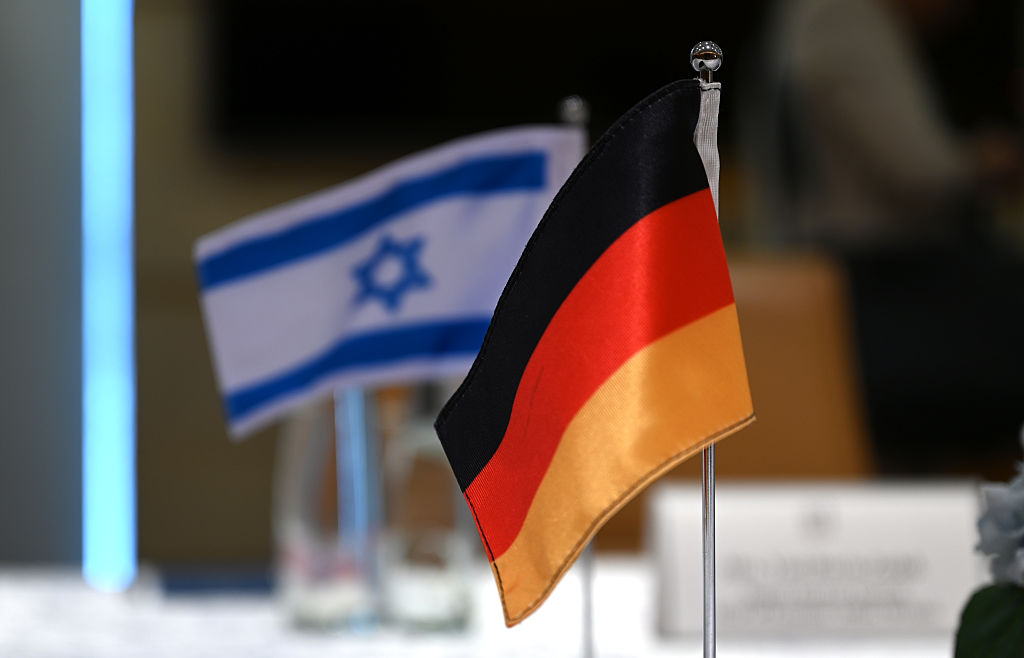
Germany has been a supporter of Israel since its forced installation in Palestine after World War II. Since then, Germany has been trapped by the actions of the Holocaust as one of Europe's strongest supporters of Israel, even with more than 60 years of violence against Palestinians. As of now, Germany is the only country in the European Union to have outright rejected the idea that Israel is committing a genocide in Palestine, even after the UN, Doctors Without Borders, and dozens of other global nonprofits have deemed Israel guilty of genocide. The German government's official position is that it will always stand in strong support of Israel's right to exist and defend itself.
