

/https%3A%2F%2Fcdn-tor.buminteractif.com%2F2026%2F09%2F24173822%2FGettyImages-2296269327.jpg)
According to an exclusive interview with The New York Times, Canadian Prime Minister Mark Carney has examined the risk and possibility of a US military invasion of Canada. After more than a year of aggressive political posturing from Donald Trump and his group of MAGA politicians, it appears that Carney and the Canadian government are entertaining and preparing for the possibility of US military action in Canada. In an interview with The New York Times released on September 23, Carney revealed that he had spent the last year preparing for the risk of a US military invasion of Canada.
US-Canada relations
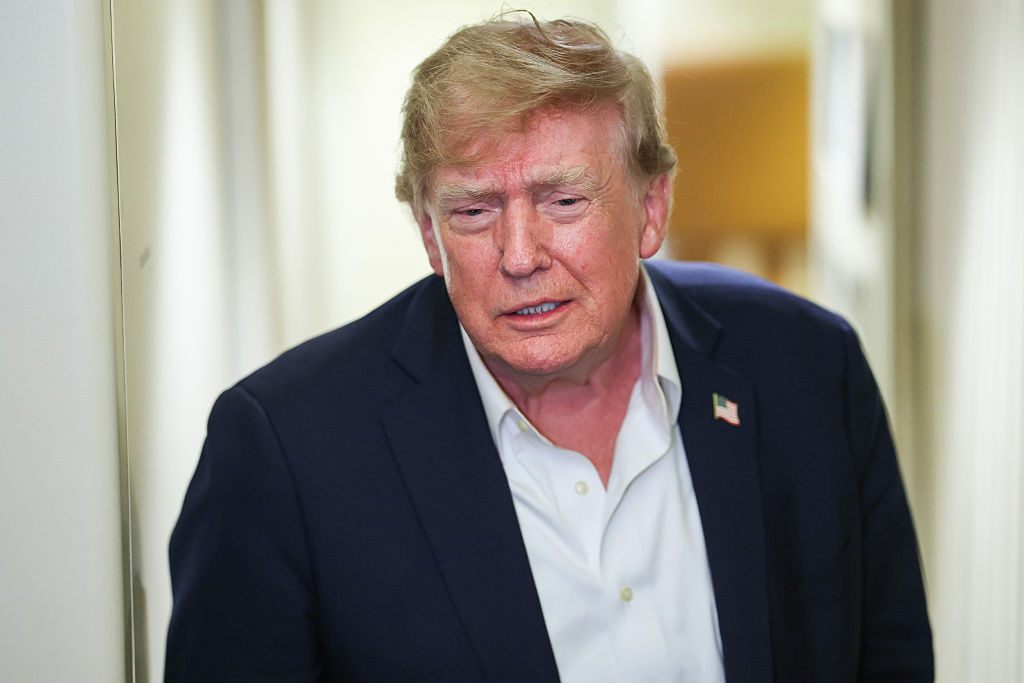
Ever since he was elected for his second term, US President Donald Trump has made his distaste for Canada clear. Donald Trump began his political war on Canada in February 2025, stating that he wanted to annex Canada and turn it into the 51st state. Of course, annexation would certainly require a military coup, meaning that Trump has been indirectly threatening Canada with military action for more than a year. Trump's distaste for Canada apparently stems from his displeasure with the two countries' trade agreement.
Until Trump introduced tariffs in 2025, Canada and the US (alongside Mexico) enjoyed the world's most generous free trade agreement. All three countries benefited enormously from the agreement, but it has been argued that the US and its massive economy were benefiting less than its smaller counterparts in Canada and Mexico. During his first term in office, Trump cancelled NAFTA, the existing trade agreement that had been in place for decades. In its place, Trump spearheaded CUSMA, a new trade agreement that was slightly more beneficial to the US. At the time, Trump called NAFTA the worst deal ever signed. Eight years later, he called CUSMA an awful deal, and while he originally tried to pin it on his successor, Joe Biden, eventually Trump had to admit that it was he who signed this ‘terrible deal'.
I look at some of these agreements, I'd read them at night, and I'd say, ‘Who would ever sign a thing like this?'
Donald Trump on CUSMA; a deal that he spearheaded and signed in 2020
Carney assessing risk of invasion
As Donald Trump continues to slap Canada with mounting tariffs, neither country is sitting at the negotiation table. After Donald Trump threatened French Canada with a series of concessions that would weaken laws dedicated to preserving the language, Mark Carney stepped away from negotiations. When Trump attempted to attack French Canada, it became clear that the US would not be negotiating in good faith, and Carney, choosing to stand by his platform of Canadian unity, drew a line in the sand and stepped away from negotiations. According to the interview with the NYT, Carney and Trump still communicate regularly, but Carney described their relationship as tense.
From my perspective, we have a good relationship in the sense of we can pick up the phone and talk to each other about issues, He's direct. I'm direct in terms of where positions are. It's much more efficient that way, and so you know that exists and that will continue to exist.”
Mark Carney to NYT
When asked about Trump's years-old threats of annexation, and the idea of Canada being forced into becoming the 51st state, Carney revealed that he had been assessing the risks of a US invasion since the threats were initially made. While Carney refused to reveal the details of what Canada would do if it believed a US invasion was imminent, Carney was clear on the fact that Canada was strategically prepared.
“I think you have a responsibility in these roles to look at extreme tail risk. That's just risk management. That's not a base case, but it would be irresponsible not to prepare”
Mark Carney to NYT
Canada's biggest leverage
As Trump's trade war on Canada begins to hurt both countries' economies, Canadians are pushing for a solution to be reached. Now that the trade war has been active for more than a year, and neither party is sitting at the negotiation table, some Canadians are calling on their PM to use Canada's biggest bargaining chip: energy. Canada is responsible for 60 per cent of North America's hydroelectric production and is the third-largest producer of hydroelectricity in the world. So far, Canada has not used tariffs on energy as a bargaining chip, but some Canadians believe that it's time for Canada to pull out the big guns. One of those people is Ontario Premier and leader of the Ontario Conservative Party, Doug Ford.
No matter if it's our electricity that we ship down there, but many other provinces' electricity, and other areas that we can really put pain on the U.S., no matter if it's the oil or if it's potash or if it's uranium.
Doug Ford in August, 2026

Last year, Canada sent 35 terawatt-hours of electricity to the U.S., representing less than two per cent of total U.S. electricity generation and adding $3.4 billion to the Canadian economy, according to RBC. While two per cent is not extremely significant, both New York and Michigan rely on Canadian electricity for more than six per cent of their yearly usage, representing a number that would be difficult to replace. Canada also supplied more than 60 per cent of the US' crude oil imports last year, but Alberta Premier Danielle Smith has shot down any chance of using oil as a bargaining chip. The unfortunate reality for Canada is that the country relies on being a reliable energy hub for the world, and using energy as a trade chip could potentially put that reputation at risk.
