Pete Hegseth Marks D-Day Anniversary in France, Urges Europe to «Do Something» About «That Invasion» of Immigrants


/https%3A%2F%2Fcdn-tor.buminteractif.com%2F2026%2F06%2F08195757%2Fhegseth-345234sdfsdfsdf.jpg)
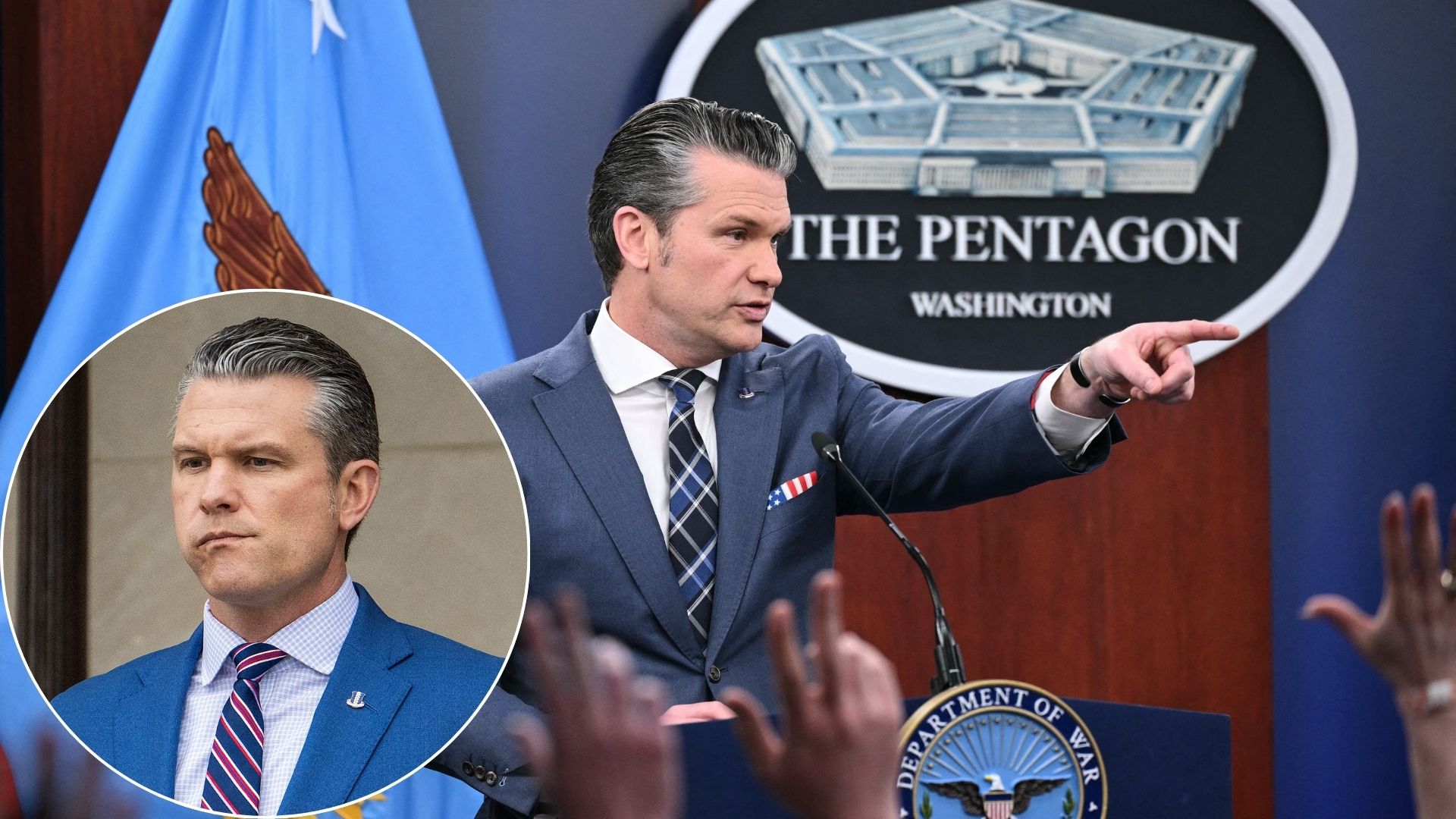
Pete Hegseth's D-Day speech sparked intense controversy and sharp division globally, with critics and historians condemning the remarks as a desecration of the memory of the Allied soldiers who fought and died during World War II. Speaking during D-Day anniversary commemorations in Normandy, the U.S. defense secretary used the historic occasion to warn about immigration and what he described as dangerous ideological threats facing Europe. While supporters argued that Hegseth was highlighting modern security challenges confronting Western nations, opponents accused him of exploiting one of the most significant events of the twentieth century to advance a political message. The remarks quickly spread across social media and triggered fierce reactions from commentators, academics and public figures in Europe and beyond.
During his address, Hegseth drew direct comparisons between the military invasion repelled during World War II and contemporary migration into Europe. «Sadly, today, different European beaches are stormed by different, dangerous ideologies,» he said. He then expanded on the comparison by describing migration routes reaching Southern Europe. «Beaches in Spain, Italy, Greece and Bulgaria, boats and men arrive.» The comments represented one of the strongest immigration-focused speeches delivered by a senior American official on European soil in recent years. Hegseth argued that the challenges currently facing Europe should be viewed as a threat to the freedoms secured by Allied forces during the liberation of the continent.
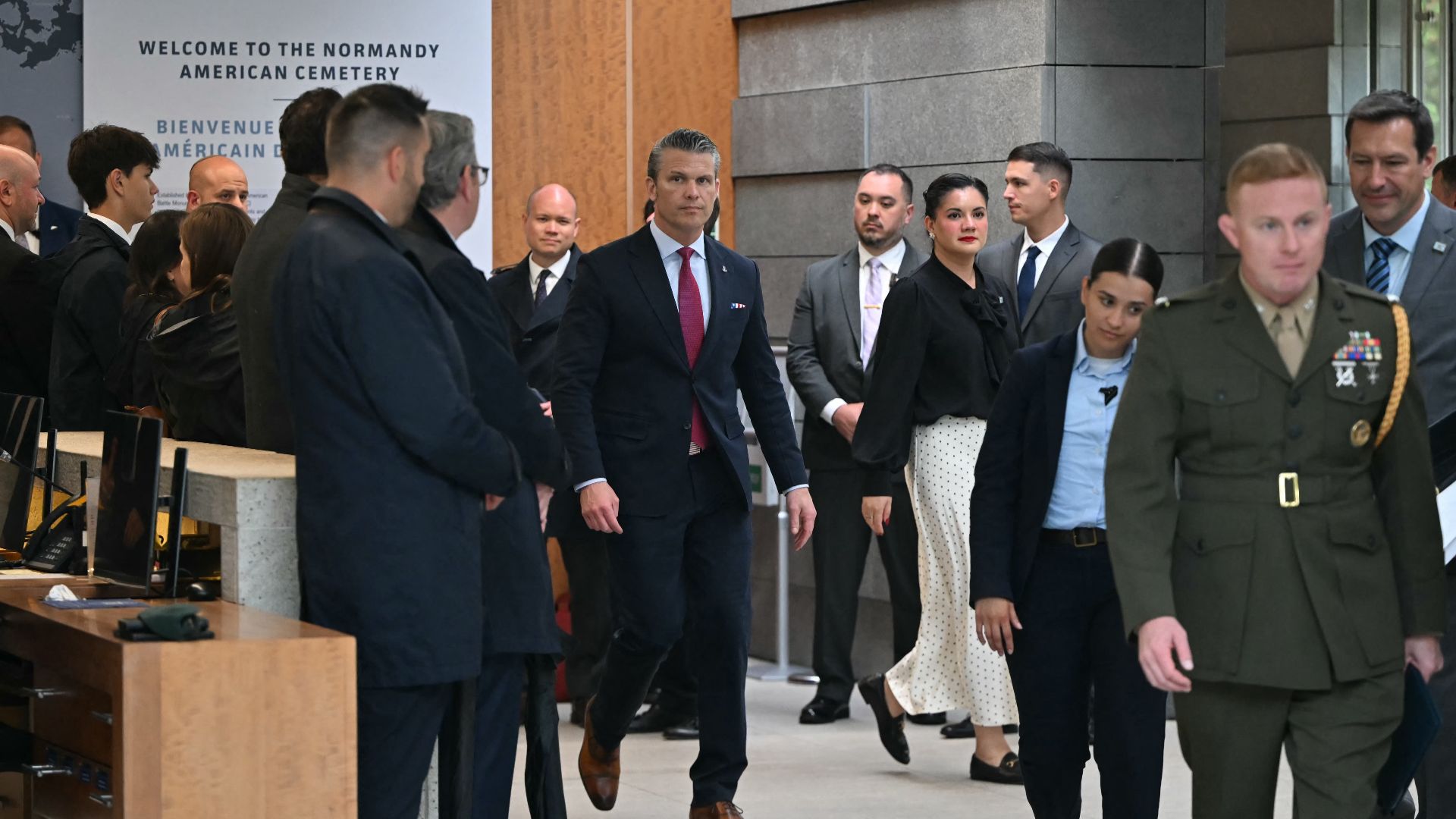
The defense secretary then questioned whether European governments were doing enough to address migration and border security concerns. «When will European capitals do something about that invasion, or is it too late? I pray not, and I believe not.» The use of the word «invasion» immediately drew criticism from opponents who argued that the language echoed rhetoric frequently used by anti-immigration movements. Hegseth nevertheless continued his argument by linking modern political debates to the sacrifices made during World War II. His comments came at a time when immigration remains one of the most divisive political issues across Europe, influencing elections and public policy debates in multiple countries.
«Sadly, today, different European beaches are stormed by different, dangerous ideologies.»
-U.S. Defense Secretary, Pete Hegseth
Throughout the speech, Hegseth repeatedly returned to the legacy of D-Day and the sacrifices made by Allied forces. «The men who fought and died here restored freedom to Europe,» he said. He then argued that preserving those freedoms requires continued vigilance from current leaders and military personnel. «That freedom must be maintained by this generation of leaders and war fighters, or what they fought for was merely temporary.» Supporters of the speech viewed those comments as a call for Western governments to defend national sovereignty and security. Critics, however, argued that invoking the memory of D-Day veterans in a debate over immigration fundamentally altered the historical meaning of the commemorations.
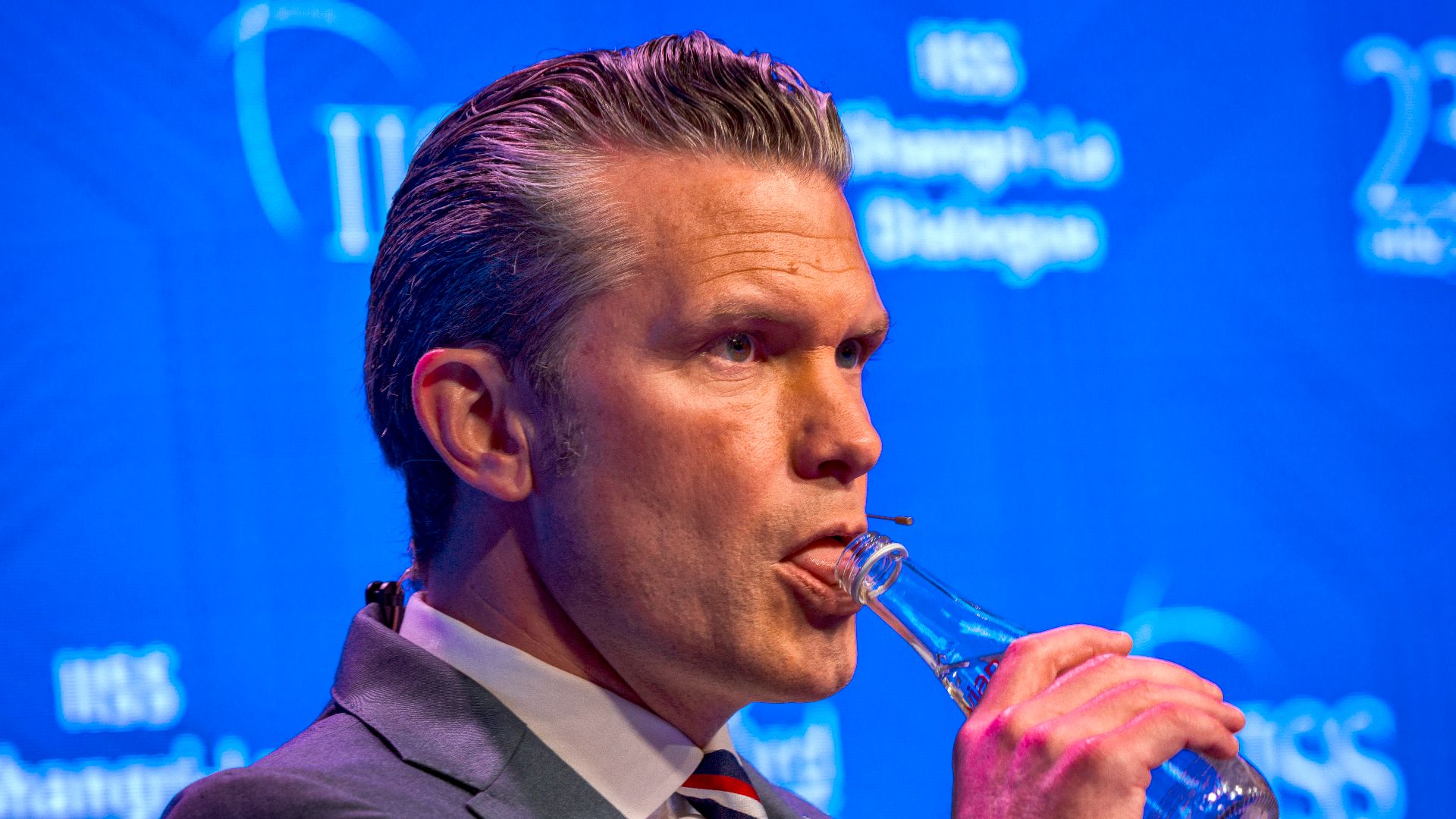
The backlash was swift after videos of the speech circulated online. Moritz Brake of the Center for Advanced Security, Strategic and Integration Studies was among those who sharply criticized Hegseth's remarks. Speaking to NBC News, Brake said there was a «dark irony on the day that commemorates efforts made by Americans to liberate Europe from hypernationalism… that Hegseth combines a message on immigration that in turn revives nationalism across Europe». The criticism reflected a broader concern among historians and political analysts who argued that comparing immigration to military invasion risked inflaming tensions and undermining the historical significance of the Normandy landings.
«When will European capitals do something about that invasion, or is it too late? I pray not, and I believe not.»
-U.S. Defense Secretary, Pete Hegseth
Daniel Seidemann, an Israeli human rights lawyer, delivered one of the strongest rebukes of the speech. He described Hegseth's remarks as «an obscene desecration of the memories of those who stormed the beaches of Normandy, and especially of those who fell». Similar reactions emerged across social media and in opinion pieces published throughout Europe and North America. While supporters praised Hegseth for addressing concerns about border security and migration, critics argued that the D-Day commemorations should remain focused on honoring the Allied soldiers whose sacrifices helped defeat Nazi Germany. The controversy ensured that Hegseth's speech became one of the most discussed moments of this year's Normandy anniversary ceremonies.
Created by humans, assisted by AI.
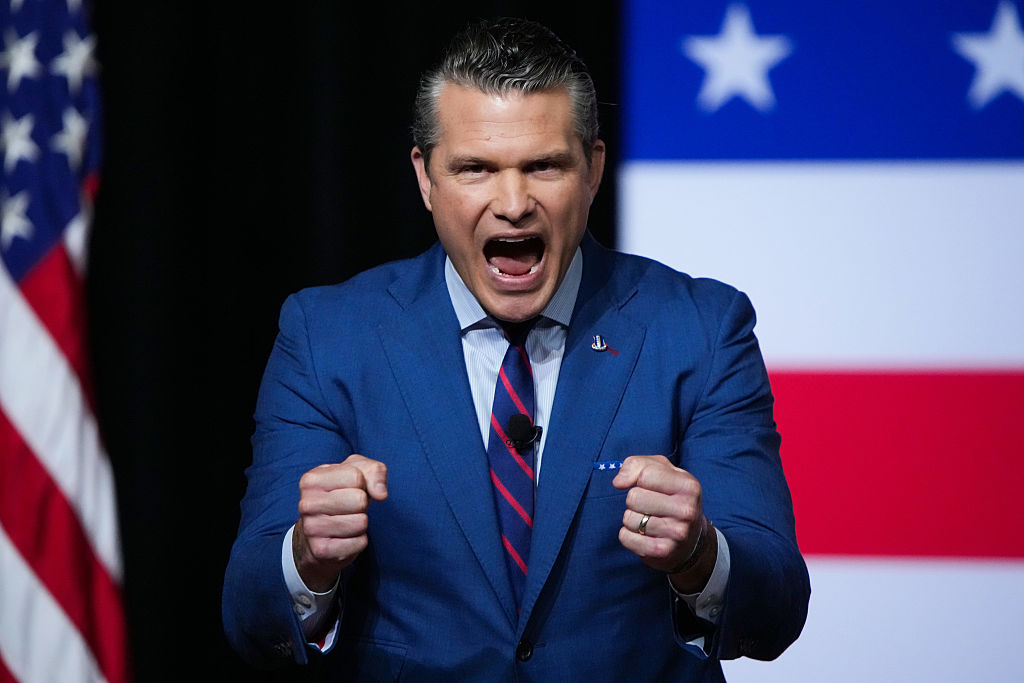 Hegseth before Congress: He lost his temper (and he knows it)
 Defense Secretary Pete Hegseth cuts off media access to Pentagon press offices