

/https%3A%2F%2Fcdn-tor.buminteractif.com%2F2025%2F12%2F19135405%2FGettyImages-2251727863.jpg)
On Wednesday, December 17, 2025, at 2:01 a.m. local time (5:01 a.m. GMT), Arianespace successfully launched two satellites for the Galileo L14 mission from the European spaceport in Kourou, French Guiana. The aim of this mission is to increase the number of satellites in the Galileo constellation (now containing 34 satellites), which is a European satellite navigation system, equivalent to the American GPS. According to Arianespace, the addition of these two satellites will “increase the accuracy, availability and robustness of the European Union's global navigation satellite system.”
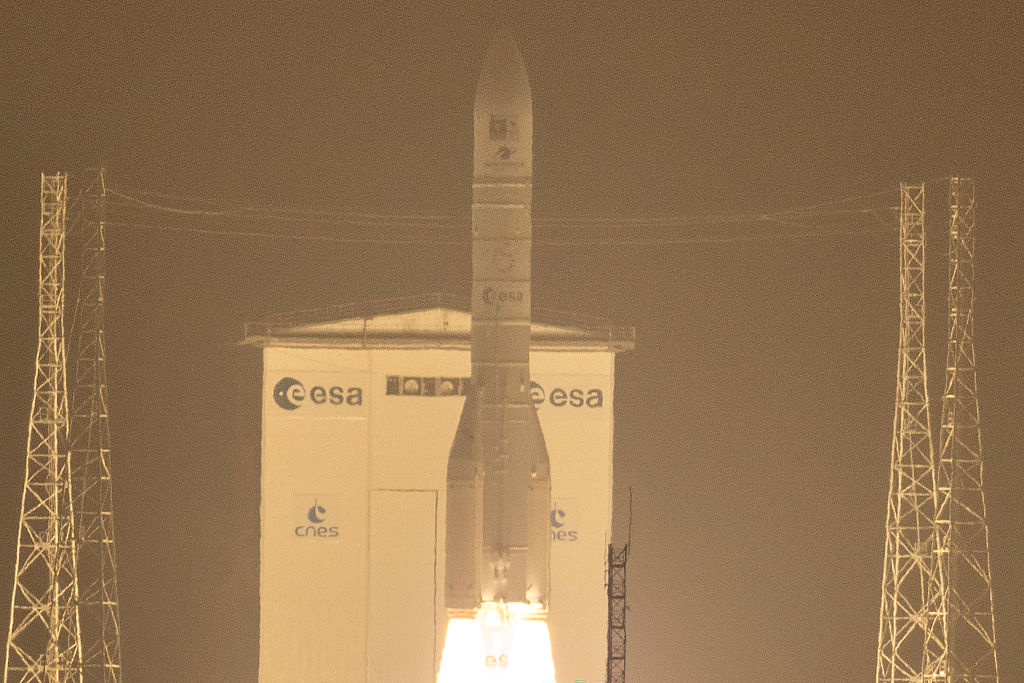
The two SAT33 and SAT34 satellites, placed in Earth orbit at an altitude of around 23,000 km, are next-generation devices, offering precise civilian geolocation independent of US systems. In addition to civil services, the Galileo program also extends to many other fields, such as air and sea transport, as well as rescue and relief operations. What's more, the Galileo constellation also has a role to play in environmental monitoring, such as monitoring seismic faults and volcanoes, or improving weather forecasts.
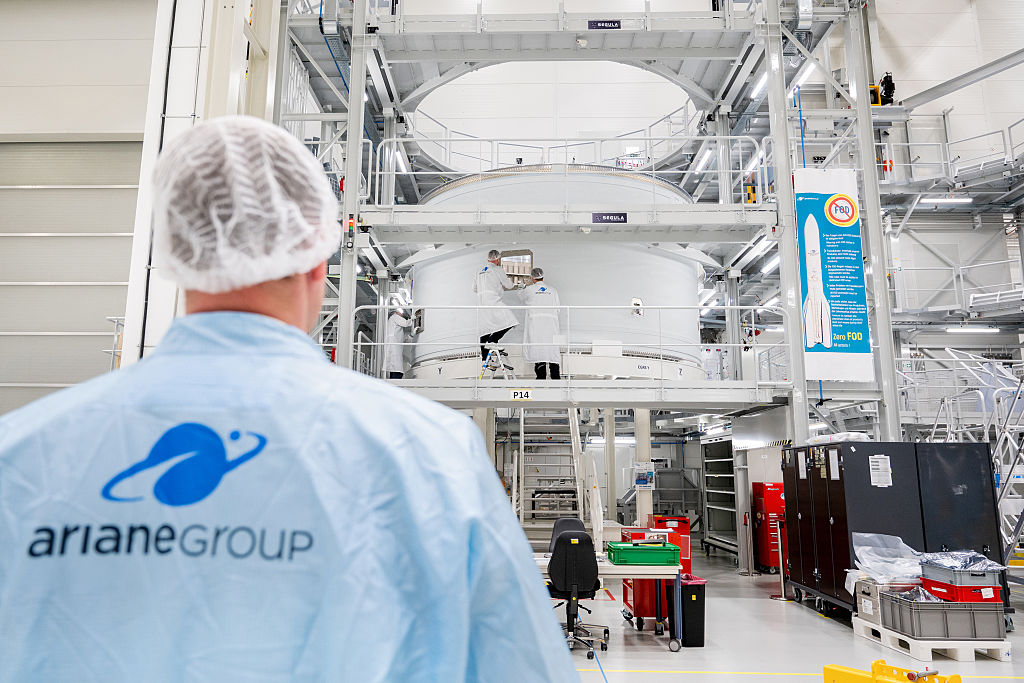
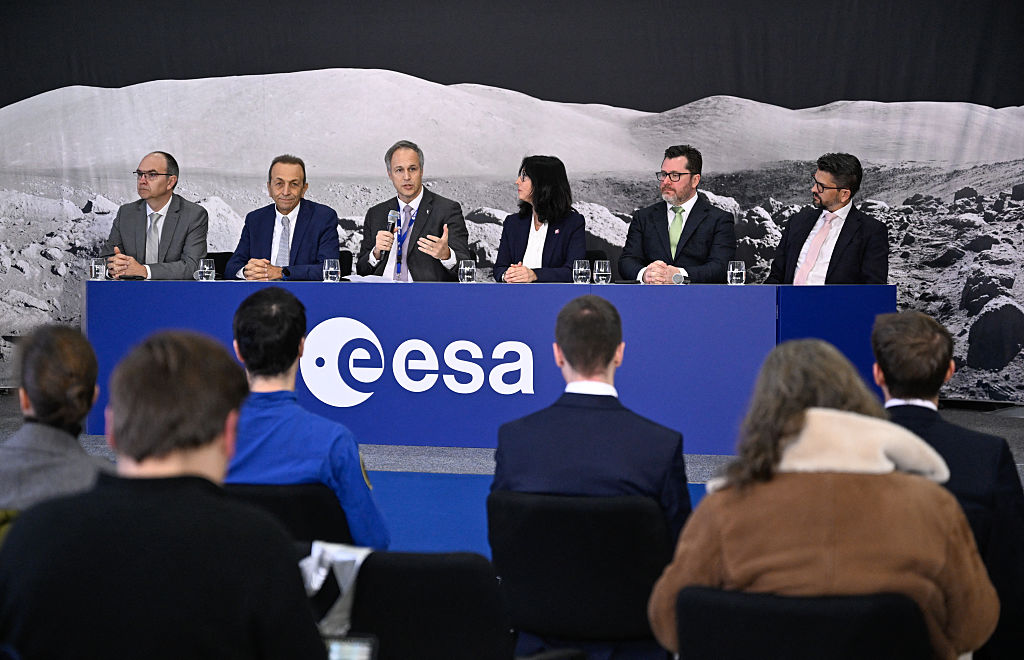
For Arianespace, this latest Ariane 6 launch success illustrates the progress and reinforcement of European power in the aerospace field. Ariane 6 is Europe's next-generation launcher, designed to meet Europe's current and future needs for access to space. It is a medium-to-high-power launcher, comprising three main components: boosters, core stage, and upper stage. Modular and versatile, these components enable the launcher to break free from Earth's gravity and adapt to a wide variety of missions, from low Earth orbit to deep space missions. Toni Tolker-Nielsen, Director of Space Transportation at the European Space Agency (ESA), comments that this mission marks a remarkable closing of the year 2025 for Europe: it is the first launch to put two large satellites into orbit in a single flight.
The launch of these two new satellites will replace older satellites, which have an estimated lifespan of around twelve years. Until now, Galileo satellites have been launched using Ariane 5 and Russian Soyuz rockets. However, geopolitical tensions between the European Union and Russia, notably following the invasion of Ukraine and the termination of cooperation on the Soyuz launcher in 2022, have deprived the European Space Agency (ESA) of autonomous access to space for several months. Faced with this situation, ESA turned to alternative solutions, calling on private companies such as SpaceX, which notably launched two Galileo satellites in September 2024 aboard a Falcon 9 rocket, pending the operational launch of Ariane 6.
By 2025, Arianespace will have completed four successful Ariane 6 commercial launches, including a military satellite at the start of the year, a meteorological craft in the summer and, on November 4, a Sentinel-1D satellite for the European Copernicus Earth observation program. Arianespace is aiming to double its number of launches by 2026, with a new launcher, Ariane 64, equipped with four boosters.
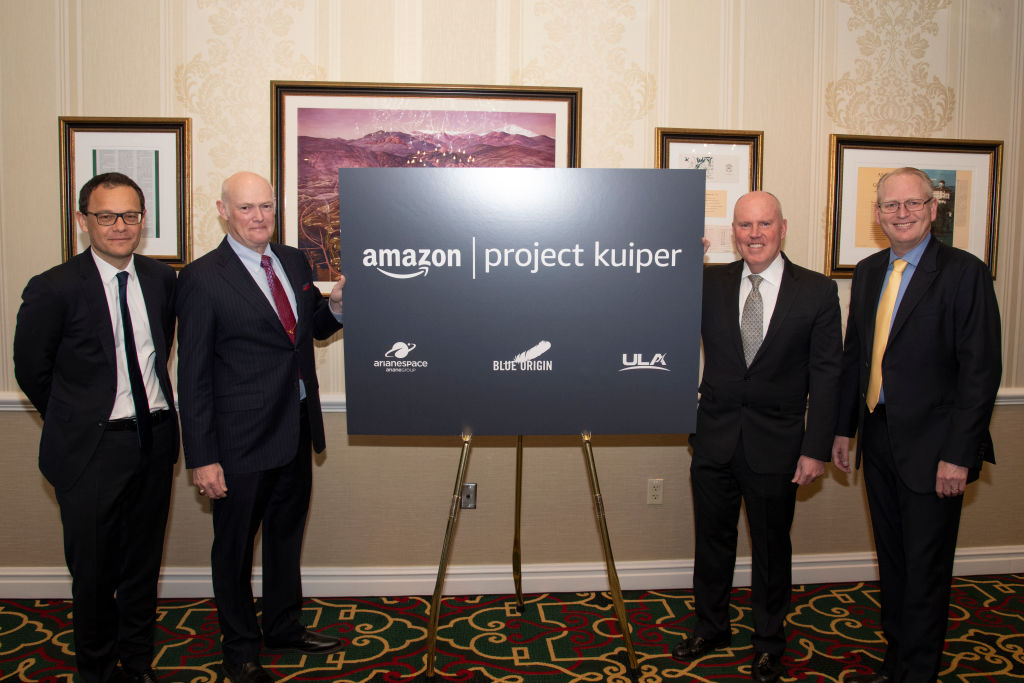
This next mission, scheduled for the first quarter of 2026, will orbit satellites for Amazon Leo's Project Kuiper broadband constellation. The aim of this major project by the company founded by Jeff Bezos is to put 3,236 satellites into low-Earth orbit, in order to provide consumers with reliable, low-latency broadband Internet access worldwide. Of the 30 or so launches involved in this project, Arianespace has signed an agreement for 18 launches with Amazon Leo, representing the largest contract in Arianespace's history.
