

/https%3A%2F%2Fcdn-tor.buminteractif.com%2F2026%2F01%2F06184635%2Ftrump-maduro-dance-getty-4234827f5345.jpg)
According to The New York Times, Donald Trump's decision to move against Nicolás Maduro came after he watched a viral video showing the Venezuelan president dancing, a moment that reportedly irritated him rather than amused him. The footage was seen inside the White House as a display of defiance at a time when the Trump administration was deliberately seeking to increase pressure on Caracas, and Trump was said to be visibly triggered by what aides described as Maduro's nonchalance toward the mounting tensions. Those tensions had been building since September, as the United States began attacking Venezuelan boats it accused of transporting fentanyl bound for the U.S. market.
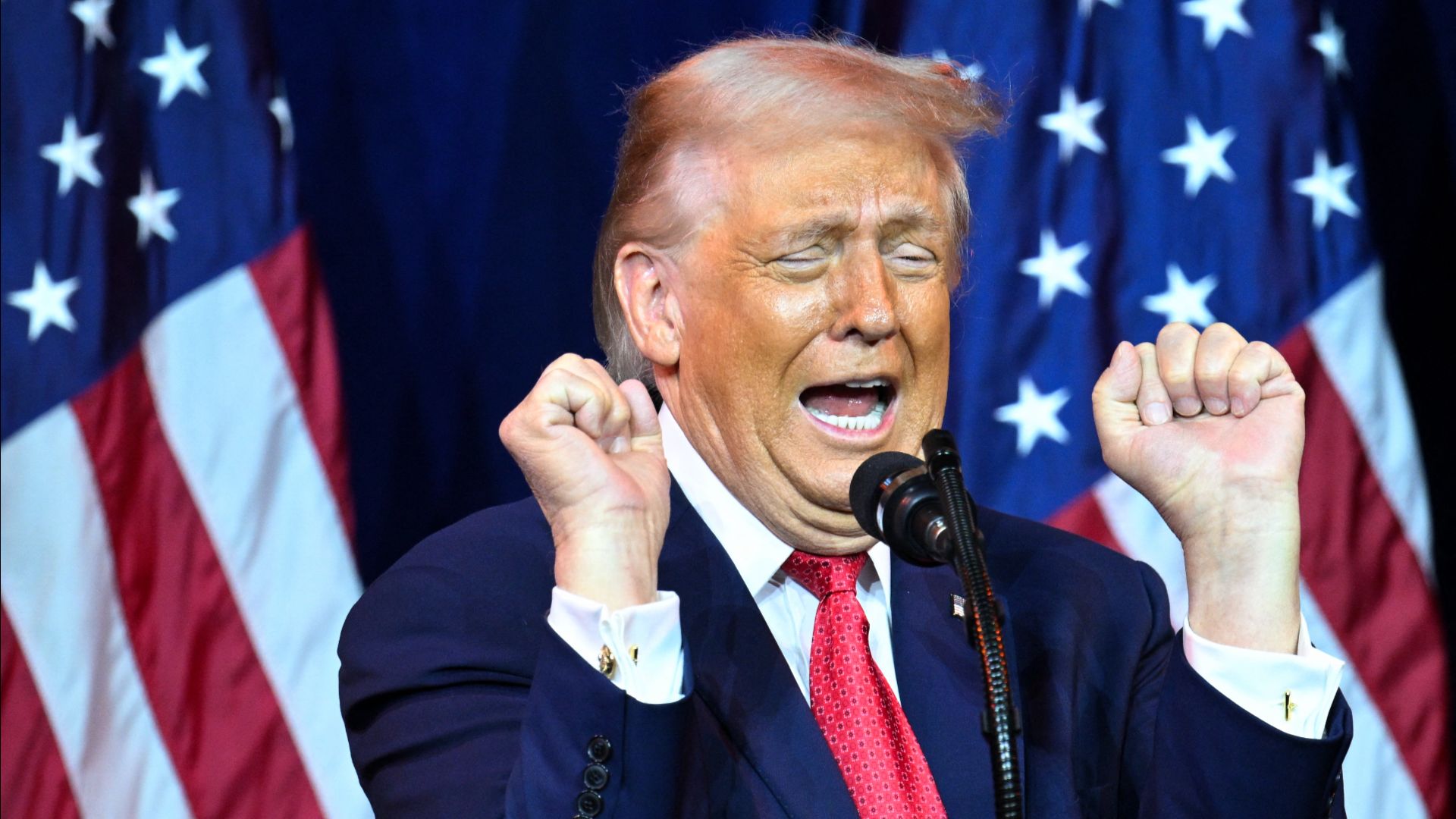
In the weeks leading up to the operation, Venezuela had been placed under intense and growing pressure by Washington, increasingly isolated diplomatically and economically as its airspace was restricted and U.S. military activity signaled that options were narrowing. According to The New York Times, Donald Trump and his advisers had issued an ultimatum to Nicolás Maduro, urging him to step down and accept a negotiated exile abroad, a proposal that was framed as a way to avoid a direct confrontation. Maduro refused, leaving his government under mounting strain and expectations in Washington that capitulation was imminent. It was in this tense context that an unexpected episode proved decisive: U.S. officials said Trump watched footage of Maduro dancing publicly at an event just days after a U.S. strike on a Venezuelan dock, a display that was interpreted inside the White House as open mockery of American threats. That perceived defiance, more than any immediate security concern, helped tip the administration toward action, reinforcing the view that U.S. credibility was being challenged and that the ultimatum had failed.
«He gets up there and he tries to imitate my dance a little bit.»
Donald Trump
At a recent rally in Caracas, Venezuelan state media broadcast footage of Nicolás Maduro swaying, jumping and waving his arms energetically to an electronic remix built around his slogan, «No War, Yes Peace», with his recorded voice repeating phrases such as «no war, no crazy war» in time with the music, a performance designed to project defiance and energize supporters despite mounting pressure from Washington. In the aftermath of the U.S. intervention in Venezuela, Donald Trump accused Nicolás Maduro of trying to imitate his own dance moves weeks earlier, a remark he used to express open contempt for the Venezuelan leader and that, according to accounts of internal discussions, helped trigger the decision to launch the operation.
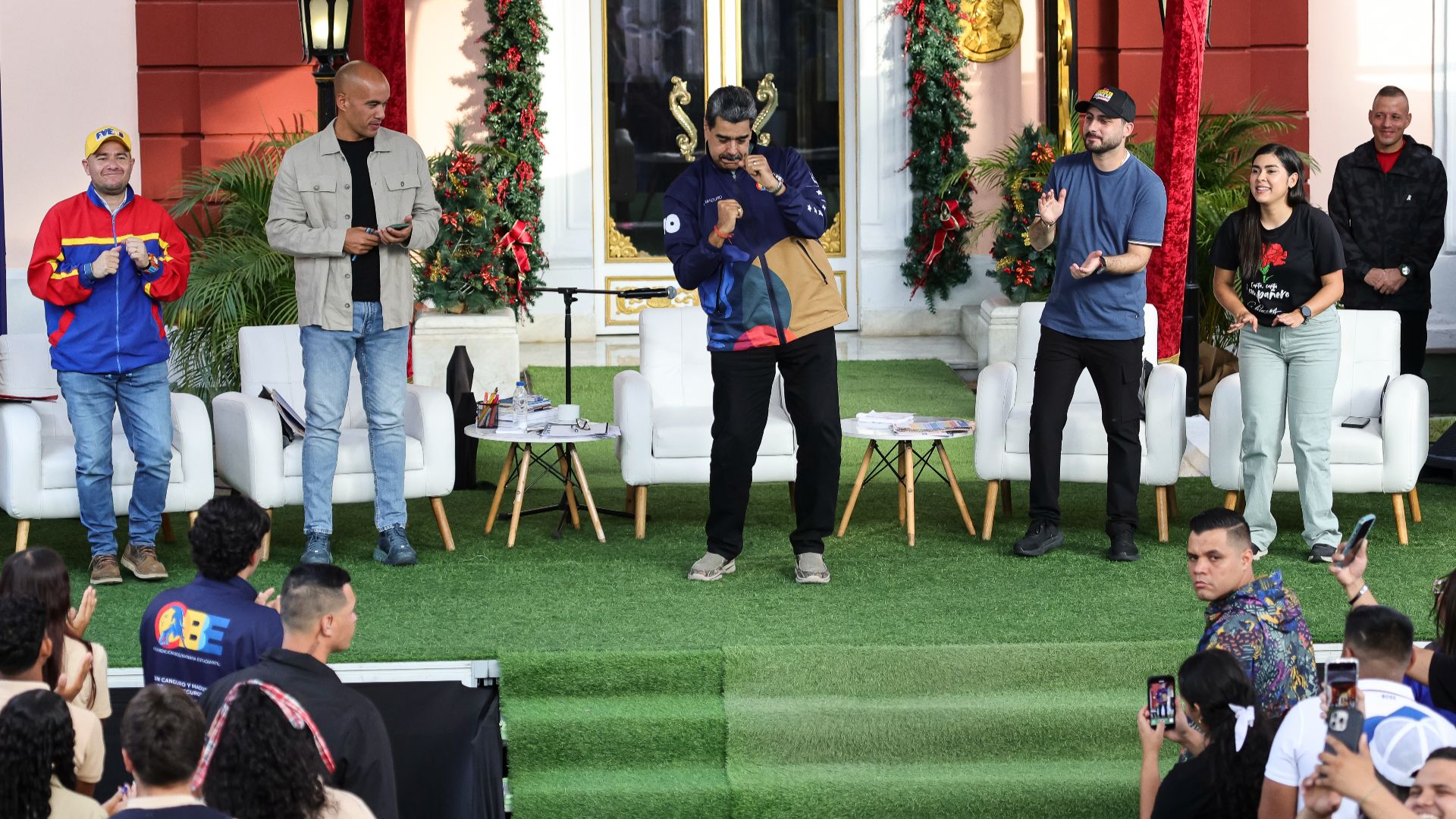
The images later drew a pointed reaction from Donald Trump, who, speaking at a press conference the day after the U.S. military intervention in Venezuela that led to Maduro's capture, singled out the dance moves themselves. Trump dismissed the display as mockery and personal provocation, saying «He's a bad guy.» and adding «He gets up there and he tries to imitate my dance a little bit. But he's a violent guy and he's killed millions of people.», remarks that underscored how the footage had resonated inside the White House in the immediate aftermath of the operation.

