

/https%3A%2F%2Fcdn-tor.buminteractif.com%2F2026%2F04%2F15182341%2Ftrump-jesus-2-getty3-4534gsdf.jpg)
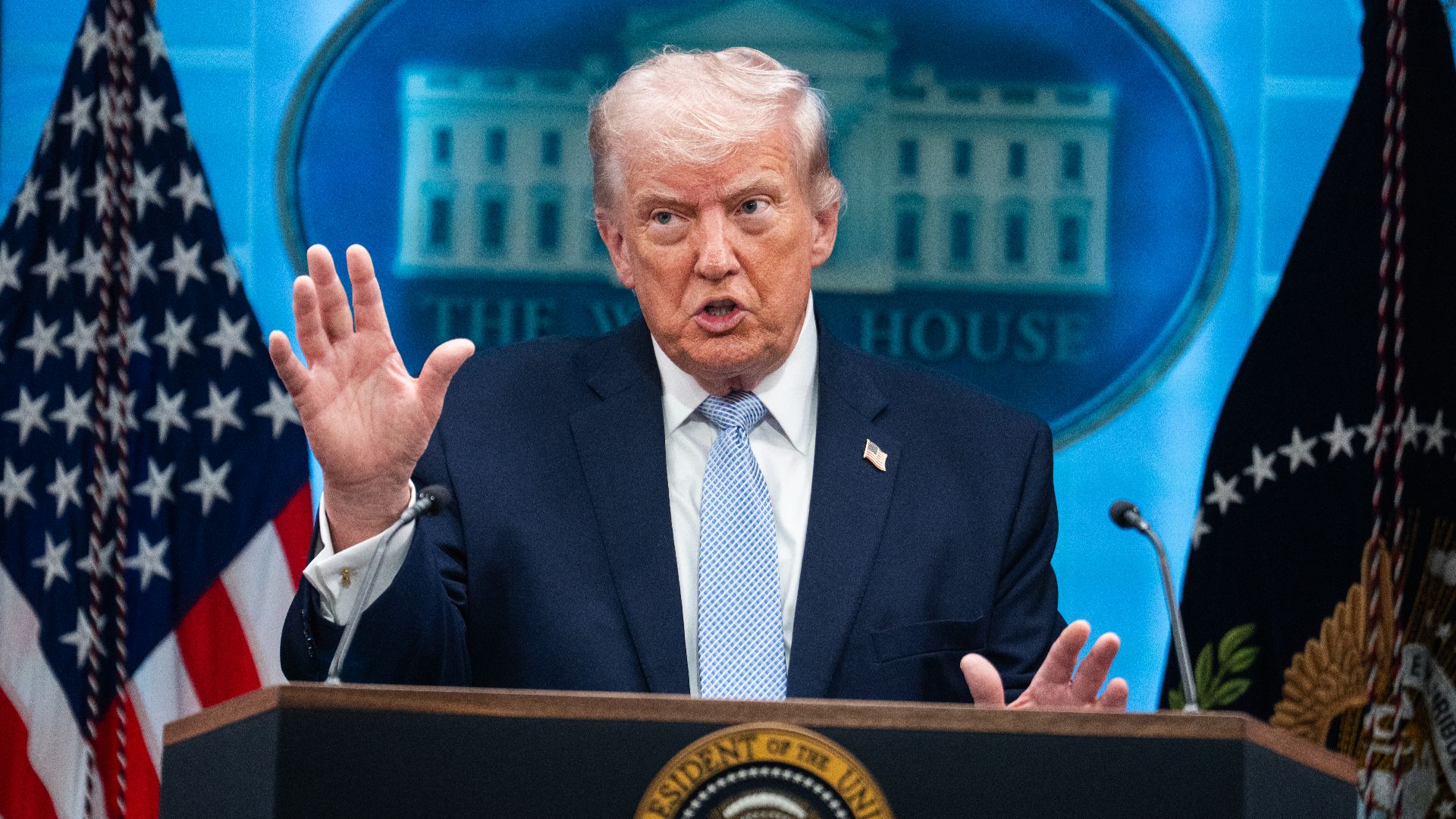
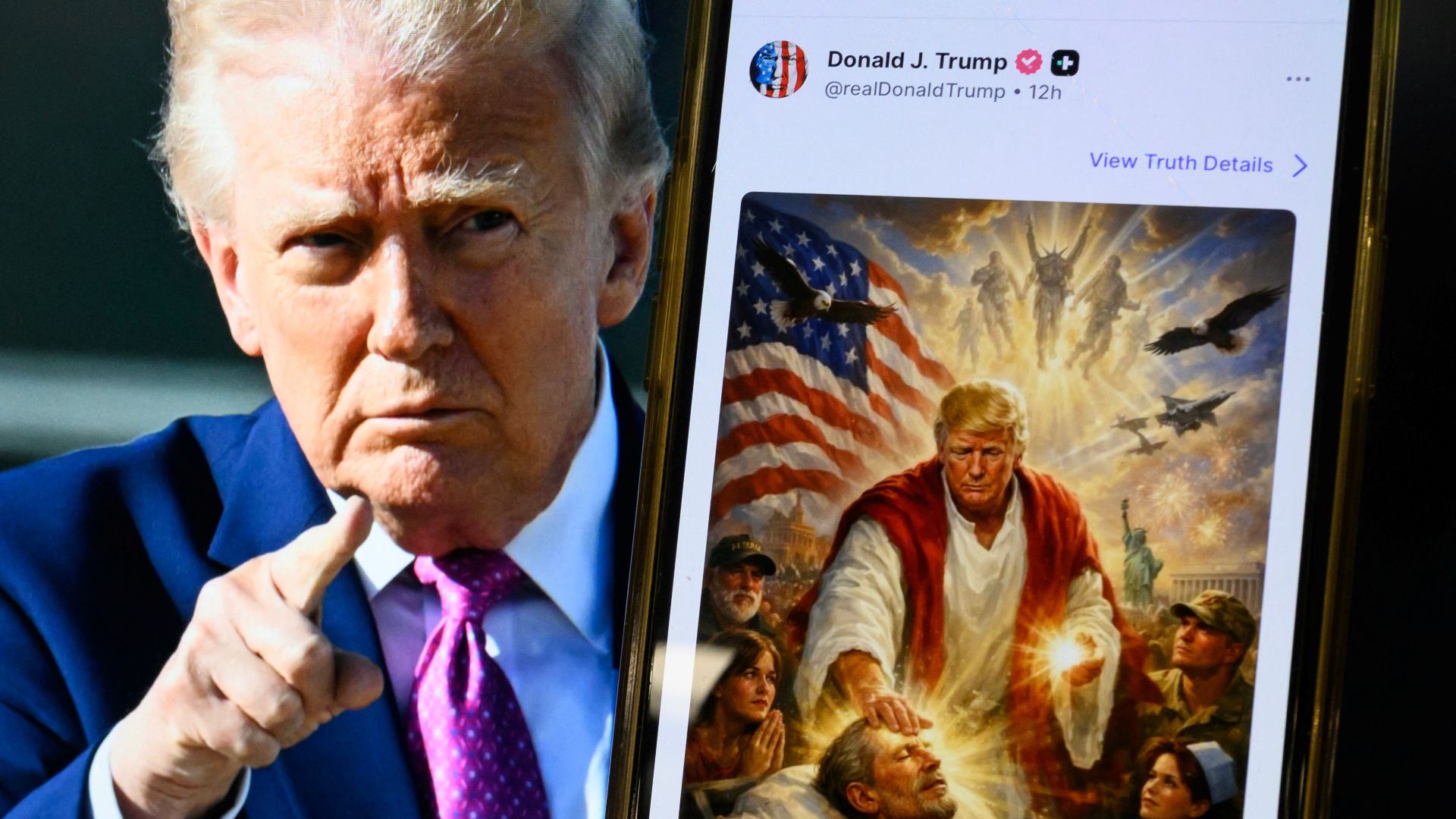
Donald Trump returned to controversy just hours after deleting a widely criticized Truth Social post, choosing instead to double down with a new message featuring religious imagery. The former president had initially removed an AI-generated image depicting himself as a Jesus-like figure healing a sick man after facing intense backlash online. However, he quickly re-engaged with the theme, reposting another image showing himself embraced by Jesus. In the accompanying message, Trump signaled awareness of the reaction, writing: «The Radical Left Lunatics might not like this», before continuing with a tone that suggested defiance in the face of criticism.
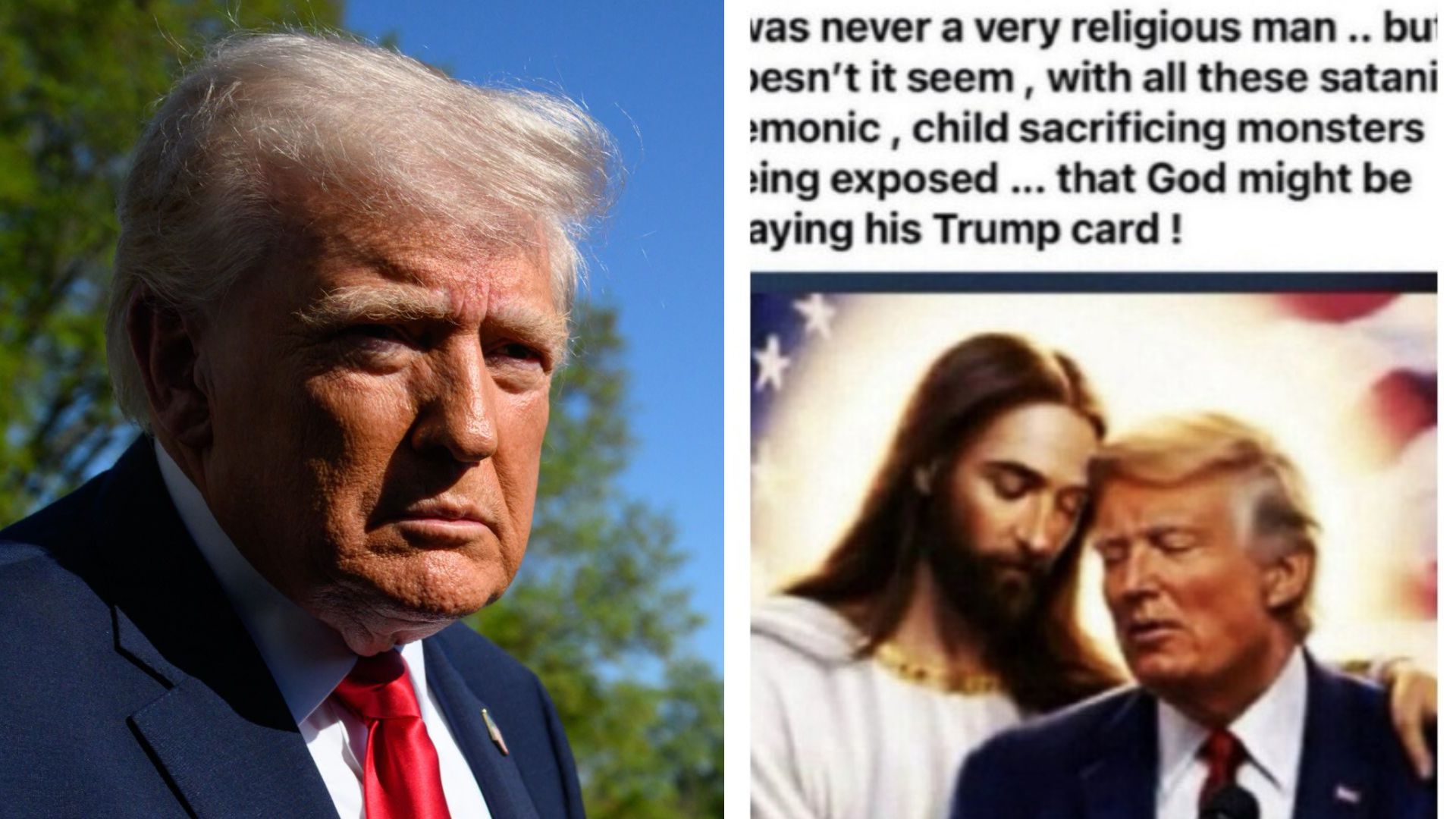
The reposted image was paired with a longer caption that amplified the religious framing and political messaging. The text read: «I was never a very religious man… but doesn't it seem, with all these satanic, demonic, child sacrificing monsters being exposed… that God might be playing his Trump card!» Trump followed the message with a direct comment of his own, writing: «The Radical Left Lunatics might not like this, but I think it is quite nice!!! President DJT». The post immediately reignited debate across social media platforms, drawing reactions from both critics and supporters.
«It's supposed to be me as a doctor making people better. And I do make people better. I make people a lot better.»
-U.S. President, Donald Trump
The renewed controversy comes after the first image triggered a broad and unusually unified backlash over the weekend. The original AI-generated post depicted Trump as a Christ-like figure performing a healing miracle, with dramatic religious symbolism that many found inappropriate or offensive. Critics from across the political spectrum questioned the use of such imagery, while some commentators argued that the post blurred the line between political messaging and religious iconography. The reaction was particularly notable for extending into Trump's own political base, where discomfort with the imagery became visible.
Among those publicly criticizing Trump was Representative Marjorie Taylor Greene, who reacted strongly to the initial post. Writing on X, she said: «On Orthodox Easter, President Trump attacked the Pope because the Pope is rightly against Trump's war in Iran and then he posted this picture of himself as if he is replacing Jesus. This comes after last week's post of his evil tirade on Easter and then threatening to kill an entire civilization. I completely denounce this and I'm praying against it!!!» Her comments reflected a rare and direct break from Trump by a figure closely associated with his political movement.
The backlash also included reactions from conservative commentators and religious observers, some of whom described the imagery as inappropriate given its timing and symbolism. Reports indicated that even some supporters expressed concern, with criticism focusing on the perceived irreverence of portraying a political leader in a religious role. The intensity of the response led to the removal of the initial post, though Trump's decision to quickly share a second image suggested a willingness to maintain his messaging despite the controversy.
«The Radical Left Lunatics might not like this, but I think it is quite nice!!! President DJT.»
-U.S. President, Donald Trump on Truth Social
Trump has not issued a formal apology for either post, and his latest message indicates that he views the backlash as politically motivated. When questioned by reporters about the initial image, he rejected the interpretation that it depicted him as a religious figure, stating: «It's supposed to be me as a doctor making people better. And I do make people better. I make people a lot better.» The explanation was widely mocked online, with users sharing altered images portraying doctors in similar religious-style scenes, echoing the original AI-generated visual. By framing critics as part of the «Radical Left», Trump has positioned the controversy within a broader narrative of opposition and cultural conflict, as reactions continue to spread across social media.
Created by humans, assisted by AI.
