

/https%3A%2F%2Fcdn-tor.buminteractif.com%2F2026%2F06%2F04181237%2Ftrump-oil-getty34534gd.jpg)
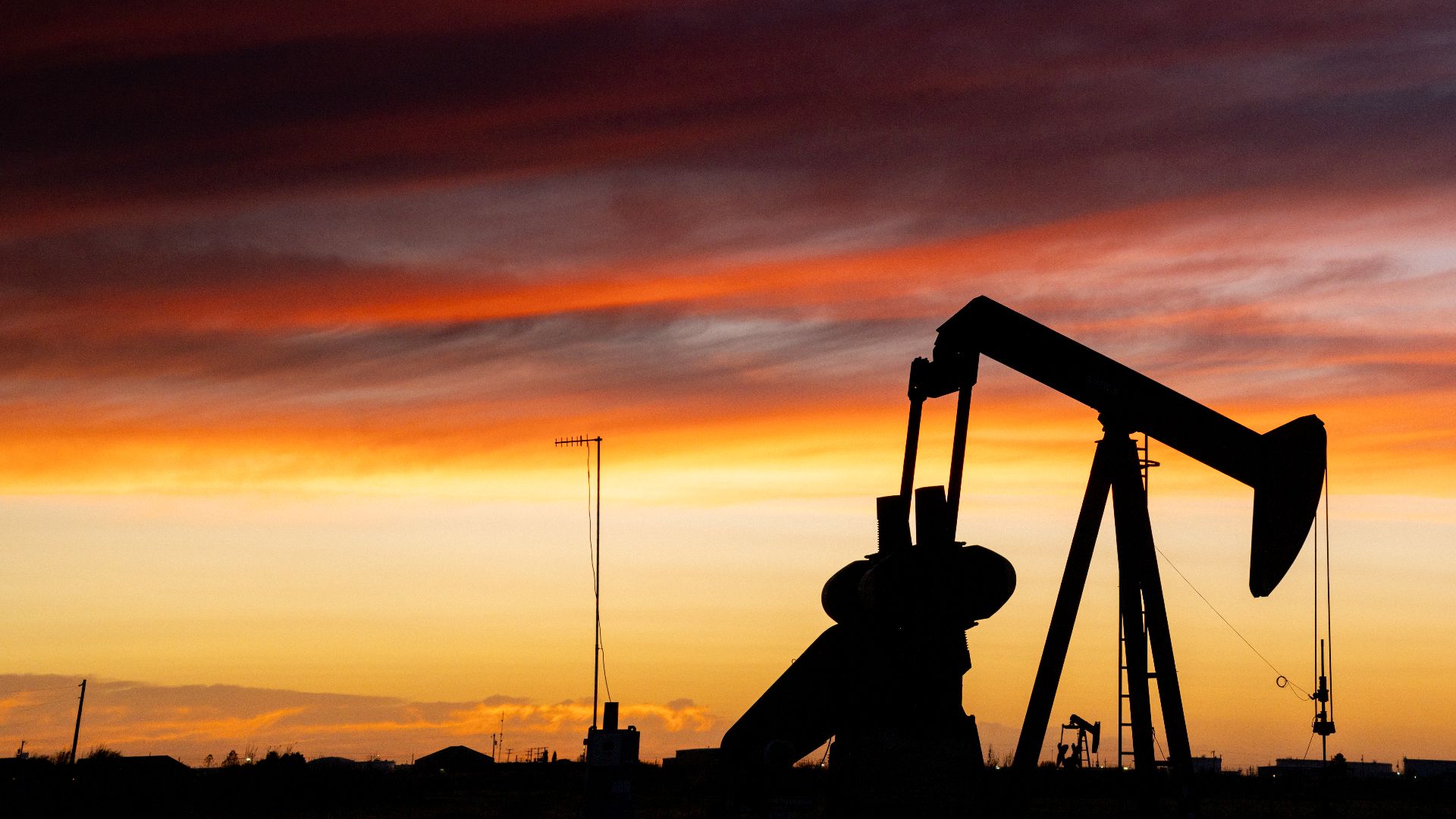
According to a report published by the Financial Times, the United States has drained its oil stockpiles to their lowest level since 2004 as Donald Trump's conflict with Iran continues to disrupt global energy markets. The report found that U.S. crude and petroleum inventories have fallen to roughly 1.57 billion barrels, raising concerns about the country's ability to respond to future supply shocks after months of market intervention and heavy withdrawals from emergency reserves. Total inventories reportedly declined by 10.6 million barrels in a single week, while the United States increasingly relied on exports and strategic reserves to compensate for supply disruptions affecting global supply. The decline has raised concerns among energy analysts who warn that the country now has a significantly smaller cushion available should another major geopolitical crisis or supply disruption emerge in the coming months.
The Financial Times report paints a picture of an energy market under growing strain. As supplies from the Middle East became increasingly unstable, U.S. exports climbed to approximately 5.8 million barrels per day in an effort to help stabilize global markets. Washington also released tens of millions of barrels from the Strategic Petroleum Reserve and authorized additional withdrawals to ease pressure on consumers and businesses. The reserve, which has long served as an emergency safeguard during international crises, has become a critical tool in managing the consequences of the conflict. Energy executives have warned that inventories are approaching unusually low levels. Exxon senior vice-president Neil Chapman recently described stockpiles as reaching «really, really low levels» and cautioned that oil prices could rise substantially if supply disruptions continue and inventories keep falling. Analysts have similarly warned that a prolonged disruption could leave global markets increasingly vulnerable to additional shocks.
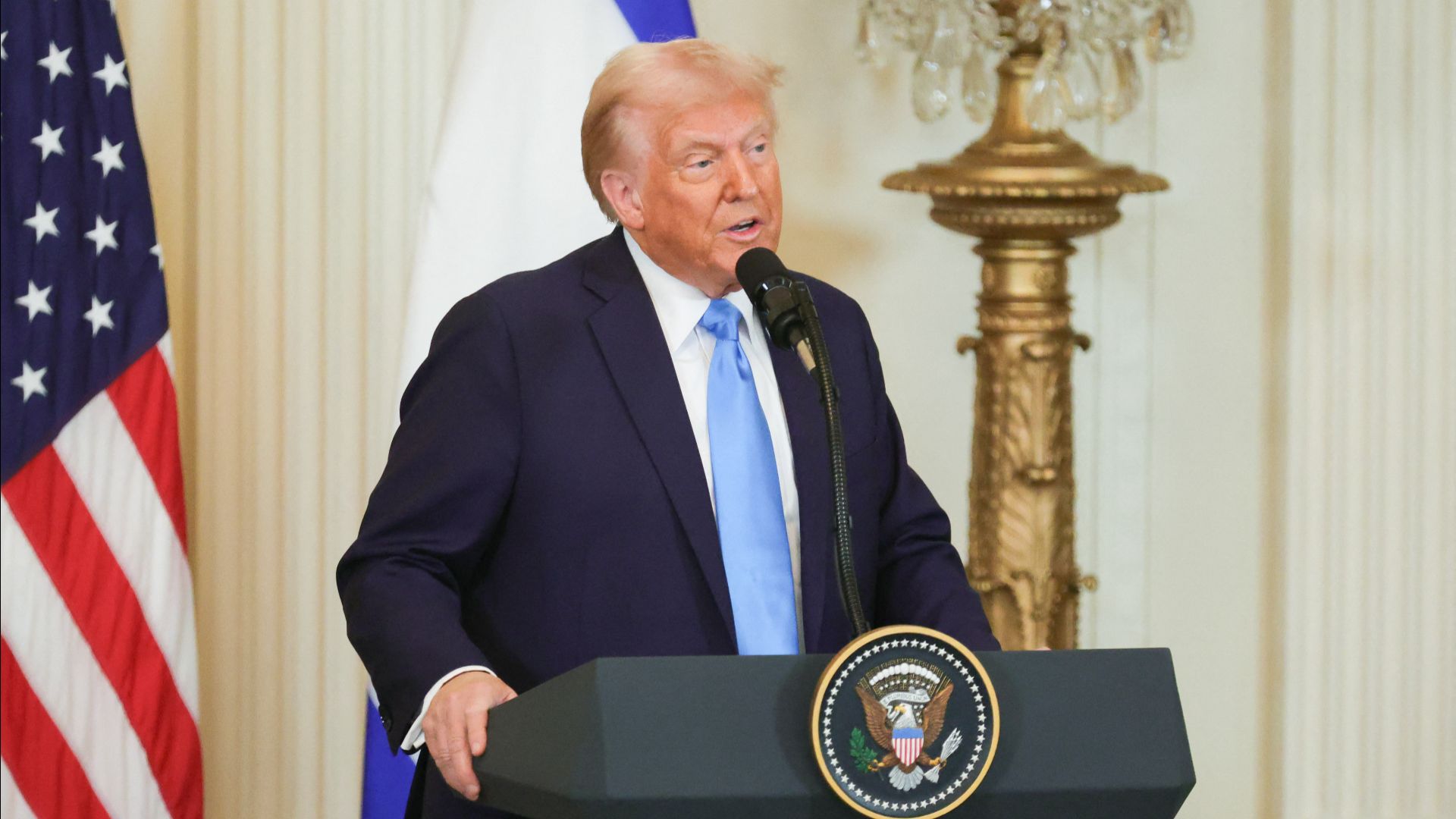
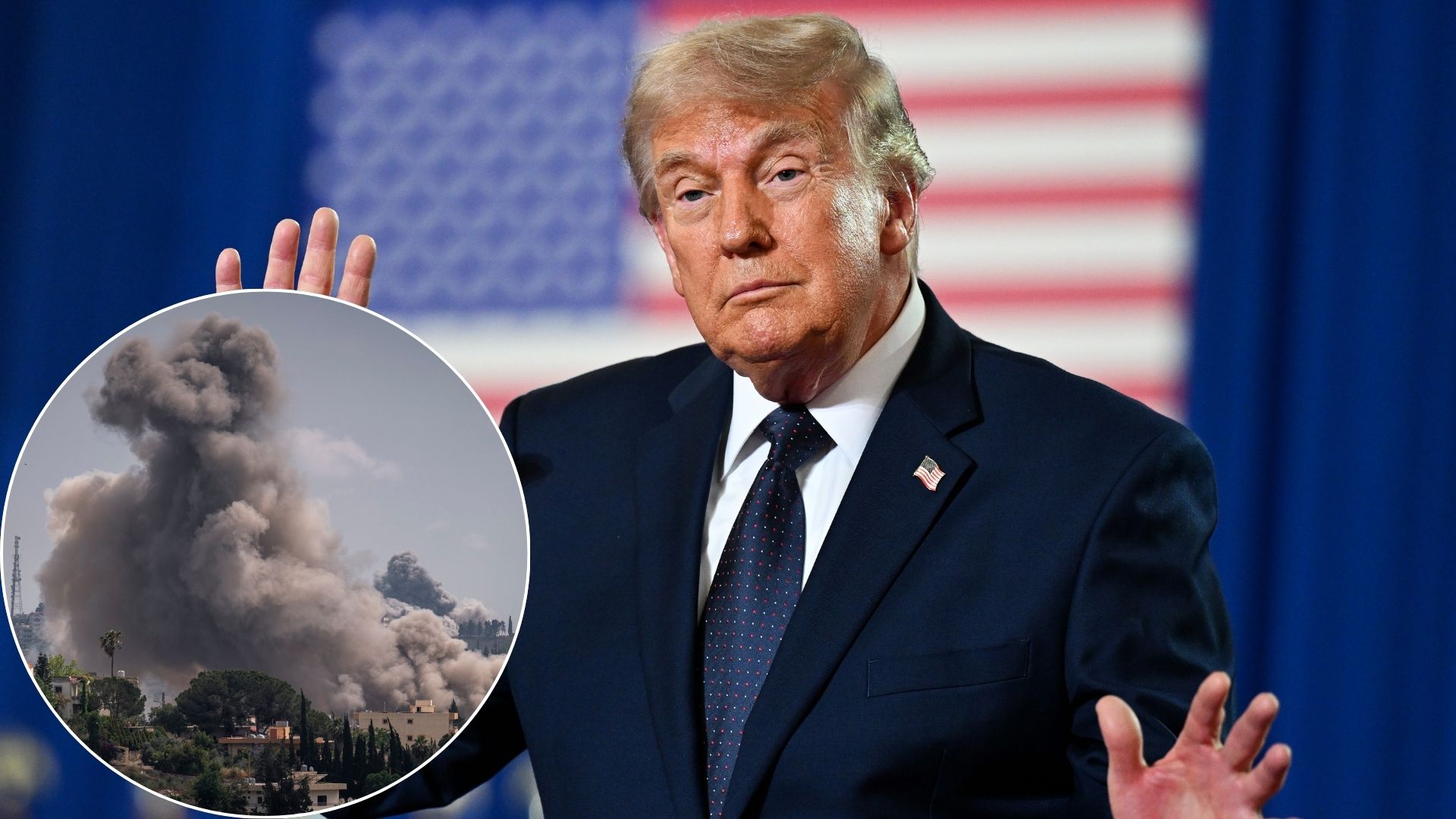
The decline follows months of military confrontation involving the United States, Israel and Iran. Since late February, a series of military operations, retaliatory strikes and escalating tensions around the Strait of Hormuz have repeatedly threatened one of the world's most important energy corridors. Roughly one-fifth of global oil shipments normally pass through the waterway, making any disruption immediately significant for global markets. Trump has consistently defended the military campaign as necessary to prevent Iran from acquiring nuclear weapons. Speaking about the administration's objectives, he said, «They're not going to have a nuclear weapon, that's number one.» He later added, «That's number one, two and three. They will never have a nuclear weapon.» Those comments have become a central part of the administration's justification for maintaining pressure on Tehran despite the economic costs associated with the conflict and the uncertainty it has created across international energy markets.
Efforts to negotiate a diplomatic solution suffered a significant setback this week as tensions between Washington and Tehran once again complicated talks. Reports that Iran had suspended negotiations following renewed regional tensions fueled concerns that a breakthrough remained distant. The uncertainty immediately affected energy markets, with traders increasingly worried that disruptions to shipping routes could persist far longer than previously expected. While the administration has publicly maintained that diplomacy remains possible, Trump has expressed frustration with the pace of negotiations. At one point he said he «couldn't care less» about the talks and later described negotiations as «very boring.» More recently, however, he suggested that discussions remained active and that progress was still possible. The conflicting messages have contributed to uncertainty surrounding both the diplomatic process and the future direction of oil markets.
«They're not going to have a nuclear weapon, that's number one.»
-U.S. President, Donald Trump
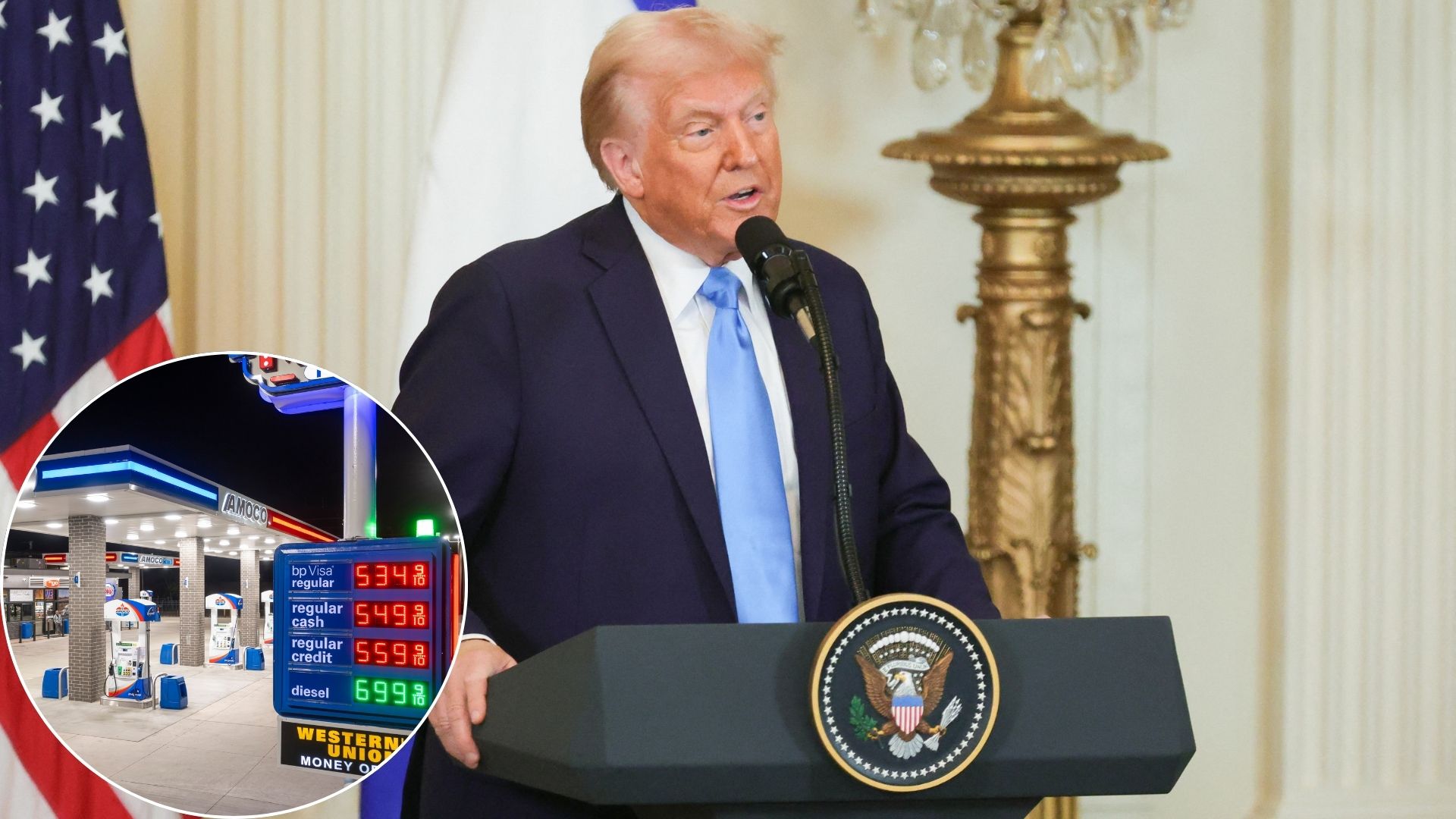
American consumers have already felt the economic impact of the conflict. Gasoline prices surged dramatically in the months following the outbreak of hostilities, with national averages at one stage climbing above $4.48 per gallon, representing one of the sharpest increases since the conflict began. Although prices have fluctuated since then, they have remained significantly above pre-war levels, continuing to place pressure on household budgets. Economists estimate that higher energy costs have added billions of dollars in expenses for consumers while also contributing to broader inflation concerns. The OECD has warned that prolonged disruptions in global energy flows could slow economic growth and increase recession risks in countries heavily dependent on imported energy. Analysts have likewise cautioned that further disruptions involving the Strait of Hormuz could trigger another wave of price increases across global fuel markets.
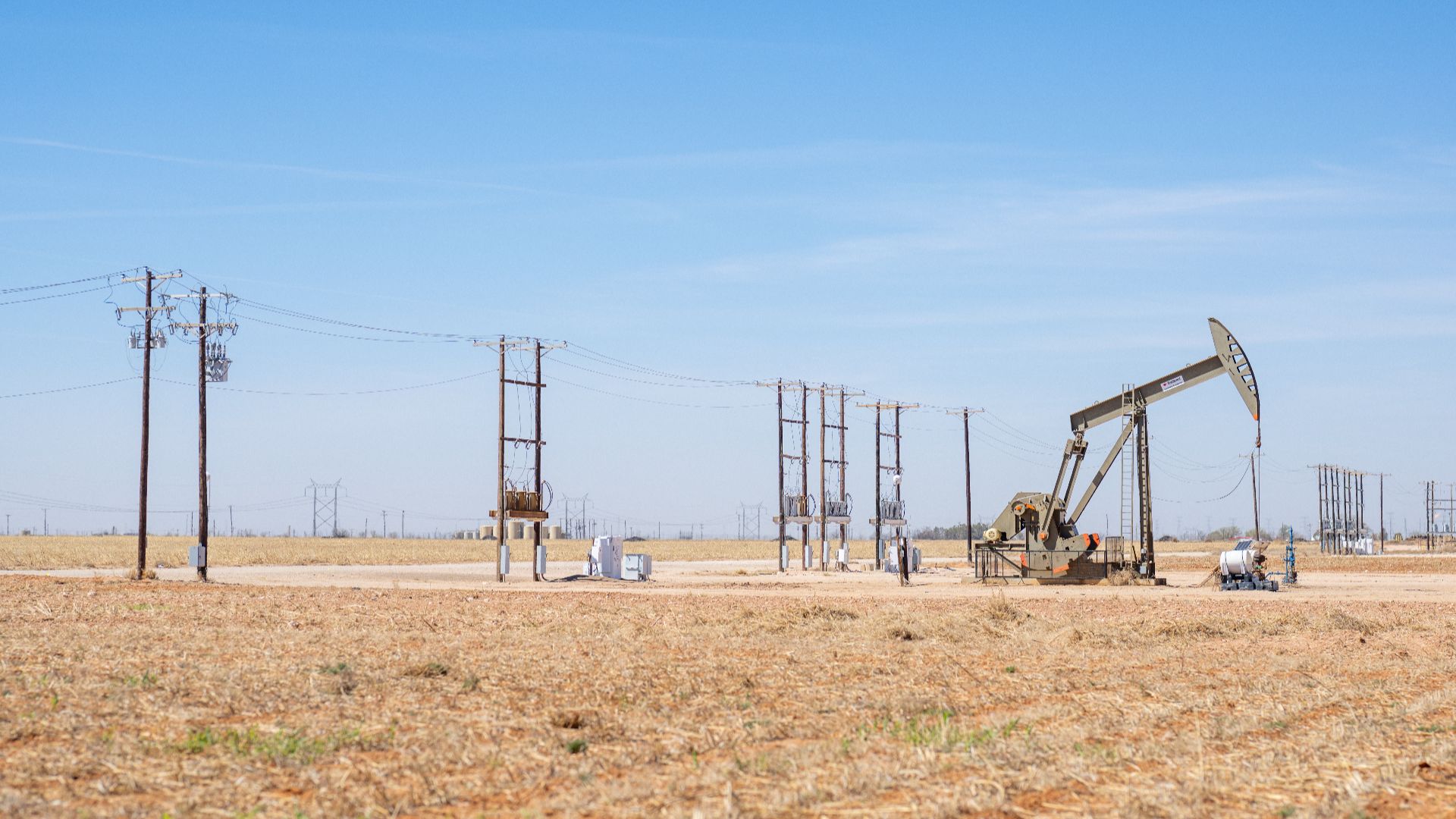
The Financial Times report suggests the United States is increasingly using its own energy reserves as a buffer against a conflict with no clear end in sight. Oil prices have periodically approached the $100-per-barrel mark since the beginning of the confrontation, while analysts continue to warn that prices could move substantially higher if negotiations fail and supply disruptions worsen. Chapman recently warned that physical Brent crude could eventually reach between $150 and $160 per barrel if inventories continue to decline. With U.S. oil stockpiles now at their lowest level in more than two decades, gasoline prices still elevated and diplomatic efforts producing only limited progress, the economic consequences of Trump's confrontation with Iran are becoming increasingly visible both domestically and across global markets, leaving policymakers with fewer options should another major energy shock emerge.
Created by humans, assisted by AI.
 Global oil prices rise again after Trump administration conducts 'self-defense' strikes in Iran
 Trump says “I really don't care” about the end of Iran negotiations