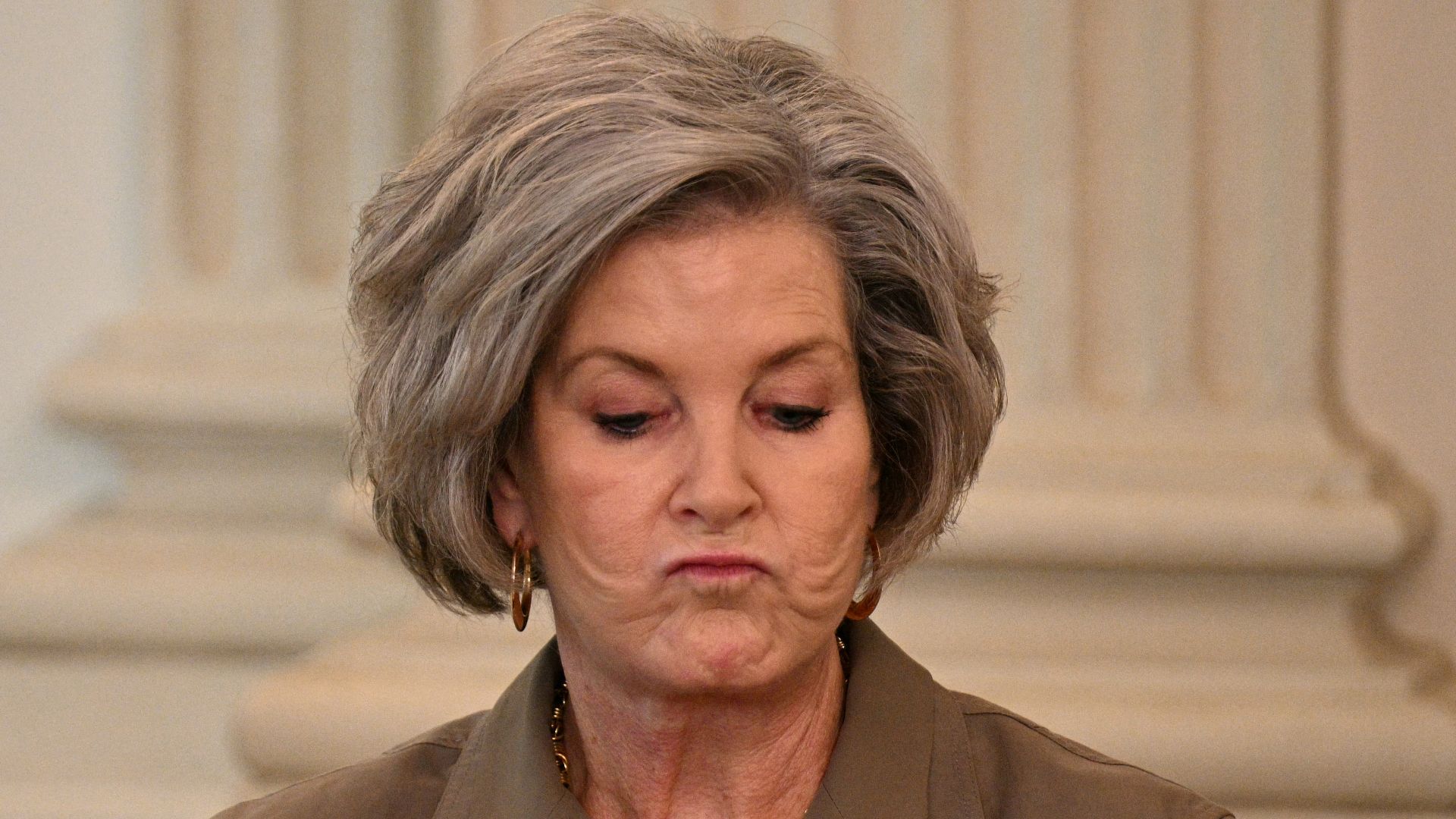
Trump’s Name Appears on Epstein Plane Flight Logs as Susie Wiles Says They Were «young, single playboys together»


/https%3A%2F%2Fcdn-tor.buminteractif.com%2F2025%2F12%2F17183544%2Ftrump-susie-epstein-getty-34534gdfg.jpg)
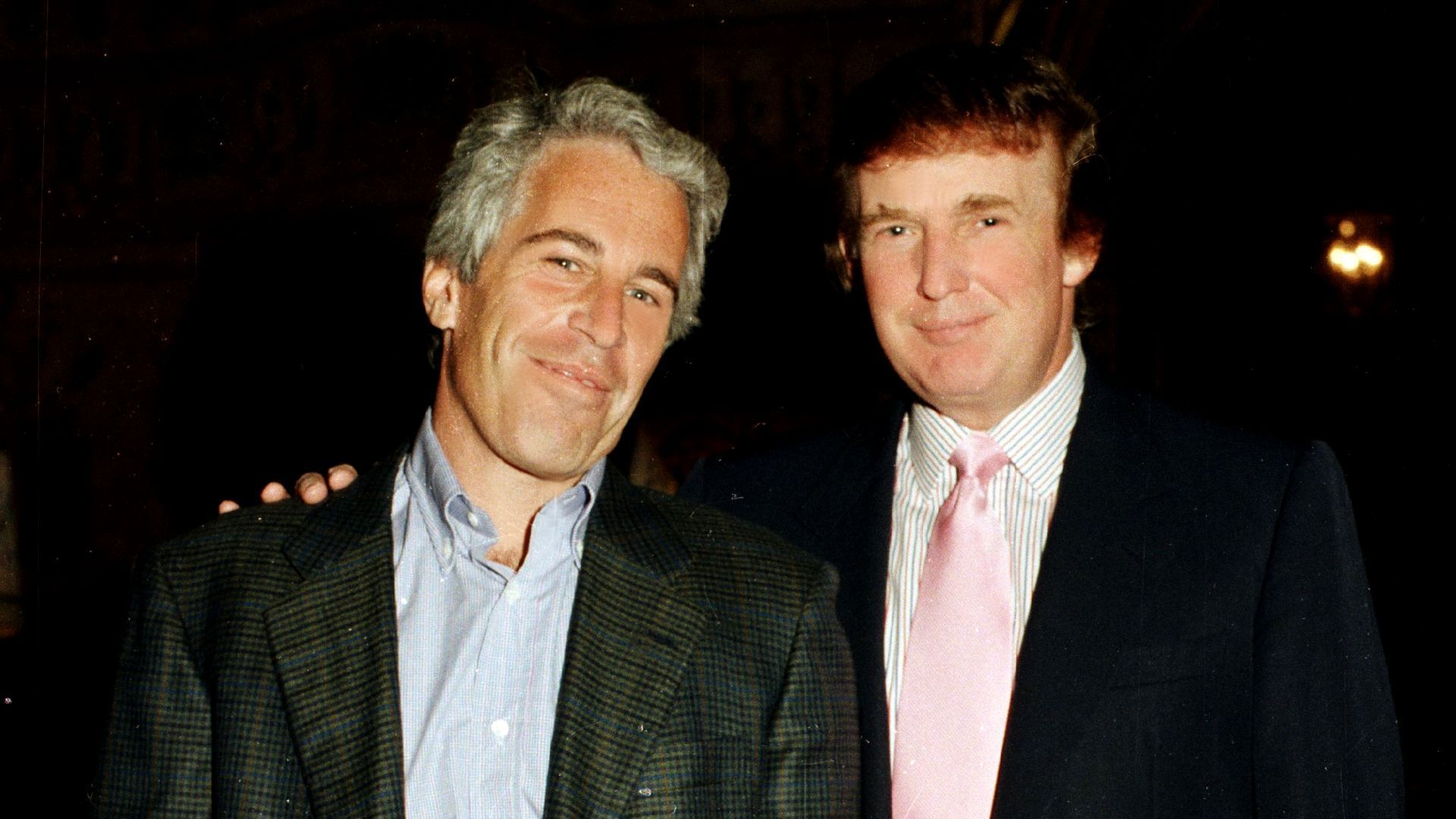
A recent Vanity Fair piece, drawn from a series of interviews with Trump chief of staff Susie Wiles, digs into what has become one of the Trump administration's hottest and most potentially embarrassing dossiers: the Epstein files, as Trump works to distance himself from any perception that he was once a close friend of the disgraced financier. In the reporting, Wiles specifically acknowledges that Trump's name appears in the flight logs tied to Epstein's private jet, the plane long nicknamed the “Lolita Express,” a detail that has remained central to the controversy because it anchors the broader debate in a concrete document trail. Wiles frames that period as a time when the two men moved in the same social orbit, describing them as «young, single playboys together,» while the administration's posture is presented as one of containment, aiming to reduce the political damage that can come from renewed focus on those records.
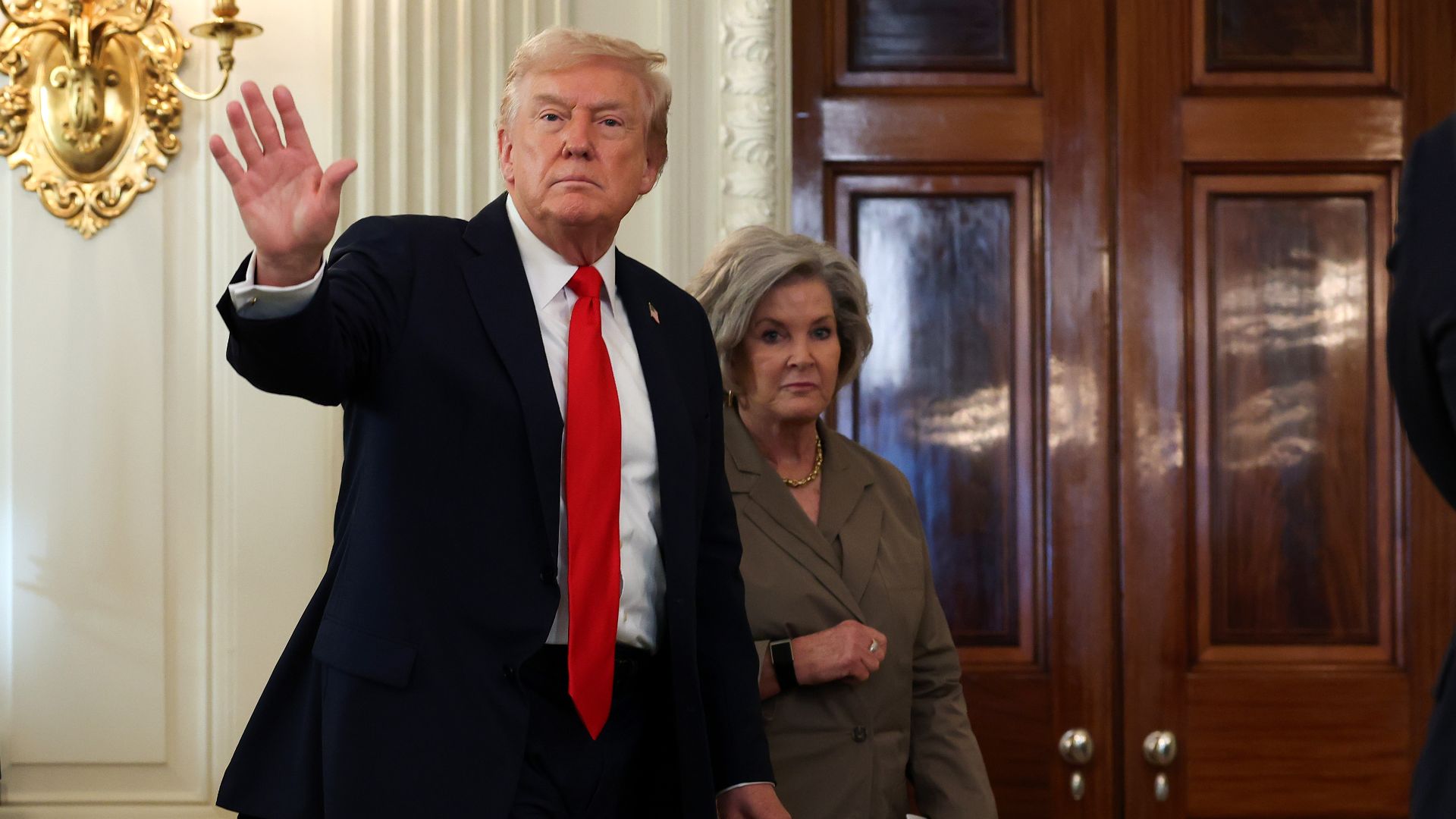
The revelations attributed to Susie Wiles in a Vanity Fair series of interviews landed amid lingering confusion from the opening stretch of Trump's second term, when the administration sent mixed signals about the Epstein dossiers, alternately hinting at transparency and then tightening control, a whiplash that quickly turned into full-blown internal chaos as staff and allies tried to align on a single message. That disorder has only intensified as Trump has spent months fighting to prevent public disclosure of the records, turning the Epstein files into a rolling political crisis that repeatedly collides with legal, media, and communications pressure. In that context, Wiles' remarks were described as a shock to many observers and, crucially, to many inside Trump's own administration, because they appeared to cut through the usual hedging and speak directly to the central issue: Trump's presence in the documentation. In the account, she confirms that Trump «is in the file», adding «we know he's in the file», comments that sharpened the administration's dilemma by reinforcing the very point Trump has been trying to neutralize while the broader handling of the Epstein material spiraled from early-term uncertainty into a dispute marked by infighting, contradictions, and escalating scrutiny.
A «hoax» perpetuated by Democrats
As Trump has described the Epstein files as a «hoax» perpetuated by Democrats, his claim has rattled parts of the Republican Party, which spent years campaigning on demands for disclosure and accountability, leaving lawmakers, activists, and conservative media figures scrambling to reconcile that messaging with a White House now resisting release. The dispute has also strained alliances on the right, with Marjorie Taylor Greene publicly denouncing the president and casting the administration's stance as a betrayal of Epstein's victims, a rupture that underscored how the issue has become both a loyalty test and a political trap for a party that elevated the story for so long. Against that backdrop, Vanity Fair's reporting on Susie Wiles injected another jolt into the debate: while addressing Trump's connection to the documents, she sought to draw a line between presence and culpability, saying he's not in the files in a damaging sense and insisting «he's not in the file doing anything awful», a formulation that attempts to contain the fallout even as the broader Republican argument over transparency, accountability, and who gets blamed continues to intensify.
In a post on X following Vanity Fair's publication, Susie Wiles forcefully pushed back on the story's framing, portraying it as an unfairly packaged attack aimed at her and the administration rather than a good-faith account of how the White House operates. She wrote that «The article published early this morning is a disingenuously framed hit piece on me and the finest President, White House staff, and Cabinet in history.» and argued that key context and favorable comments were omitted to create what she described as a deliberately distorted picture, saying «Significant context was disregarded and much of what I, and others, said about the team and the President was left out of the story.» Wiles then shifted to a performance defense of the administration, claiming «The truth is the Trump White House has already accomplished more in eleven months than any other President has accomplished in eight years» and crediting Trump's leadership for those results, before ending with a defiant rallying message: «None of this will stop our relentless pursuit of Making America Great Again!»