

/https%3A%2F%2Fcdn-tor.buminteractif.com%2F2026%2F08%2F20155810%2Fwalmart-getty-34534dfgd.jpg)
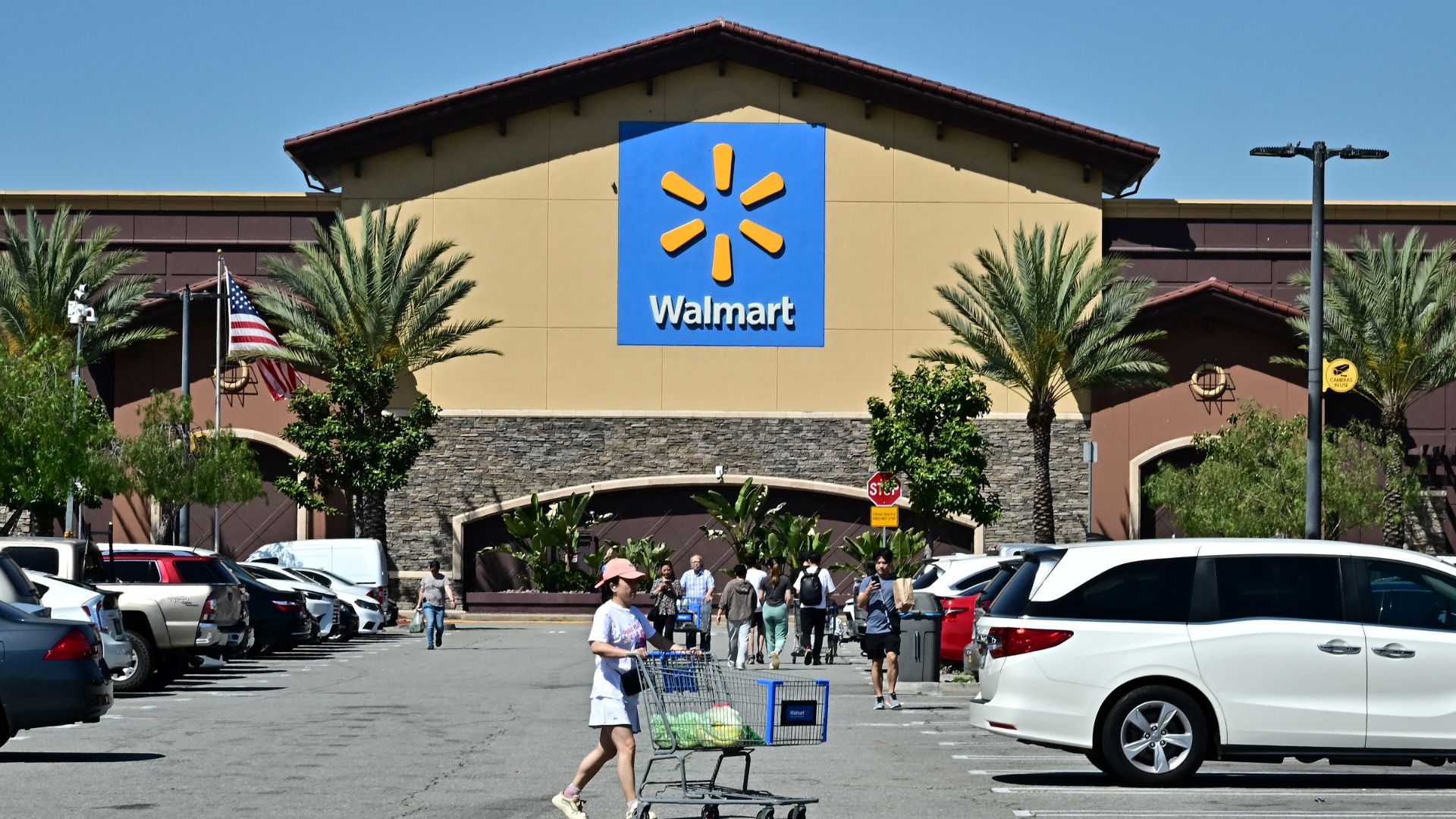
Walmart has reported a massive $2.9 billion tariff refund, making it the largest publicly reported tariff reimbursement received by a major U.S. corporation to date. The retailer confirmed during its second-quarter earnings call on Thursday that it had already received «substantially all» of the money from the U.S. government. The payment represents duties Walmart previously paid on imported merchandise under tariffs that were subsequently struck down by the Supreme Court. The refund provided the world's largest retailer with an unusual multibillion-dollar financial benefit during a quarter otherwise marked by signs of pressure on American consumers. Walmart had initially estimated in May that it could recover approximately $2.4 billion, but the final amount disclosed by the company reached $2.9 billion.
The refund traces back to the Supreme Court's February decision invalidating tariffs imposed through the International Emergency Economic Powers Act, or IEEPA. After the tariffs were ruled unlawful, the federal government was required to establish a process for returning duties previously collected from importers. Walmart became eligible for an exceptionally large reimbursement because of the enormous quantity of merchandise it brings into the United States and its role as the importer of record for those goods. The company had paid billions in duties during 2025 and early 2026 before the tariffs were overturned. U.S. Customs and Border Protection subsequently opened a system for businesses to seek repayment, and Walmart confirmed in May that it had filed for a refund. The retailer's $2.9 billion recovery represents a significant portion of the broader pool of tariff revenue being returned to American importers.
«Because of what they did, we have to pay back $160 billion.»
-U.S. President, Donald Trump
The money provided a substantial boost to Walmart's latest quarterly results, helping operating income rise sharply from the same period a year earlier. Walmart reported net income of $6.4 billion on revenue of $187.9 billion for the quarter ending July 31 and raised its full-year outlook following the results. However, the tariff reimbursement arrived alongside indications that consumers remain under pressure from elevated living costs and fuel prices. U.S. store sales growth slowed to 2.6%, its weakest pace in six years, creating a mixed picture for investors despite the multibillion-dollar refund and stronger overall earnings. Walmart shares fell sharply in morning trading as investors focused on the slower domestic sales growth and what it could signal about consumer spending, rather than treating the tariff refund as a recurring source of profit.

Walmart has indicated that the tariff windfall will not translate into direct refund checks for shoppers who purchased products while the duties were in effect. Instead, the company plans to use part of the money to support lower prices and other investments across its business. Chief Financial Officer John David Rainey had already outlined that approach when Walmart first disclosed in May that it was pursuing billions of dollars in reimbursements. «We think the single best return that we can have on a dollar capital right now is to invest in the customer and invest in price,» Rainey said at the time. Those investments are expected to include additional price reductions across groceries and general merchandise, alongside spending on store improvements and technology as Walmart tries to keep prices competitive for consumers facing persistent financial pressure.
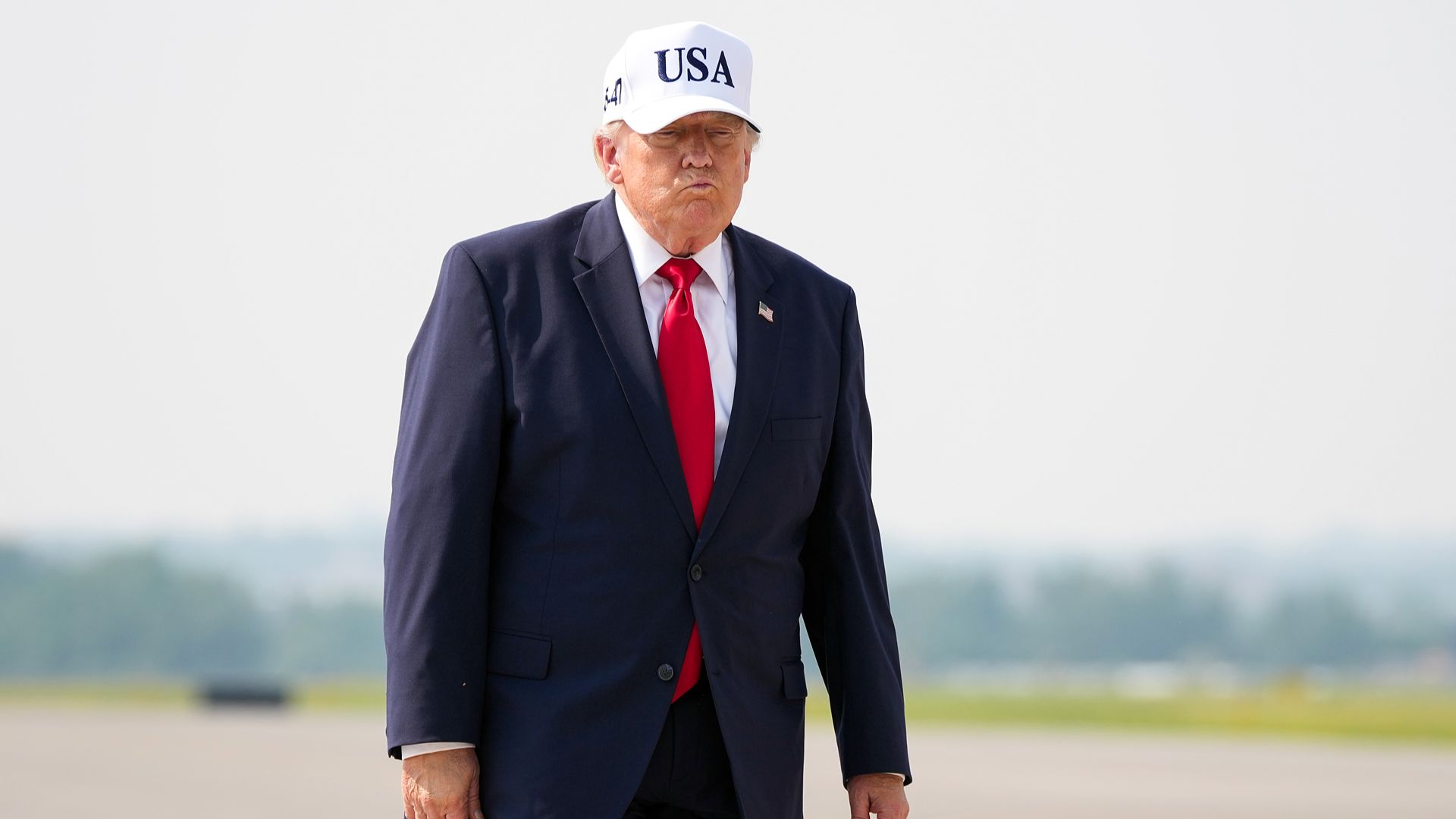
The refund also brings renewed attention to the political battle that surrounded the tariffs before the Supreme Court struck them down. Walmart had previously warned that higher import costs could eventually force the retailer to increase some prices, drawing a public rebuke from Trump, who told the company to «eat the tariffs» rather than pass those costs to customers. Walmart nevertheless pursued reimbursement once the government established a process for recovering duties collected under the invalidated measures. Trump strongly criticized the Supreme Court's 6-3 decision and later complained about the enormous amount of tariff revenue the government would have to return. «Because of what they did, we have to pay back $160 billion,» Trump said. «All they had to do is add one sentence, just one sentence, and that's, ‘You don't have to pay anything taken in thus far, back.'»
«So, I'm not happy with the Supreme Court. I'll be honest with you.»
-U.S. President, Donald Trump
The Supreme Court ruling did not end Trump's broader effort to impose tariffs on foreign imports. After losing the case over his use of emergency powers, the administration moved to a different legal authority, Section 122 of the Trade Act of 1974, to establish a temporary 10% baseline global tariff. That approach carries different restrictions, including a 150-day limit unless Congress extends the measure. Trump remained openly critical of the court over its decision, saying: «So, I'm not happy with the Supreme Court. I'll be honest with you.» For Walmart, however, the immediate financial consequence has already materialized. The company has recovered nearly $3 billion previously paid to the government while simultaneously confronting slower growth among U.S. shoppers, leaving the retailer with an unusually large one-time benefit as it navigates a more difficult consumer environment.
Created by humans, assisted by AI.
 Trump aide Natalie Harp sat in SUV trunk after screaming match to remain by his side
 Moderna's personalized mRNA cancer vaccine succeeds in landmark phase 3 melanoma trial