

/https%3A%2F%2Fcdn-tor.buminteractif.com%2F2026%2F08%2F15185943%2FGettyImages-1246358361.jpg)
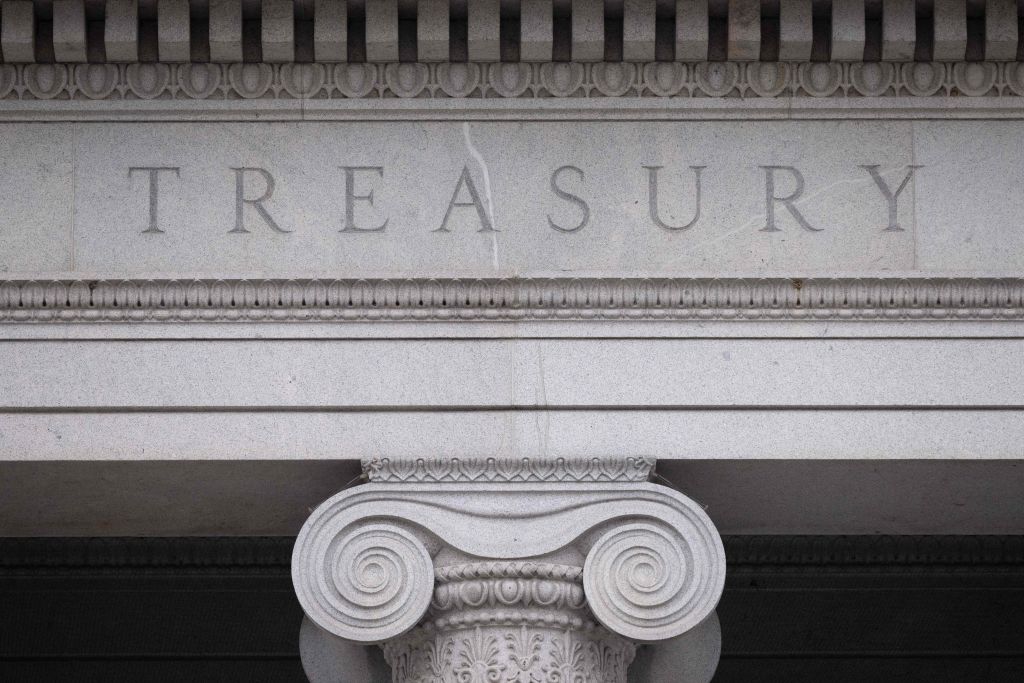
The U.S. Treasury Department has permanently repealed a reporting rule that required millions of American businesses to disclose their true owners to federal investigators, ending one of the Biden administration's signature anti-money laundering measures. Treasury Secretary Scott Bessent announced Tuesday that domestic companies will no longer have to report beneficial ownership information to the Financial Crimes Enforcement Network, or FinCEN, arguing the requirement placed unnecessary burdens on legitimate businesses. The decision immediately drew praise from Republican lawmakers and business groups, while Democrats and national security experts warned it could make shell companies easier for criminals to use.
The reporting requirement originated with the Corporate Transparency Act, legislation passed by Congress in 2021 as part of the National Defense Authorization Act after lawmakers overrode President Donald Trump's veto. The law took effect in January 2024 and required U.S. companies and foreign firms operating in the country to identify their beneficial owners — people who exercised substantial control over a business or owned at least 25 per cent of it. The information was collected by FinCEN and made available to law enforcement investigating money laundering, terrorism financing and other financial crimes.
A burdensome reporting requirement for millions of law-abiding business owners.
Treasury Secretary Scott Bessent
Under the new policy, American companies are no longer required to submit ownership reports, and Treasury says it will delete ownership information already collected from U.S. businesses. Foreign companies operating in the United States must still report information about foreign owners, but they will no longer have to identify Americans involved in registering those businesses. Treasury says FinCEN and federal law enforcement agencies have other sources of information available for investigating domestic companies, making the reporting requirement unnecessary for American businesses while maintaining oversight of foreign-owned entities.
Republicans claim win for small business
Republicans quickly celebrated the move as a major victory for small businesses. Senate Banking Committee Republicans thanked Treasury for what they described as standing up for job creators, while Small Business Administration Administrator Kelly Loeffler argued eliminating the requirement would save businesses approximately $6.7 billion in compliance costs over the next decade. Critics of the Corporate Transparency Act had long argued the reporting system imposed disproportionate administrative costs on small business owners while doing little to stop sophisticated criminal organizations capable of finding alternative ways to conceal ownership structures.
The repeal makes permanent a policy change first introduced by the Trump administration in March 2025, when Treasury temporarily suspended reporting requirements for U.S. businesses and American owners of foreign companies. The announcement eliminates any expectation those requirements would eventually return for domestic firms. Business organizations had spent years pushing Congress to repeal the reporting rules altogether, arguing the compliance burden fell most heavily on smaller companies that lacked the legal and financial resources available to larger corporations navigating federal reporting obligations.
Democrats criticize move
Democrats and anti-corruption advocates condemned the decision almost immediately, arguing anonymous shell companies remain one of the most common tools used to conceal illicit financial activity. Massachusetts Senator Elizabeth Warren, the ranking Democrat on the Senate Banking Committee, said eliminating ownership reporting would weaken efforts to detect organized crime, sanctions evasion and money laundering. Richard Nephew, who led anti-corruption initiatives at the State Department during the Biden administration, described the repeal as a major setback for financial transparency, warning it would make it easier for criminal networks to hide behind anonymous corporate structures.
A gift to cartels, criminals, and U.S. adversaries that exploit shell companies to move millions through our financial system
Sen. Elizabeth Warren
The Corporate Transparency Act originally attracted broad support beyond Democratic lawmakers. Law enforcement agencies, the American Bankers Association and human rights organizations backed the legislation, arguing ownership disclosure would help investigators identify hidden financial networks linked to corruption, trafficking and terrorist financing. Supporters said shell companies had become a common mechanism for disguising illegal transactions while shielding the individuals ultimately controlling corporate assets. Treasury's decision effectively dismantles that reporting framework for domestic businesses while preserving only portions of the system governing foreign-owned companies operating in the United States.
