Meta Settles $1.4 Trillion Social Media Addiction Lawsuit for Up to $17 Billion, Denies Wrongdoing


/https%3A%2F%2Fcdn-tor.buminteractif.com%2F2026%2F08%2F26145758%2F8-mark-zuckerberg-GettyImages-1968504639-1.jpg)
Meta has agreed to a historic settlement that could ultimately cost the company between $16.68 billion and $17.1 billion, bringing an end to landmark litigation brought by 47 U.S. states over the alleged effects of Facebook and Instagram on children. The lawsuits accused the technology giant of deliberately building features intended to keep young users engaged for longer periods, failing to adequately disclose potential safety and mental health risks, and improperly collecting information from minors. Despite agreeing to the enormous settlement, Meta has not admitted guilt, liability or legal wrongdoing. The agreement instead allows the company to continue rejecting the central accusations against it while avoiding the potentially far greater financial exposure it faced if the states had prevailed at trial. Before the settlement, court filings placed Meta's theoretical maximum exposure at an extraordinary $1.4 trillion.
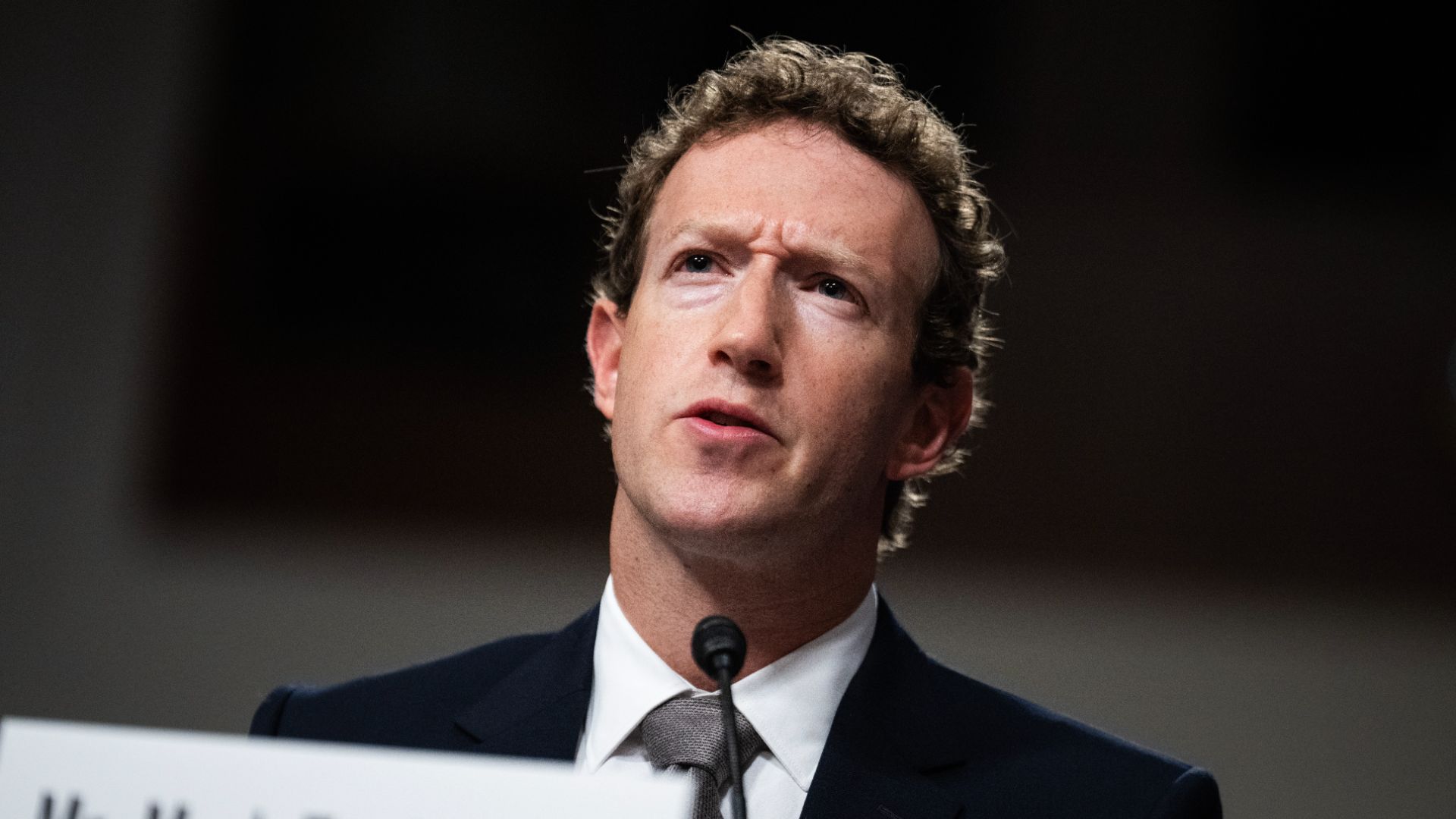
The agreement abruptly ended a major federal trial in Oakland, California, that had reached roughly its second week before the two sides struck a deal. The proceedings before U.S. District Judge Yvonne Gonzalez Rogers had placed Meta's treatment of younger Facebook and Instagram users under intense scrutiny, with states arguing that the company employed behavioral techniques to encourage compulsive use. Prosecutors pointed to elements including infinite scrolling, notifications and visible «like» counts as examples of features they alleged were engineered to repeatedly draw young people back to the platforms. The states also accused Meta of violating the Children's Online Privacy Protection Act by collecting information involving children under 13 without the required parental permission. Reaching a settlement also meant the trial ended before expected testimony from Meta CEO Mark Zuckerberg, whose appearance had been anticipated as one of the proceeding's most closely watched moments.
$12 billion
While the settlement is being widely described as worth roughly $17 billion, that figure represents the potential ceiling rather than an immediate guaranteed payment. Meta is initially expected to pay approximately $12 billion under the agreement, with additional amounts potentially pushing the final cost into the $16.68 billion-to-$17.1 billion range. That escalation depends partly on whether other defendants in the broader litigation — including TikTok, YouTube and Snap — reach their own agreements with the states involving comparable financial penalties and changes to their platforms. Even the maximum Meta payment would remain dramatically below the $1.4 trillion theoretical exposure outlined before trial. That extraordinary figure resulted from applying maximum statutory penalties on a per-violation basis across potentially millions of young users and alleged violations. The states had also previously identified approximately $200 billion as a more realistic potential penalty, illustrating the enormous financial stakes Meta faced before choosing to settle.

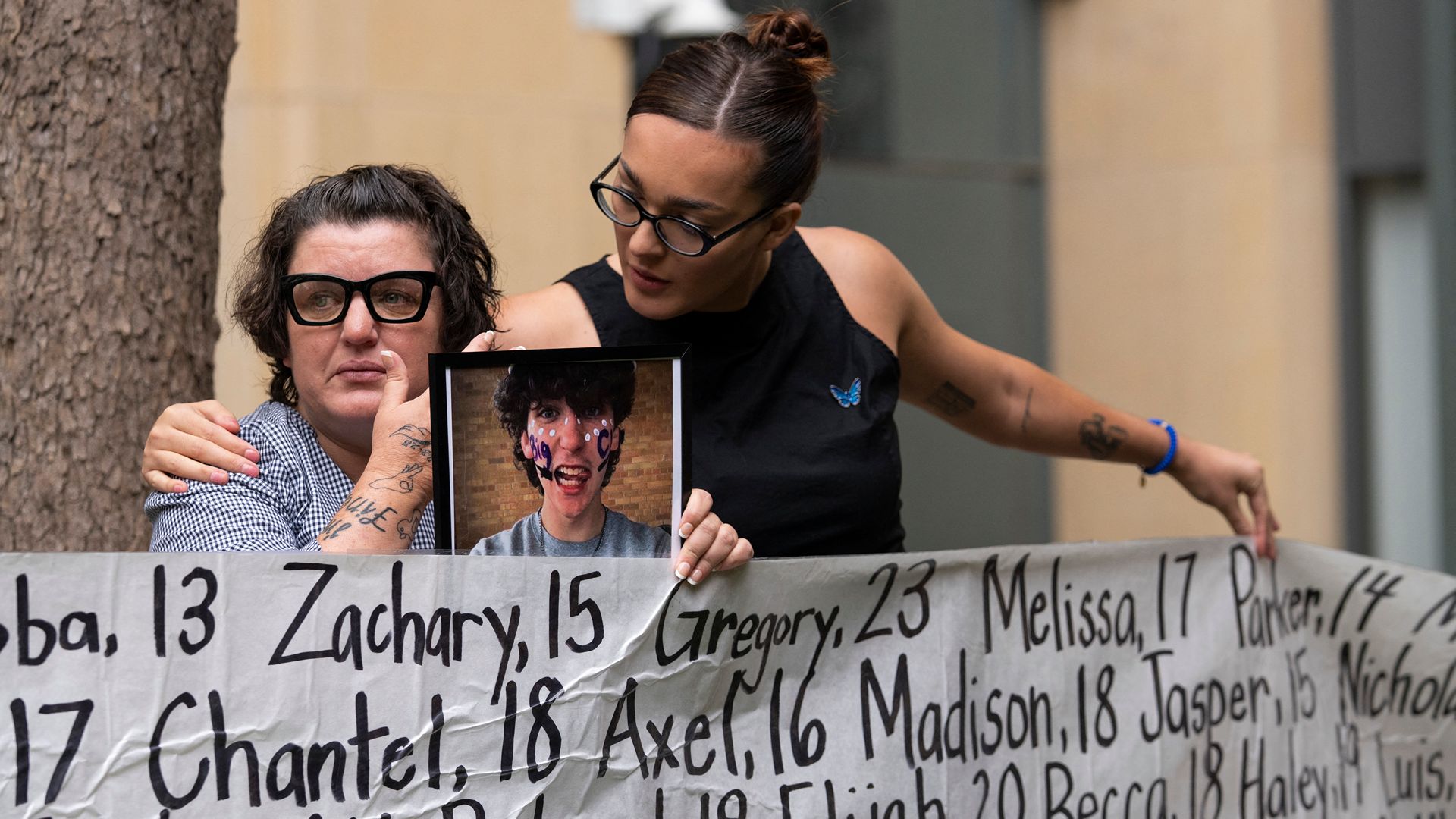
The allegations at the center of the case went beyond concerns about excessive screen time, with the states portraying Meta's business model as one that profited from keeping vulnerable young users continuously engaged. Attorneys general alleged that Facebook and Instagram used behavioral design techniques to exploit teenage psychology while Meta possessed internal information about potential harms associated with its platforms. Among the evidence highlighted during the litigation were internal documents that reportedly placed a financial value of approximately $270 on an individual 13-year-old user. The states argued that this demonstrated the commercial importance of teenagers to Meta and supported their broader claim that engagement was prioritized despite concerns about young users' well-being. Meta strongly disputed that interpretation, maintaining throughout the proceedings that it did not intentionally create addictive products and challenging the underlying characterization of «social media addiction» as a recognized psychiatric condition.
The settlement also extends beyond financial compensation, requiring legally binding changes to how Meta operates Facebook and Instagram for minors in the United States. Those requirements could prove especially significant because Meta is the first major technology company to reach an agreement within the broader wave of thousands of lawsuits accusing social media platforms of contributing to harmful or compulsive behavior among children. More than 3,000 cases have been consolidated as part of the wider litigation, placing similar scrutiny on other major platforms. The agreement could therefore become an important reference point as Alphabet's YouTube, ByteDance's TikTok and Snap continue confronting related claims. Attorneys general have portrayed Meta's settlement as a potential industry precedent, increasing pressure on other defendants not only to negotiate financial agreements but also to accept changes to products used by minors. How those companies respond could ultimately influence whether Meta's total payout climbs toward the roughly $17 billion maximum.
Meta Denies Wrongdoing
Despite accepting those financial obligations and product changes, Meta explicitly retained its ability to deny wrongdoing under the settlement. The company has consistently rejected allegations that Facebook and Instagram were intentionally engineered to addict children, while defending the work of its safety teams and research programs aimed at improving teenagers' experiences online. Before reaching the agreement, Meta also criticized the enormous penalties sought by the states, describing their approach as an effort to secure an «outlandish payout» and arguing that issues such as age verification require broader standards across the technology industry rather than punishment directed at individual companies. Meta had additionally expressed frustration that officials pursued aggressive litigation instead of «working productively with companies across the industry to create clear, age-appropriate standards» for apps used by teenagers. The settlement therefore represents an extraordinary financial compromise without a corresponding admission that the states' central allegations were true.
Created by humans, assisted by AI.
 Disney sues FCC over ABC broadcasts, seeks restraining order against alleged retaliation from the Trump administration
 The US demands Canada refused to accept in the failed trade deal