

/https%3A%2F%2Fcdn-tor.buminteractif.com%2F2026%2F08%2F24150152%2Ftrump-canada-gett-y4534dfgdfg.jpg)
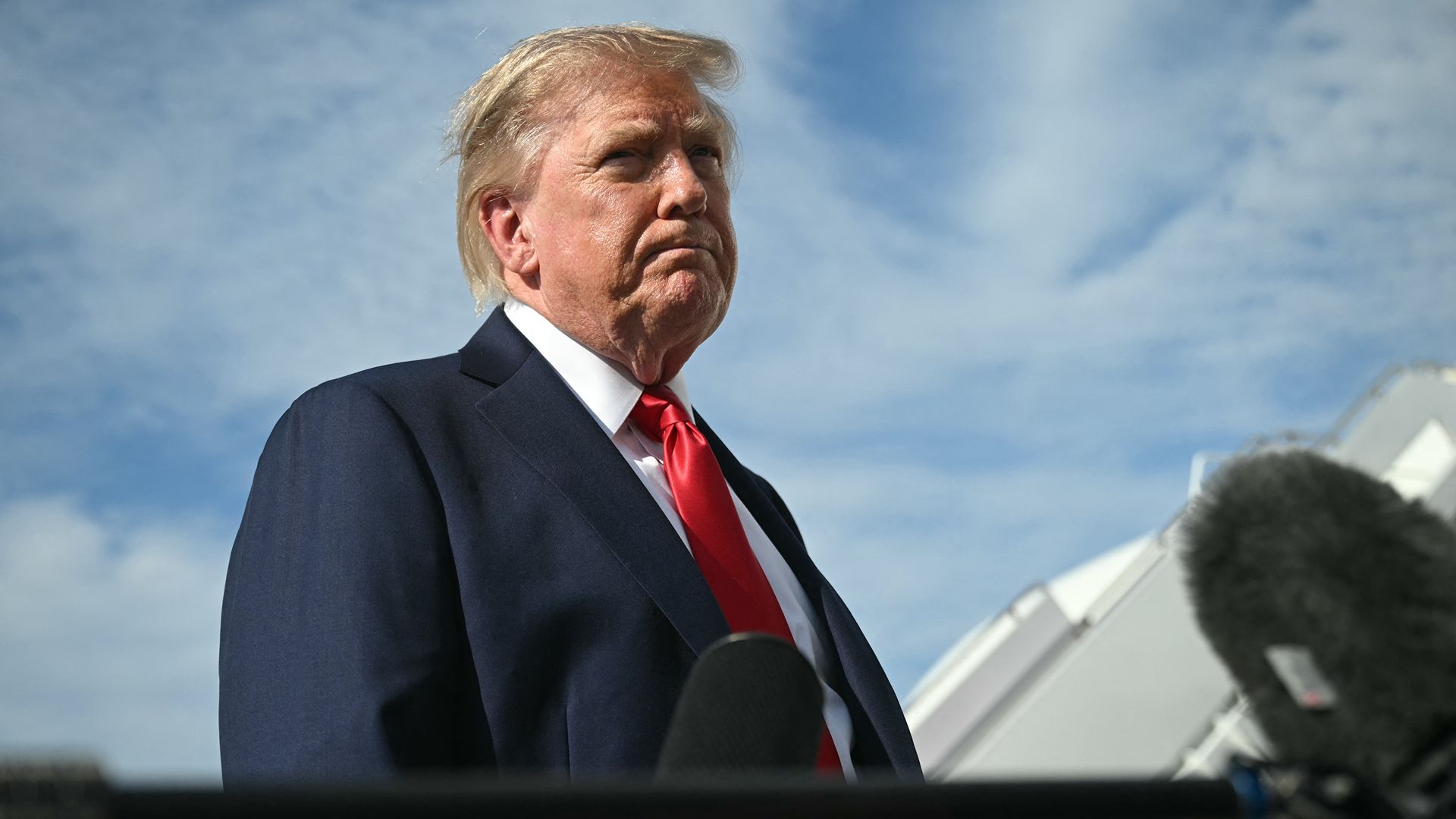
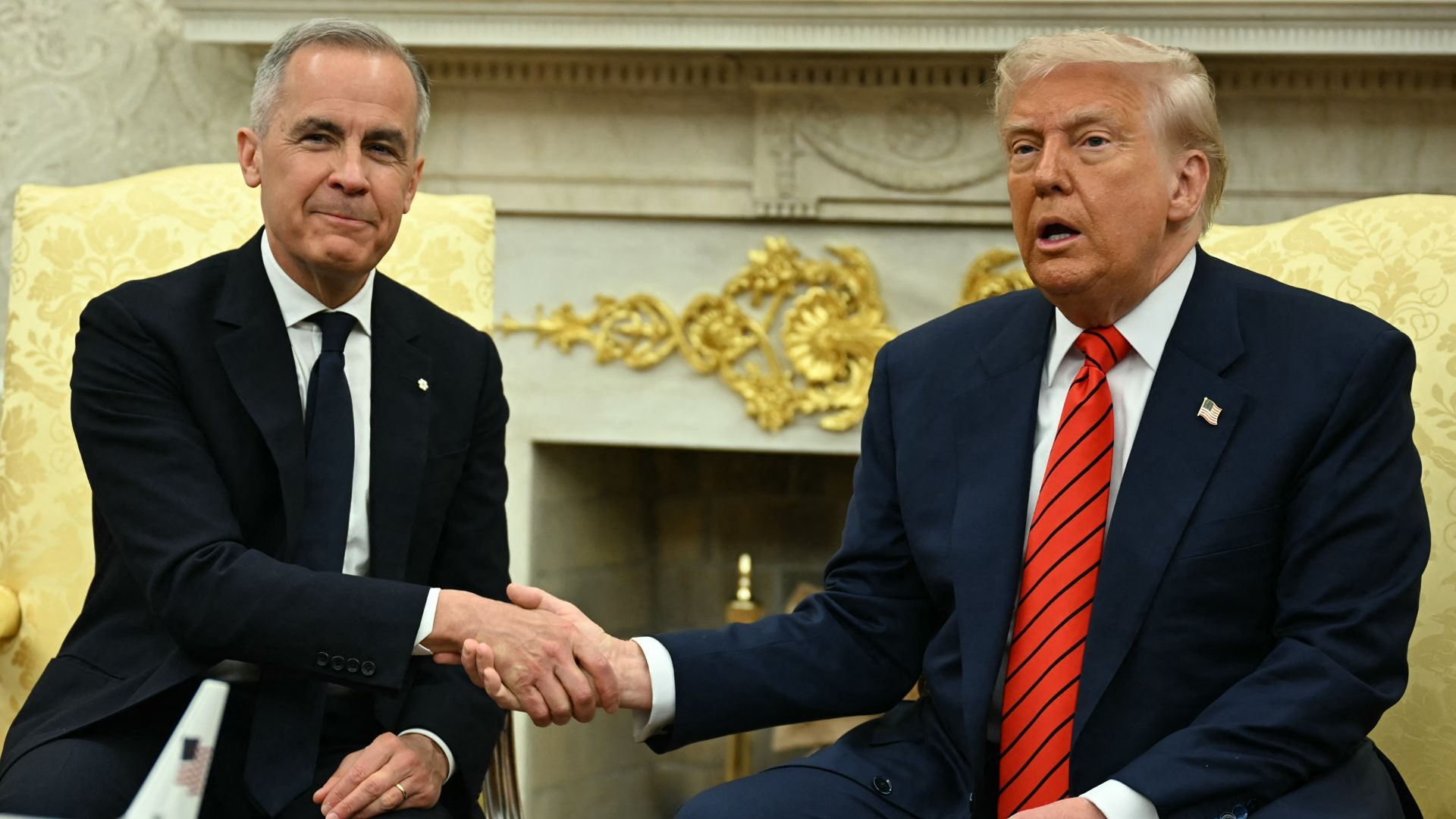
Donald Trump launched an angry new attack against Canada on Truth Social after intensive trade negotiations between Washington and Ottawa collapsed over the weekend, with the Canadian government walking away from terms it described as «uneconomic, unfair» and raising questions about whether any agreement with the United States could provide lasting certainty. The breakdown came after more than a year of negotiations and a final round of talks that had appeared to be moving toward a possible agreement before deteriorating near the deadline. Canada ultimately ordered its negotiators back to Ottawa, arguing that Washington had changed the economic calculation of the proposed deal. Trump responded by escalating the confrontation dramatically, announcing that beginning January 1, 2027, tariffs on Canadian cars, trucks, automotive parts and steel would rise to 50%, while accusing Canada of taking advantage of the United States for years.
Trump opened his lengthy Truth Social message with a sweeping accusation against the United States' northern neighbor, writing, «Canada has been ripping off the United States of America for years.» He quickly focused on agriculture, adding, «Their ridiculously high tariffs on our Farmers and farm products has made life impossible for these great American Patriots, and has long created a 60 Billion Dollar Deficit between our two Countries. Not sustainable, and NOT ANYMORE!» The president then unveiled his latest tariff threat: «On January First, 2027, Tariffs on all Cars, Trucks, both large and small, Automotive Parts, and Steel, will be increased to 50%.» Trump offered companies an alternative by moving production south of the border, declaring, «Build in the U.S. and there are ZERO TARIFFS.» His message represents another significant escalation in a trade confrontation that has increasingly targeted some of the most deeply integrated industries in the two economies.
«The new U.S. tariffs are designed to hurt and divide us. They're a miscalculation. They're a miscalculation because Canadians will always take care of each other.»
-Prime Minister of Canada, Mark Carney
Trump then broadened his attack well beyond individual industries, portraying Canada itself as an exceptionally difficult trading partner and again framing the country's economic relationship with Washington in terms of dependence. «Canada will be treated like a State no longer!» he wrote, before adding, «On Trade, and in other ways, also, they are among the worst Nations in the World to deal with.» Trump continued: «They feel entitled, and yet, WE DON'T NEED CANADA, THEY NEED US!» He concluded his argument by claiming, «They do 95% of their business with the U.S., with us, the exact opposite!» The rhetoric contrasted sharply with Ottawa's description of the negotiations. Canada maintains that the two economies remain deeply interconnected, noting that it is the largest customer for U.S. cars and steel products, the largest export customer for 26 states, and among the three largest customers for 45 states. The Canadian government also says Americans sold nearly $600 billion in goods and services to Canada last year.
The latest eruption followed the collapse of months of intensive negotiations that Canada said had initially produced meaningful progress before Washington introduced new demands near the end of the process. Mark Carney explained the decision to abandon the negotiations by saying, «In recent days, the United States proposed new terms that were uneconomic, unfair, and undermined the net benefits for Canada, and called into question the reliability of any deal.» Ottawa said it had been prepared to make significant concessions, including encouraging provinces to return American alcohol to store shelves and taking administrative measures involving supply management, while seeking substantially lower U.S. tariffs on Canadian steel, aluminum and automobiles. But Canada drew firm lines around its sovereignty, key industries, French-language protections and cultural policies. Carney ultimately ordered Canadian negotiators home, summarizing Ottawa's assessment of Washington's final proposal bluntly: «In short, they asked too much and offered too little.»
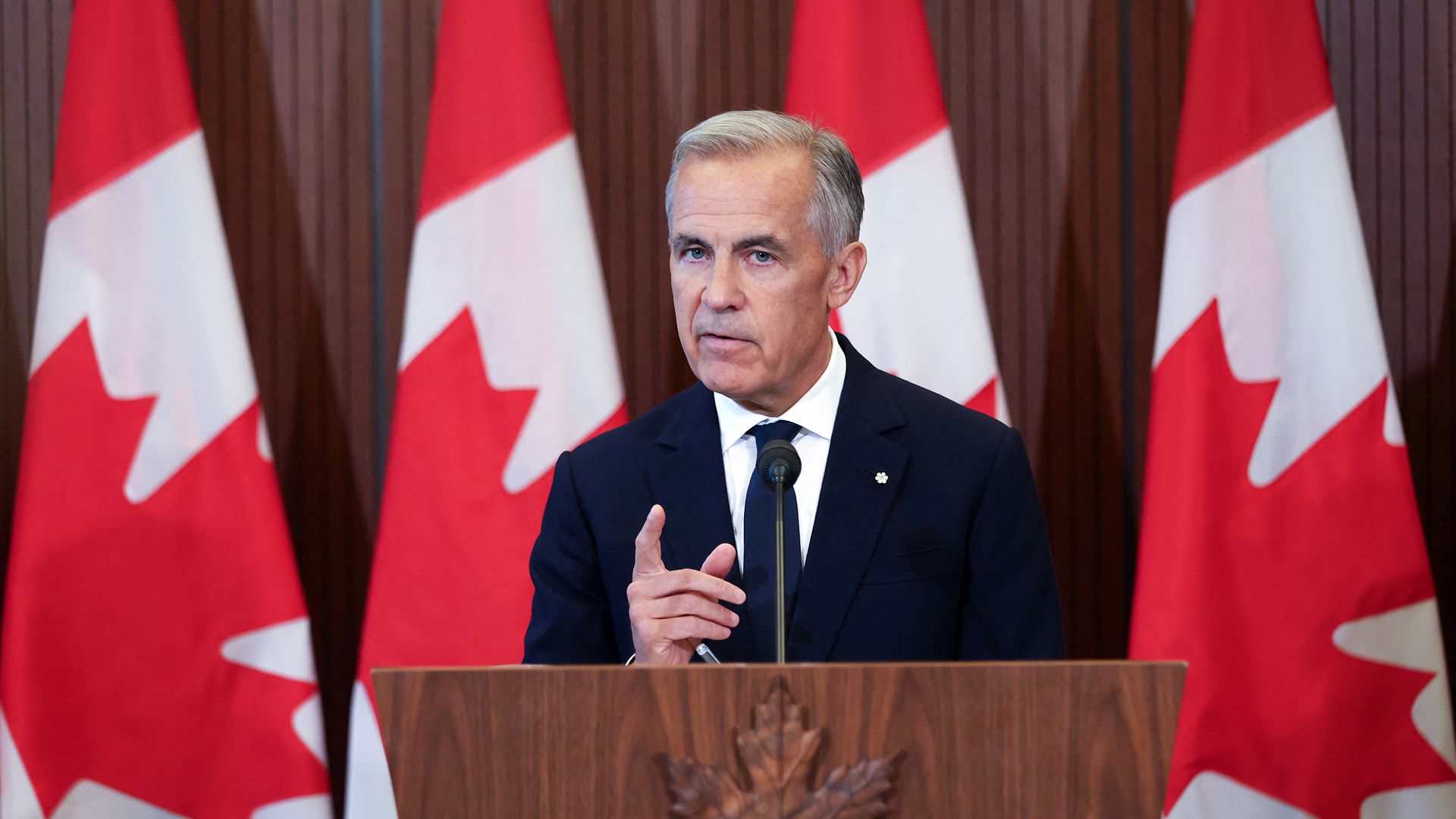
With negotiations suspended, Canada is now preparing to answer Washington's tariffs with another round of its own. The federal government announced that it will match the new American measures dollar for dollar, with retaliation concentrated on U.S. steel, dairy products, appliances, agricultural equipment, pulp and paper, and electronics. The measures are scheduled to take effect on the Tuesday after Labour Day, opening another potentially costly phase of the trade war. Ottawa acknowledged that retaliation could increase prices and reduce consumer choice in Canada, but argued that responding is necessary to defend Canadian workers, businesses and industries against the mounting pressure from Washington. Carney also rejected the idea that the latest American measures would weaken Canadian unity, declaring, «The new U.S. tariffs are designed to hurt and divide us. They're a miscalculation. They're a miscalculation because Canadians will always take care of each other.»
«They feel entitled, and yet, WE DON'T NEED CANADA, THEY NEED US!»
-U.S. President, Donald Trump on Truth Social
The breakdown leaves one of the world's largest and most integrated trading relationships facing another period of uncertainty, with neither government showing signs of retreating from its core position. Trump has increasingly argued that Canada depends far more heavily on access to the American market than the United States depends on Canada, while Ottawa is accelerating efforts to reduce that vulnerability by expanding trade relationships abroad and strengthening domestic industries. Carney's government says Canada has signed more than 20 trade and security agreements across five continents over the past year and intends to continue diversifying away from its traditional dependence on the U.S. market. Ottawa has framed that strategy as a long-term economic shift rather than simply retaliation against Trump. With the latest negotiations abandoned and another round of tariffs approaching, the dispute has moved beyond bargaining over individual products and increasingly become a broader confrontation over the future of the Canada-U.S. economic relationship.
Created by humans, assisted by AI.
 Disney sues FCC over ABC broadcasts, seeks restraining order against alleged retaliation from the Trump administration
 Walmart receives nearly $3 billion in largest reported tariff refund